As the saying goes: "The lotus is a treasure from top to bottom, and autumn lotus root is the most nourishing for people." After the Beginning of Autumn, fresh lotus root becomes a common dish on the dining table. Nutrition experts have summarized the "7 major health benefits of eating lotus root in autumn."
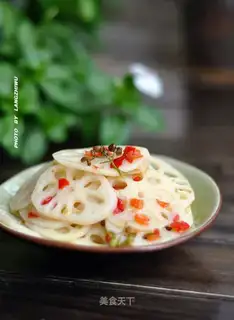
Sautéed Spicy Lotus Root Slices
1. Lowers blood sugar, lipids, and benefits the intestines. Lotus root is rich in dietary fiber but low in calories, so it can help control weight, lower blood sugar and cholesterol levels, promote intestinal peristalsis, and prevent constipation and hemorrhoids. Fresh lotus root and ginger juice can also treat intestinal inflammation.
2. Anti-aging, anti-cancer, and vitamin C supplement. The sugar content of lotus root is not very high, but it contains a high amount of vitamin C, which is very beneficial for patients with liver disease, constipation, and diabetes. Lotus root is also rich in polyphenols, which can improve immunity, slow down the aging process, and prevent cancer.
3. Relieves pain, reduces stress, and protects the heart. Lotus root is rich in B vitamins (especially vitamin B6). Supplementing with B vitamins helps reduce irritability, relieve headaches, and alleviate stress, thereby improving mood and reducing the risk of heart disease.
4. Nourishes blood, benefits the mind, and aids digestion. Fresh lotus root is rich in trace elements such as copper, iron, potassium, zinc, magnesium, and manganese. Among tuber foods, lotus root has a relatively high iron content, making it most suitable for people with iron-deficiency anemia. The various trace elements in lotus root are beneficial for the production of red blood cells and for maintaining the normal function of muscles and nerves. In addition, these nutrients also help secrete digestive enzymes and improve digestion.
5. Stabilizes heart rate and lowers blood pressure. The sodium-to-potassium ratio in lotus root is 1:5. Low sodium and high potassium are beneficial for regulating blood pressure and heart rate, and are good for heart and overall health.
6. Supplements vitamin K to prevent bleeding. Lotus root is rich in vitamin K, which has a hemostatic effect. Drinking fresh lotus root juice can help prevent bleeding.
7. Expectorant, antitussive, and prevents asthma. Fresh lotus root juice can also be used to treat respiratory diseases such as cough, asthma, and pneumonia. Hot lotus root tea has the effect of relieving coughs and reducing phlegm.
There is a folk saying, "A woman should not go three days without lotus root, and a man should not go three days without ginger," which suggests that eating lotus root is beneficial for women's health, while eating ginger is beneficial for men's health. Is there any truth to this saying? This saying has some truth to it. Traditional Chinese Medicine (TCM) believes that regularly eating lotus root is greatly beneficial for improving a woman's complexion. According to TCM theory, ginger is a yang-tonifying food, especially suitable for men.
However, this saying does not express the full meaning. Because whether it's a man or a woman, regularly eating ginger and lotus root is beneficial for health. Lotus root is neutral in nature and sweet in taste, and can clear heat, benefit the lungs, increase appetite, and whet the appetite and strengthen the middle jiao. Lotus root also contains a large amount of tannic acid, which has a vasoconstrictive effect and can be used to cool the blood and stop bleeding. Raw lotus root can clear heat and relieve vexation, and is suitable for patients with "pimples" caused by blood heat. Cooked lotus root can nourish the stomach, nourish yin, strengthen the spleen, and benefit qi and blood, and is suitable for people with weak spleen and stomach, and insufficient qi and blood, who show symptoms of dry skin and a sallow complexion. Ginger has the effects of warming yang, dispelling cold, relieving heat, antibacterial, and anti-inflammatory, making it an excellent seasoning for meals. At the same time, the volatile oil in ginger can accelerate blood circulation, excite the nerves, and warm the whole body. If you catch a cold due to wind-cold, drinking some ginger soup can also alleviate cold symptoms.
Finally, whether it's lotus root or ginger, you should eat them according to your specific condition. Lotus root clears heat and cools the blood, nourishes blood, and whets the appetite, and is especially suitable for patients with high fever, poor appetite, and iron-deficiency anemia. However, fresh raw lotus root is relatively difficult to digest, so people with a weak spleen and cold stomach, or who are prone to diarrhea, should eat less or eat cooked lotus root instead. As for ginger, people with symptoms such as fever, dizziness, tinnitus, and a dry throat and sore throat should eat less to avoid worsening the condition. In addition, people with constipation should eat less ginger, because constipation is mostly due to intestinal heat, and eating ginger at this time will also aggravate the symptoms.
 Pizza pretzels