Napa cabbage is loved by everyone. It's a common vegetable, and a favorite among the elderly. Napa cabbage is delicious and suitable for both vegetarian and non-vegetarian diets. The great master of traditional Chinese painting, Mr. Qi Baishi, once dedicated a painting to napa cabbage, calling it the "king of vegetables" and praising it as "a hundred vegetables cannot compare to one cabbage." The elderly often say: "Eating napa cabbage for half a year will keep the doctor idle." This shows that eating napa cabbage regularly helps to prevent illness and prolong life. Napa cabbage contains minerals, vitamins, protein, and dietary fiber. In terms of medicinal properties, napa cabbage has seven major benefits: nourishing the stomach, benefiting the intestines, sobering up, promoting bowel movements, lowering blood lipids, clearing heat, and preventing cancer.
Stir-fried Napa Cabbage
Millet is the best nourishment for the elderly. They love millet and consider it the finest tonic. Millet is the grain from husked foxtail millet. It has long been hailed as "the king of the five grains and cereals." The elderly who are frail or ill often use millet to nourish their bodies. Traditional Chinese medicine believes that millet benefits the five vital organs, strengthens the stomach and intestines, replenishes body fluids, and builds muscles and bones. A famous physician from the Qing Dynasty said: "Millet is the most nourishing. The congee oil from simmering millet is better than ginseng soup." This shows that there is good reason why long-lived people like millet. The four "secrets" to longevity have been introduced. What's surprising is that these "dietary delicacies" are very common, yet few people believe that eating these common foods can lead to a long life, and it's also difficult for many to stick to them. However, only by believing can one achieve it. If you are looking for a secret to longevity, you might as well give it a try.
Long-lived elderly people love to eat congee. Judging from their eating habits, none of them dislike congee. The famous economist Ma Yinchu and his wife Zhang Guijun were both centenarians, and they especially loved congee. Every morning, they would add 50 grams of oatmeal to 250 grams of boiling water, let it steep for 2 minutes, and it was ready. They did this every day without fail. Mr. Su Juxian, a centenarian from Shanghai, ate rice congee for all three meals. In the morning and evening, he ate thin congee, and at noon, he ate thicker congee. Each portion was a small, shallow bowl, and it had become a habit. They say: "Eating congee makes the whole body feel comfortable and is good for health." Physicians and health experts throughout history have highly recommended congee for the elderly. "Sui Xi Ju Yin Shi" (Dietary Habits for a Peaceful Life) says: "Congee is the number one nourishing food in the world." Congee is easy to digest and absorb, it harmonizes the stomach, tonifies the spleen, clears the lungs, and promotes bowel movements. The health expert of the Qing Dynasty, Cao Cisheng, said: "In old age, one can eat congee all day, not worrying about portions, and still maintain a strong body and enjoy a long life." He compiled a collection of over 100 congee recipes for the elderly to choose from, which were very popular.
Fish: People concerned about heart health should eat more fish. Eating three fish dishes a week or 30 grams of fish daily can reduce the risk of stroke by 50%. Medical research has proven that compared to peoples who rarely eat fish, Japanese and Eskimo people, who frequently eat fish, have a much lower incidence of cardiovascular diseases.
Strawberries: Eating plenty of strawberries is a great way to supplement vitamin C. Strawberries are also rich in iron, which can improve the body's immune function. The pigments and aromatic oils in strawberries can form special enzymes that prevent cancer.
Carrots: Carrots are rich in beta-carotene, which not only protects genetic structure and prevents cancer but also improves skin and enhances vision.
Bananas: Bananas are the fruit with the highest carbohydrate content and also contain a variety of trace elements. They can prevent sugar from rapidly entering the bloodstream. They are rich in magnesium; eating one banana can satisfy one-sixth of the body's daily magnesium requirement.
Tofu: The elderly generally love tofu. They say: "Fish causes internal heat, meat causes phlegm, but cabbage and tofu ensure peace and safety." "Sui Xi Ju Yin Pu Pu" (A Guide to Diet for a Peaceful Life) says: "It can be made everywhere, affordable for both the rich and the poor. It is truly the great master of vegetarian food. It can also be used in non-vegetarian dishes, and those frozen in winter are especially delicious." The main components of tofu are protein and isoflavones. Tofu has the effects of replenishing qi, tonifying deficiency, lowering blood lead concentration, protecting the liver, and promoting metabolism. Regular consumption of tofu is beneficial for health and beauty and intellectual development. For the elderly, eating tofu regularly has a good therapeutic effect on conditions such as vascular sclerosis and osteoporosis.
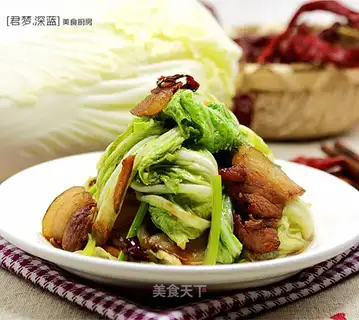 Big cabbage