Many people's first reaction after getting sick is to immediately take medicine or see a doctor. In fact, many "medicines" are hidden right in the kitchen. The American magazine "Women's Health" has summarized some foods that nutrition experts recommend eating when you're sick to help alleviate your symptoms.
Brown Sugar Ginger Soup
1. Drink a bowl of hot soup when you have a cold. George Fare, a registered dietitian in the U.S., points out that when you have a cold, a large bowl of soup containing ginger, garlic, chicken, and carrots is the best thing you can have. Hot soup helps clear a stuffy nose, and ginger and garlic can boost the immune system and relieve stomach discomfort. To keep the immune system functioning properly, it's important to replenish fluids, and the protein in chicken and the vitamin A in carrots are also essential. A study published in the *Journal of the American College of Therapeutics* found that chicken soup contains a compound (carnosine) that helps the human immune system fight off the early stages of the flu.
2. For headaches, drink more water and eat some almonds. Pamela Bede, a registered sports nutritionist in the U.S., points out that headaches are often caused by dehydration. The first-aid measure is to drink more water. If that doesn't work, you can drink some potassium-containing electrolyte drinks. For tension headaches, you can eat a handful of almonds. Almonds contain salicin, which acts as a "painkiller," a component also found in over-the-counter painkillers.
3. For nausea, drink green tea with ginger. Debra Nessel, a registered dietitian in California, suggests that when you feel nauseous, adding chopped ginger to green tea can help relieve the symptoms. A literature review conducted by researchers at the University of Exeter in the UK found that ginger is very effective for nausea and vomiting, whether caused by pregnancy, motion sickness, or chemotherapy. In addition, eating starchy foods can also help soothe an upset stomach, such as oatmeal.
4. For allergies, eat fatty fish. Bede recommends that allergy patients eat fewer processed foods (like bread and cakes) because the additives in these foods can further trigger an immune response. The best choice is to eat whole grains. In the long run, eating fatty fish rich in healthy fats (like salmon and tuna) can help reduce inflammation and sneezing caused by dust mites. To better reduce inflammation, patients can also have blueberries or blackberries for dessert. The polyphenols in berries help reduce the sensitivity of the immune system and can alleviate symptoms such as allergic eczema, food allergies, and asthma.
5. For premenstrual syndrome (PMS), eat more fresh fruit. Fare recommends that female patients eat more fresh fruit to alleviate the discomfort of PMS. The natural sugars in fruit have a low glycemic index, and the potassium they contain also helps regulate fluid balance.
6. For sports injuries, supplement with protein. Fare recommends that patients with sports injuries supplement with protein appropriately. A study published in the *Journal of Sports Medicine* in 2015 found that consuming protein helps recover from sports injuries and prevents muscle loss. After an injury, you can eat a lean steak and ensure you get plenty of rest. The whey protein in shakes can also help speed up the recovery process. The standard is to supplement with 2.5 grams of protein per kilogram of body weight per day.
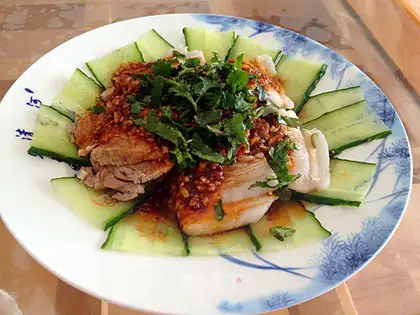 Garlic white meat