Mapo Tofu, a dish that most people probably love. Delicious, spicy, and numbing, it's also nutritious. When paired with the following four foods, tofu becomes even more nutritious, healthier, and better absorbed.
Kung Pao Tofu
I. Four Great Partners for Tofu
1. Pair it with meat for better protein absorption
Soybeans are known as "plant meat" and are the best source of protein in the plant kingdom. Tofu, made from soybeans, is also rich in protein. However, the amino acid content and ratio in tofu protein are not perfectly ideal for human digestion and absorption.
If you consume tofu with other foods that are very high-quality protein sources, they can complement each other, allowing the body to digest and absorb the tofu's protein more effectively. These high-quality protein sources are none other than meat and eggs.
Therefore, dishes like Tofu with Minced Meat and Century Egg Tofu Salad allow for better absorption of protein.
2. Add egg yolk and blood tofu for more calcium
Just as you need vitamin D when taking calcium supplements, you need vitamin D-rich foods to boost calcium absorption from tofu. Vitamin D plays a crucial role in the absorption and utilization of calcium.
Although tofu is very rich in calcium—northern tofu contains more calcium than the same amount of milk—it's more effective when consumed with foods rich in vitamin D.
Egg yolks are rich in vitamin D, making the delicious and silky Egg Yolk Tofu an excellent dish for calcium supplementation. Animal organs, such as the liver and blood, are also high in vitamin D, so making "Red and White Tofu" by combining white tofu with blood tofu is also an ideal choice.
In addition, animal organs like chicken gizzards and pork liver are also great for enhancing the absorption of calcium from tofu.
3. Add kelp and seaweed for more iodine
Tofu not only provides nutrition but also has a therapeutic effect in preventing arteriosclerosis. This is because tofu contains a substance called saponin, which prevents the formation of oxidized lipids that cause arteriosclerosis.
However, saponin can cause a problem: it leads to abnormal iodine excretion in the body, and long-term consumption may lead to iodine deficiency. Therefore, adding iodine-rich seafood like kelp and seaweed when cooking tofu is a perfect solution.
4. Add green vegetables and black fungus for better disease prevention
Although tofu is nutritious, it lacks dietary fiber, and eating it alone might cause constipation. Green vegetables and black fungus are rich in dietary fiber, which perfectly compensates for this deficiency in tofu.
Furthermore, black fungus and green vegetables contain many antioxidant components that boost immunity and prevent diseases. When paired with tofu, their disease-fighting effects are enhanced.
It's important to note that green leafy vegetables like spinach and amaranth have high oxalic acid content. They should be blanched first before being cooked with tofu to avoid affecting the absorption of calcium in the tofu.
II. Which Tofu is the Most Nutritious
Different types of tofu have different nutritional values. Traditional Chinese tofu is made by soaking soybeans in water until they swell and soften, then grinding them into soy milk. The soy milk is then "curdled" with a brine or gypsum to cause the dispersed protein particles to coagulate. The main types of tofu on the market are northern tofu, southern tofu, lactone tofu, and "fake tofu."
1. Northern Tofu. Also known as old tofu, it is generally curdled with brine (magnesium chloride). It is characterized by its firm texture, strong resilience, low water content, and a somewhat "coarse" mouthfeel with a slightly sweet and bitter taste. It has the highest protein content and is suitable for frying, stir-frying, and stuffing. Despite its slight bitterness, northern tofu has higher levels of magnesium and calcium, which can help lower blood pressure and vascular tension, prevent cardiovascular diseases, and strengthen bones and teeth.
2. Southern Tofu. Also known as soft tofu or tender tofu, it is generally curdled with gypsum (calcium sulfate). It has a delicate texture, is very elastic, has a high water content, and tastes sweet and fresh. It contains over 5% protein and is suitable for methods like mixing, stir-frying, stewing, poaching, braising, and making soups.
3. Lactone Tofu. It abandons the traditional brine and gypsum and uses glucono-delta-lactone as a coagulant, adding substances like trehalose and plant gums to retain water. Although its texture is fine and its mouthfeel is smooth and tender, it is not as nutritious as traditional tofu. This is because, first, the soybean content is lower, so it doesn't taste like tofu. Second, the calcium and magnesium in tofu mainly come from gypsum and brine, but the glucono-delta-lactone coagulant contains neither calcium nor magnesium, reducing its nutritional value.
4. "Fake Tofu." There are many "fancy tofu" products on the market now: Japanese tofu, almond tofu, milk tofu, egg tofu, etc. Although they all share the name "tofu," they are not related to tofu at all. They all have a moist, white, and tender appearance with a smooth texture, but their ingredients don't include soybeans at all. For example, Japanese tofu is actually made from a gelatinous solution of eggs that has been set.
Tofu can be prepared in many ways, such as steaming, frying, stir-frying, and boiling. Choosing a preparation method that suits your taste and eating tofu in moderation is a great way to supplement protein. Pairing it with these "golden partners" makes it even better for absorption.
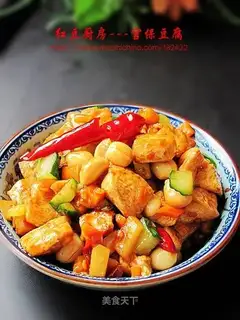 Kung Pao tofu