Long-term computer use inevitably exposes you to some radiation. A lack of foods containing vitamins A, E, and B vitamins can reduce the body's tolerance to radiation, which is detrimental to health. Kelp is considered the top anti-radiation food.
It is widely recognized internationally that drinking tea, eating more green vegetables, and consuming black fungus can help combat radiation and reduce the harm from computer radiation. In fact, kelp is also a highly recommended food for fighting radiation.
Kelp with Soybeans
The extract from kelp, fucoidan, can mitigate the damage to the body's immune system caused by isotopes and radiation, and it has anti-radiation properties by inhibiting the apoptosis of immune cells. The gelatinous substance in kelp helps promote the excretion of radioactive substances from the body along with feces, thereby reducing the accumulation of radioactive substances in the human body and lowering the incidence of radiation-related diseases. Furthermore, kelp is renowned as the "longevity vegetable" and the "iodine champion." It contains a special amino acid, laminine, which has the effect of lowering blood pressure.
Kelp should be consumed in moderation, as excessive iodine intake can also affect health. People with hyperthyroidism should not eat kelp. Pregnant and breastfeeding women should not consume large amounts of kelp. Kelp is considered "cold" in nature, so individuals with a weak spleen and stomach, or who experience abdominal pain and diarrhea, should use it with caution. After washing, kelp should be soaked in water for 6 hours before cooking. This is because kelp may be contaminated with arsenic in seawater, and soaking helps reduce arsenic intake.
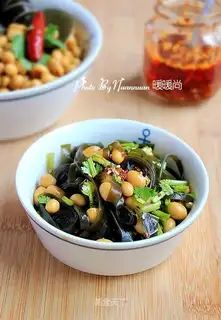 Seaweed beans