Meats such as dog, lamb, beef, and venison are better for cold resistance. Eating these meats can speed up metabolism and enhance endocrine function in individuals with yang deficiency, thereby achieving a warming effect. Root vegetables, such as lotus root, carrots, lily bulbs, sweet potatoes, and Chinese cabbage, are rich in inorganic salts and can be mixed with other foods.
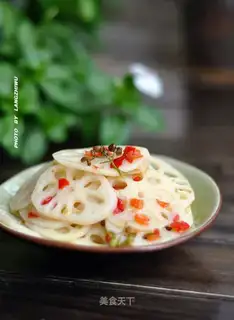
Sautéed Spicy Lotus Root
In addition, you can eat more iron-rich foods. Researchers at Pennsylvania State University in the United States have found that an iron deficiency in the blood also makes people more sensitive to cold. People with anemia have a body temperature 0.7°C lower and 13% less heat production than those with normal hemoglobin. After increasing iron intake, their cold tolerance is significantly enhanced. Therefore, people who are sensitive to cold can consciously increase their intake of iron-rich foods, such as animal liver, lean meat, spinach, and egg yolks. This is especially important for vegetarians, who should pay more attention to iron supplementation during this season.
Iodine-rich foods such as kelp, seaweed, jellyfish, clams, Chinese cabbage, spinach, and corn can promote the secretion of human thyroid hormones. Thyroid hormones have a thermogenic effect; they can accelerate the oxidation process in most tissue cells in the body, increase heat production, raise the basal metabolic rate, enhance skin blood circulation, and help resist cold. Furthermore, eating spicy foods can also promote blood circulation and increase body temperature.
 Pizza pretzels