Breakfast is the most important meal of the day. So, what should you eat for a healthy breakfast? What are the best foods for breakfast? What foods are suitable for breakfast? Let's find out about the 3 essential foods you shouldn't miss for breakfast.
Recommended Foods for Breakfast
First, starchy foods are a must
Breakfast is the "switch" for your brain, and its energy comes from carbohydrates. Therefore, it's essential to have some starchy foods for breakfast. It's best to choose unrefined whole grains mixed with some nuts and dried fruits. These foods release energy more slowly, extending the time your body is replenished with energy. Examples include purple rice steamed buns, sesame paste rolls, steamed buns, wontons, red bean paste buns, nut bread, toast, and corn porridge.
Shrimp Wontons
Second, protein is essential
Protein, which maintains the body's energy and alertness, is also indispensable. A protein-rich breakfast can provide a sustained release of energy for several hours, making us feel fuller for longer. You can choose foods like eggs, cured beef, ham, pork tenderloin, spicy chicken wings, and soy products like vegetarian chicken.
Finally, breakfast must include some vegetables and fruits
Such as cold dishes, vegetable salads, and fruit salads. This is not only to supplement water-soluble vitamins and fiber but also because fruits and vegetables are alkaline foods containing minerals like calcium, potassium, and magnesium. They can neutralize the acid radicals generated in the body after the oxidation of foods like meat and eggs, helping to maintain a healthy acid-base balance.
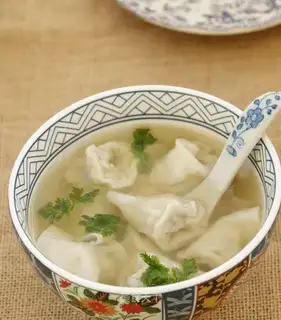 Shrimp