Vegetables are not only rich in vitamins but also contain large amounts of dietary fiber, fruit acids, and inorganic salts, which are essential nutrients for the recovery process of liver disease patients. So, what are the liver-protecting vegetables? Below, the editor recommends 12 liver-protecting vegetables for you…
Garlic:
A plant of the Liliaceae family, it is pungent, warm in nature, and spicy in taste. It is advisable for liver disease patients to consume it cooked. It contains vitamins A, B1, C, etc., and its extracts have antibacterial, antiviral, and blood vessel softening effects.
Water Spinach:
Also known as swamp cabbage, it is sweet and neutral in nature. It contains protein, fat, inorganic salts, niacin, carotene, etc., and has effects of detoxification and clearing heat to cool blood.
Stir-fried Mushrooms with Water Spinach
Shepherd's Purse:
A plant of the Brassicaceae family, it is neutral in nature and sweet in taste. It contains vitamins B and C, carotene, niacin, and inorganic salts. Animal experiments have shown that it can shorten blood clotting time, has a hemostatic effect, and is suitable for patients with chronic liver disease who have symptoms such as epistaxis and gingival bleeding.
Cabbage:
Also known as cabbage, kale, it is neutral in nature and sweet in taste. It is rich in vitamin C, vitamin B1, B2, and also contains carotene and vitamin E. Raw consumption is effective for gastric and duodenal ulcers and pain.
Mushroom:
There are many varieties, mostly artificially cultivated now, including mushroom, agaricus, shiitake, etc., all of which are fungi. It is neutral in nature and sweet in taste, containing polysaccharides, vitamins, protein, fat, and inorganic salts. Experiments have shown that its polysaccharides have immune-regulating and anti-tumor effects, and it is advisable for liver disease patients to consume it frequently.
Mushroom, Tofu, and Potato Stew
Wood Ear Mushroom:
There are black and white varieties, neutral in nature and sweet in taste. It contains fat, protein, and polysaccharides. It can benefit the stomach and nourish blood, and has a nourishing effect.
Seaweed:
It is cold in nature and salty in taste, containing large amounts of iodine, alginic acid, vitamins, protein, and fat. It has the effect of resolving phlegm and dissipating nodules. Research shows that its extracts can better inhibit platelet aggregation and lipid oxidation, and have anti-ulcer effects.
Lily Bulb:
Neutral in nature and sweet in taste, it contains protein, fat, and colchicine. It has the effects of replenishing qi and tonifying the middle, benefiting the lungs and stopping cough, and can soften hardness and calm the mind. Colchicine has anti-hepatic fibrosis and cirrhosis effects. Regular consumption of lily can prevent and treat cirrhosis.
Sautéed Asparagus with Lily Bulbs
Carrot:
Slightly warm in nature, sweet and spicy in taste, it is rich in vitamin A precursor (carotene) and also contains volatile oil. This product is nutritious, strengthens the stomach and aids digestion, and can be eaten raw or cooked. It is particularly effective for improving the vitamin A level in liver disease patients and indirectly preventing the occurrence of cancer.
Tomato:
A plant of the Solanaceae family, it is neutral in nature, sour and slightly sweet in taste. It is rich in protein, fat, inorganic salts, niacin, vitamin C, vitamin B1, B2, and carotene. It has the effects of clearing heat and detoxifying, cooling blood and calming the liver, and can be eaten raw or cooked.
Winter Melon:
Slightly cold in nature and sweet in taste, it contains protein, vitamins, adenine, and niacin. The rind can promote urination and reduce swelling; the seeds can reduce swelling, dissipate masses, and resolve phlegm to stop cough; the flesh can clear heat and quench thirst, and can also detoxify from fish and crab poisoning.
Mixed Vegetable and Winter Melon Stew with Potato Balls
Cucumber:
Cold in nature and sweet in taste, it contains pentose, vitamin B1, B2, niacin, and protein. Its fine fibers promote the excretion of intestinal toxins and lower cholesterol, and the contained malic acid can inhibit the conversion of carbohydrates into fat. It is especially suitable for the prevention and treatment of fatty liver.
You may also like:
Eating these four types of foods often can easily damage the liver
What should the diet of patients with viral hepatitis pay attention to?
Liver-nourishing recipes, 7 red dates are all it takes
5 signals that it's time to nourish your liver
 Powder stickers for mushrooms
 Roasted bowel truffle bread
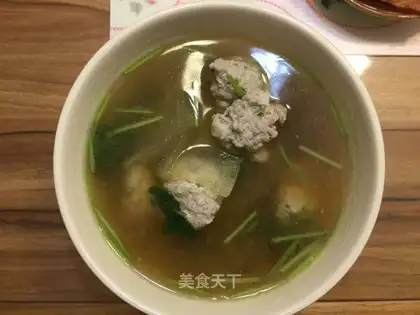 Poongullion soup
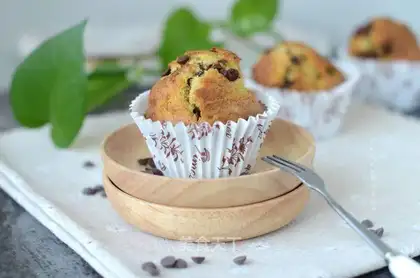 Chocolate bean banana marfin