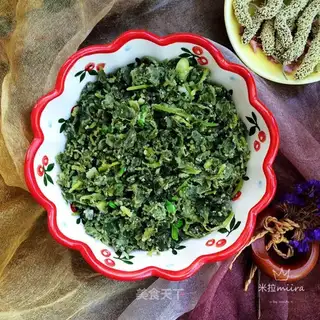
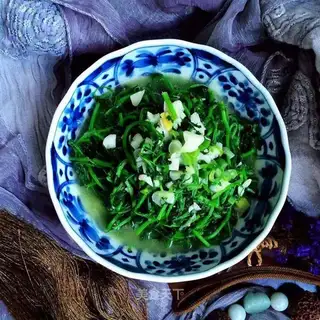
Alfalfa sprouts, the tender young shoots of the Medicago sativa plant, have been cultivated for centuries as both a forage crop for livestock and a nutrient-dense food for humans. These crisp, mildly nutty sprouts have gained widespread popularity in health-conscious diets, celebrated for their impressive nutritional profile and potential health-promoting properties. However, like many raw foods, they come with important considerations for safe consumption. This article explores the nutritional value of alfalfa sprouts, their scientifically supported health benefits, and essential precautions to maximize their safety and efficacy.
I. Nutritional Value of Alfalfa Sprouts
Alfalfa sprouts are a nutritional powerhouse, packed with vitamins, minerals, antioxidants, and bioactive compounds that contribute to overall health. Their nutrient density is particularly remarkable given their low calorie count—just 8 calories per 1-cup (33-gram) serving—making them an ideal addition to weight management diets.
1. Vitamins
Alfalfa sprouts are rich in several essential vitamins, most notably vitamin K, which plays a critical role in blood clotting and bone metabolism. A single cup provides approximately 10% of the daily recommended intake (DRI) for vitamin K. They are also an excellent source of vitamin C, a potent antioxidant that supports immune function, skin health, and collagen synthesis. Additionally, they contain significant amounts of folate (vitamin B9), vital for DNA synthesis and cell division, making them particularly beneficial during pregnancy.
2. Minerals
These sprouts are a good source of manganese, a mineral that acts as a cofactor for enzymes involved in antioxidant defense, metabolism, and bone formation. They also provide smaller but notable amounts of copper, iron, magnesium, and phosphorus, all of which are essential for energy production, oxygen transport, and maintaining electrolyte balance.
3. Antioxidants and Phytochemicals
Alfalfa sprouts are loaded with antioxidants, including flavonoids, phenolic acids, and saponins, which help neutralize harmful free radicals and reduce oxidative stress. A key phytochemical, coumestrol, has been studied for its potential estrogenic and anti-inflammatory effects. The sprouts also contain chlorophyll, the pigment responsible for their vibrant green color, which has been linked to detoxification and wound healing.
4. Protein and Fiber
While low in calories, alfalfa sprouts offer a modest amount of plant-based protein (1.3 grams per cup), including essential amino acids like lysine and tryptophan. They are also high in dietary fiber (1 gram per cup), which supports digestive health by promoting regular bowel movements and feeding beneficial gut bacteria.
II. Health Benefits of Alfalfa Sprouts
The combination of vitamins, minerals, and phytochemicals in alfalfa sprouts contributes to a range of health benefits, backed by both traditional use and emerging scientific research.
1. Supports Bone Health
Alfalfa sprouts are a standout source of vitamin K, which is essential for activating proteins like osteocalcin, a key player in bone mineralization. Studies suggest that adequate vitamin K intake may reduce the risk of fractures and osteoporosis, particularly in postmenopausal women. The magnesium and phosphorus in the sprouts further support bone density by aiding calcium absorption and structural integrity.
2. Boosts Immune Function
The high vitamin C content in alfalfa sprouts enhances immune activity by stimulating the production of white blood cells and antibodies. Vitamin C also acts as an antioxidant, protecting immune cells from damage caused by free radicals. Additionally, the sprouts contain small amounts of zinc, another mineral critical for immune response.
3. Promotes Heart Health
Alfalfa sprouts may support cardiovascular health through multiple mechanisms. Their fiber helps lower LDL (“bad”) cholesterol levels by binding to bile acids in the digestive system, promoting their excretion. The potassium in the sprouts counteracts the effects of sodium, helping to regulate blood pressure. Furthermore, the saponins in alfalfa have been shown to inhibit cholesterol absorption in the gut, while flavonoids reduce inflammation in blood vessels.
4. Aids in Digestion and Weight Management
The fiber in alfalfa sprouts adds bulk to stool, preventing constipation and supporting a healthy gut microbiome. As a low-calorie, high-nutrient food, they are ideal for weight management—providing essential nutrients without excess calories, while promoting satiety due to their fiber and water content (over 90% water by weight).
5. Anti-Inflammatory and Anticancer Potential
Alfalfa sprouts contain several compounds with anti-inflammatory properties, including coumestrol and saponins. Chronic inflammation is linked to conditions like arthritis, diabetes, and heart disease, so reducing inflammation may lower disease risk. Some studies suggest that the chlorophyll and phytoestrogens in alfalfa may inhibit the growth of cancer cells, though more human research is needed to confirm these effects.
6. Regulates Blood Sugar Levels
The fiber and magnesium in alfalfa sprouts may help stabilize blood sugar levels by slowing carbohydrate absorption and improving insulin sensitivity. This makes them a beneficial food for individuals with type 2 diabetes or those at risk of developing the condition.
III. Precautions and Potential Risks
While alfalfa sprouts offer numerous health benefits, they are not without risks. The primary concern is bacterial contamination, which can pose serious health risks, particularly for vulnerable populations.
1. Bacterial Contamination
Alfalfa sprouts are often consumed raw, and their warm, humid growing conditions make them susceptible to contamination by harmful bacteria such as Salmonella, E. coli, and Listeria. These bacteria can cause foodborne illnesses, leading to symptoms like diarrhea, vomiting, fever, and abdominal cramps. In severe cases, especially in young children, the elderly, pregnant women, and individuals with weakened immune systems, infections may result in life-threatening complications.
To reduce risk, the U.S. Food and Drug Administration (FDA) recommends:
- Purchasing sprouts from reputable sources that follow strict safety protocols.
- Refrigerating sprouts at 40°F (4°C) or below and using them before the “best by” date.
- Thoroughly washing sprouts under running water before consumption (though this may not eliminate all bacteria).
- Cooking sprouts to kill pathogens, though this may reduce their nutritional value.
2. Autoimmune Disorders and Hormonal Effects
Alfalfa sprouts contain canavanine, an amino acid that may stimulate the immune system in some individuals. People with autoimmune conditions (e.g., lupus, rheumatoid arthritis) should avoid alfalfa sprouts, as canavanine may trigger inflammation or worsen symptoms. Additionally, the phytoestrogens in alfalfa may mimic estrogen in the body, potentially interfering with hormone-sensitive conditions (e.g., breast cancer, endometriosis). Individuals with such conditions should consult a healthcare provider before consuming sprouts.
3. Blood Thinning and Drug Interactions
Due to their high vitamin K content, alfalfa sprouts can interact with blood-thinning medications like warfarin. Vitamin K promotes blood clotting, so sudden increases in intake may counteract the effects of anticoagulants. Individuals taking such medications should maintain consistent vitamin K levels and consult their doctor before adding alfalfa sprouts to their diet.
4. Digestive Discomfort
Some people may experience bloating, gas, or diarrhea after eating alfalfa sprouts, particularly if they are not accustomed to high-fiber foods. Starting with small portions and gradually increasing intake can help minimize these symptoms.
IV. Conclusion
Alfalfa sprouts are a nutrient-dense, low-calorie food that offers a wide range of health benefits, from supporting bone and immune health to aiding digestion and weight management. Their rich content of vitamins, minerals, antioxidants, and phytochemicals makes them a valuable addition to a balanced diet. However, their potential for bacterial contamination and interactions with certain health conditions and medications necessitate caution.
For most healthy individuals, alfalfa sprouts can be safely enjoyed as part of a varied diet, provided they are sourced, stored, and handled properly. Vulnerable populations, including pregnant women, young children, the elderly, and those with autoimmune disorders or compromised immune systems, should either avoid raw sprouts or consult a healthcare provider before consumption. By understanding both the benefits and risks, individuals can make informed choices to incorporate alfalfa sprouts into their diet safely and reap their nutritional rewards.