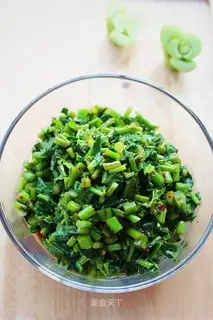
In the realm of leafy green vegetables,油菜薹 (Oilseed Rape Sprouts), known as youcai tai in Mandarin, stands out as a seasonal delicacy celebrated for its tender stalks, vibrant green leaves, and distinctive, slightly peppery flavor. Commonly enjoyed in early spring when the plant bolts,油菜薹 is not only a culinary favorite in East and South Asia but also a nutritional powerhouse packed with vitamins, minerals, and bioactive compounds. This article explores the nutritional profile of油菜薹, its diverse health benefits, and important considerations for consumption to maximize its advantages while minimizing potential risks.
I. Nutritional Value of油菜薹
油菜薹 belongs to the Brassicaceae family, which also includes broccoli, kale, and cabbage. Its nutritional composition is a testament to its status as a functional food, offering a rich blend of macronutrients, micronutrients, and phytochemicals.
1. Vitamins
油菜薹 is an exceptional source of fat-soluble and water-soluble vitamins. It is particularly rich in vitamin C, a potent antioxidant that supports immune function, collagen synthesis, and skin health. A 100-gram serving of fresh油菜薹 provides approximately 70–80 mg of vitamin C, exceeding the daily recommended intake for adults (75–90 mg).
It also contains high levels of vitamin K, essential for blood clotting and bone metabolism. Just 100 grams of油菜薹 can deliver around 200–250 micrograms of vitamin K, meeting over 200% of the daily requirement. Additionally, it offers significant amounts of vitamin A (in the form of beta-carotene), which promotes vision health and immune function, and folate (vitamin B9), crucial for DNA synthesis and cell division, making it particularly beneficial during pregnancy.
2. Minerals
The vegetable is a good source of essential minerals, including calcium, potassium, iron, and magnesium. Calcium supports bone and teeth health, while potassium regulates blood pressure and fluid balance. Iron is vital for oxygen transport in the blood, and magnesium plays a role in over 300 enzymatic reactions, including muscle and nerve function. A 100-gram serving of油菜薹 provides approximately 120 mg of calcium, 300 mg of potassium, and 1.5 mg of iron.
3. Dietary Fiber and Low-Calorie Profile
油菜薹 is low in calories (around 25–30 kcal per 100 grams) but high in dietary fiber (2–3 grams per 100 grams). Fiber aids digestion, promotes satiety, and helps regulate blood sugar levels, making it an excellent choice for weight management and metabolic health.
4. Phytochemicals and Antioxidants
As a member of the Brassicaceae family,油菜薹 is loaded with bioactive compounds, including glucosinolates, flavonoids, and polyphenols. Glucosinolates, such as glucoraphanin, break down into isothiocyanates (e.g., sulforaphane) when chopped or chewed. These compounds have been extensively studied for their anti-inflammatory, anticancer, and detoxification properties. Flavonoids like quercetin and kaempferol further contribute to its antioxidant capacity, neutralizing harmful free radicals and reducing oxidative stress.
II. Health Benefits of油菜薹
The combination of nutrients and phytochemicals in油菜薹 confers a wide range of health benefits, from supporting immune function to reducing the risk of chronic diseases.
1. Boosts Immune System
The high vitamin C content in油菜薹 enhances immune function by stimulating the production of white blood cells and acting as an antioxidant to protect immune cells from oxidative damage. Additionally, its vitamin A and folate levels further support immune health, making it a valuable food during cold and flu season.
2. Supports Bone Health
Vitamin K and calcium in油菜薹 work synergistically to maintain bone density and strength. Vitamin K activates osteocalcin, a protein that binds calcium to the bone matrix, while calcium provides the raw material for bone mineralization. Regular consumption of油菜薹 may help reduce the risk of osteoporosis, especially in postmenopausal women.
3. Promotes Heart Health
The potassium in油菜薹 helps regulate blood pressure by counteracting the effects of sodium, while its fiber content lowers LDL (bad) cholesterol levels. Furthermore, the antioxidant flavonoids reduce inflammation in blood vessels, improving endothelial function and reducing the risk of atherosclerosis. Studies suggest that diets rich in Brassica vegetables, including油菜薹, are associated with a lower risk of cardiovascular diseases.
4. Aids Digestion and Gut Health
The dietary fiber in油菜薹 adds bulk to stool, promotes regular bowel movements, and prevents constipation. Moreover, its glucosinolates and polyphenols act as prebiotics, nourishing beneficial gut bacteria and maintaining a healthy gut microbiome. A balanced gut microbiome is linked to improved digestion, enhanced immunity, and reduced risk of gastrointestinal disorders.
5. Potential Anticancer Properties
Sulforaphane, a compound derived from glucosinolates in油菜薹, has been shown to possess potent anticancer effects. It inhibits the growth of cancer cells by inducing apoptosis (programmed cell death), blocking tumor angiogenesis (formation of new blood vessels), and detoxifying carcinogens. Research indicates that sulforaphane is particularly effective against breast, prostate, and colon cancers. Regular consumption of油菜薹 may thus contribute to cancer prevention as part of a balanced diet.
6. Enhances Skin and Eye Health
The vitamin C and beta-carotene in油菜薹 are beneficial for skin health. Vitamin C stimulates collagen production, reducing wrinkles and improving skin elasticity, while beta-carotene protects the skin from UV damage. For eye health, beta-carotene (converted to vitamin A) and antioxidants like lutein (present in small amounts in油菜薹) help prevent age-related macular degeneration and cataracts.
III. Precautions and Potential Side Effects
While油菜薹 offers numerous health benefits, it is important to consume it in moderation and be aware of potential precautions, particularly for certain individuals.
1. Goitrogenic Effects
油菜薹 contains goitrogens, compounds that can interfere with thyroid function by inhibiting the uptake of iodine, a mineral essential for thyroid hormone production. While cooking significantly reduces goitrogen levels, individuals with existing thyroid conditions (e.g., hypothyroidism) should consume油菜薹 in moderation and ensure adequate iodine intake from other sources (e.g., iodized salt, seafood).
2. Oxalate Content
Like other leafy greens,油菜薹 contains oxalates, compounds that can contribute to kidney stone formation in susceptible individuals. People with a history of calcium oxalate kidney stones should limit their intake and ensure adequate hydration. Cooking油菜薹 can help reduce oxalate levels.
3. Pesticide Residues
As a non-organic crop,油菜薹 may be exposed to pesticides. To minimize exposure, it is advisable to wash the vegetable thoroughly under running water or soak it in a saltwater solution for 10–15 minutes before consumption. Opting for organic油菜薹 can further reduce pesticide risks.
4. Blood Thinning Effects
The high vitamin K content in油菜薹 can interact with blood-thinning medications (e.g., warfarin). Individuals taking such medications should maintain consistent vitamin K intake by consuming a stable amount of油菜薹 daily to avoid interfering with medication efficacy.
5. Digestive Discomfort
While fiber is beneficial for digestion, excessive consumption of油菜薹 may cause bloating, gas, or diarrhea in sensitive individuals. Starting with small portions and gradually increasing intake can help the digestive system adjust.
IV. Culinary Uses and Storage Tips
To fully enjoy the nutritional benefits of油菜薹, proper preparation and storage are key.
1. Culinary Uses
油菜薹 is versatile and can be stir-fried, steamed, boiled, or added to soups and stirs. To preserve its nutrients, it is best to cook it quickly over high heat, such as in a stir-fry with garlic and ginger. Avoid overcooking, as this can lead to nutrient loss and a mushy texture. The tender stalks and leaves can also be blanched and used in salads for a crunchy, peppery flavor.
2. Storage
Fresh油菜薹 should be stored in a plastic bag in the refrigerator and consumed within 3–4 days to maintain freshness. For longer storage, blanch the vegetable for 1–2 minutes, then freeze it in airtight containers. Frozen油菜薹 can be used in cooked dishes but may not retain its crisp texture.
Conclusion
油菜薹 is a nutrient-dense vegetable that offers a myriad of health benefits, from immune support and bone health to potential cancer prevention. Its rich profile of vitamins, minerals, fiber, and phytochemicals makes it a valuable addition to a balanced diet. However, individuals with thyroid issues, kidney stones, or those on blood-thinning medications should consume it with caution. By understanding its nutritional value, health benefits, and precautions, one can incorporate油菜薹 into their diet safely and reaping its many advantages. Whether enjoyed as a simple stir-fry or a hearty soup,油菜薹 is a delicious and wholesome choice for promoting overall health and well-being.