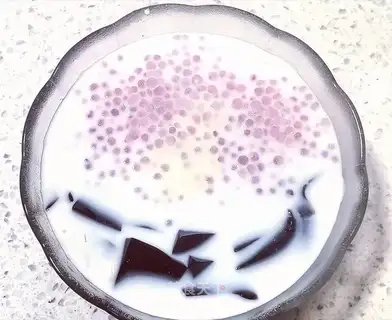
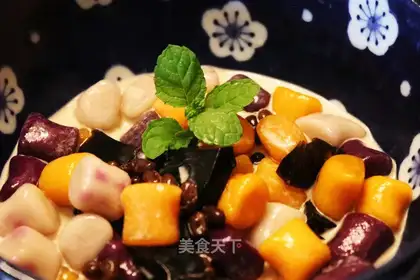
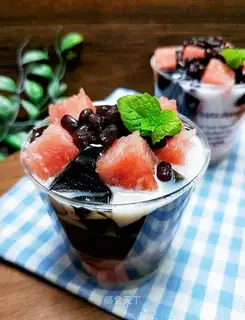
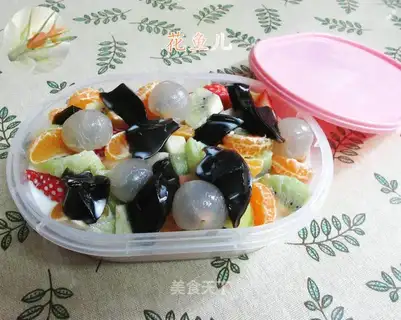
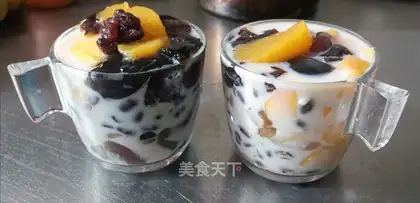
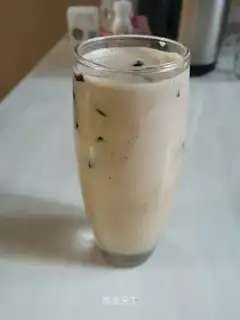
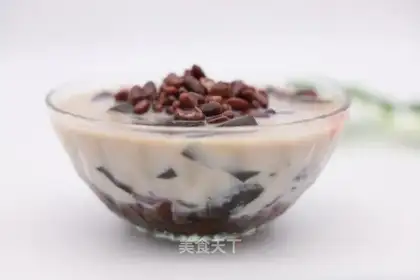
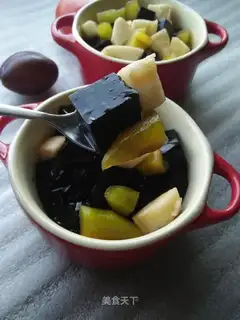
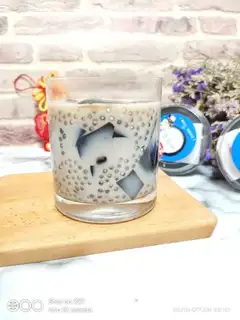
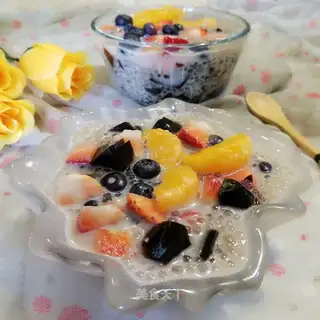
Guilinggao, often translated as "turtle jelly," is a time-honored Chinese herbal dessert with a history spanning over a thousand years. Originally crafted from the powdered plastron (underbelly shell) of the Chinese soft-shelled turtle (Pelodiscus sinensis) and the dried leaves of Gynostemma pentaphyllum (jiaogulan), this dark, jelly-like treat has evolved into a widely consumed modern delicacy. Today, while traditional recipes still use turtle plastron, many commercial versions substitute it with herbal extracts like mint, licorice, or green bean to meet ethical and dietary preferences. Beyond its unique flavor and silky texture, guilinggao is prized for its nutritional value and health benefits. However, like many traditional remedies, it is not without precautions. This article explores the nutritional composition of guilinggao, its health-promoting effects, and important considerations for safe consumption.
Nutritional Value of Guilinggao
Guilinggao’s nutritional profile is a blend of traditional herbal medicine and modern dietary components, offering a balance of macronutrients, micronutrients, and bioactive compounds.
1. Key Ingredients and Their Nutrients
Traditional guilinggao derives its nutritional value from two primary ingredients: turtle plastron and Gynostemma pentaphyllum.
- Turtle Plastron: Rich in collagen, amino acids (such as glycine, proline, and hydroxyproline), and trace minerals like calcium, phosphorus, and iron. Collagen supports skin elasticity, joint health, and tissue repair, while amino acids serve as building blocks for protein synthesis. The plastron also contains small amounts of peptides and polysaccharides, which exhibit antioxidant properties.
- Gynostemma Pentaphyllum: Known as "immortality herb" in Chinese tradition, this plant is packed with gypenosides (triterpenoid saponins), flavonoids, and polysaccharides. Gypenosides have been shown to regulate lipid metabolism, boost immune function, and reduce oxidative stress. Flavonoids, such as quercetin and kaempferol, contribute to anti-inflammatory and cardiovascular benefits.
Modern guilinggao, often made with herbal alternatives like mint or licorice, retains nutritional value through added ingredients:
- Mint: Contains menthol, rosmarinic acid, and vitamins A and C, which aid digestion, relieve nausea, and provide antioxidant protection.
- Licorice Root: Glycyrrhizin, its active compound, offers anti-inflammatory, antiviral, and hepatoprotective (liver-protecting) effects. However, it should be consumed in moderation to avoid side effects.
- Gelatin/Base: Most commercial versions use gelatin or agar-agar as a setting agent, providing additional collagen (in gelatin) and dietary fiber (in agar-agar).
2. Low-Calorie, Functional Beverage
Guilinggao is typically served chilled as a dessert or beverage, with a low calorie count (approximately 50–100 kcal per serving, depending on additives). It is often sweetened with rock sugar or honey, which are natural sweeteners with lower glycemic indices than refined sugar, making it a relatively guilt-free treat. Additionally, its high water content (over 90%) aids hydration, while herbal ingredients like mint and licorice enhance its appeal as a refreshing summer drink.
Health Benefits and Functional Properties
Guilinggao is more than a dessert; it is a functional food with multiple health benefits, rooted in traditional Chinese medicine (TCM) and supported by modern research.
1. Detoxification and Heat Clearance
In TCM, guilinggao is classified as a "cooling" food, believed to clear "heat toxins" from the body—a concept tied to reducing inflammation, alleviating fever, and treating symptoms like sore throat, acne, and oral ulcers. Turtle plastron and Gynostemma pentaphyllum are traditionally used to "purify the blood" and remove toxins, while mint and licorice enhance these effects by soothing gastrointestinal irritation and promoting sweating. Modern studies suggest that the polysaccharides and flavonoids in these ingredients inhibit oxidative stress and reduce pro-inflammatory cytokines, supporting their role in detoxification.
2. Skin Health and Anti-Aging
Collagen, a major component of traditional guilinggao, is vital for maintaining skin structure and hydration. As we age, collagen production declines, leading to wrinkles and sagging. Consuming collagen-rich foods like guilinggao may stimulate collagen synthesis in the skin, improving elasticity and reducing fine lines. Additionally, the antioxidants (e.g., gypenosides, flavonoids) neutralize free radicals, which are responsible for premature aging and skin damage. A 2018 study published in Journal of Cosmetic Dermatology found that collagen supplementation significantly improved skin hydration and elasticity, supporting guilinggao’s reputation as a "beauty food."
3. Digestive Health Support
Guilinggao is often consumed after meals to aid digestion. Mint, a common additive, relaxes gastrointestinal muscles, relieves bloating, and reduces indigestion. Licorice root, meanwhile, protects the gastric mucosa and inhibits Helicobacter pylori growth, a bacterium linked to ulcers. The gelatin or agar-agar in guilinggao also acts as a mild prebiotic, nourishing beneficial gut bacteria and promoting digestive balance. For individuals with mild constipation, the jelly’s high fiber content (when made with agar-agar) can stimulate bowel movements.
4. Immune System Modulation
The polysaccharides and gypenosides in guilinggao have immunomodulatory effects, meaning they can enhance immune function without causing overactivation. Polysaccharides stimulate macrophages and natural killer (NK) cells, which are critical for fighting pathogens, while gypenosides regulate T-cell activity, reducing inflammation in autoimmune conditions. A 2020 study in Phytotherapy Research reported that Gynostemma pentaphyllum supplementation increased immune cell counts in immunocompromised individuals, suggesting guilinggao may support immune health during illness or stress.
5. Cardiovascular and Metabolic Benefits
Guilinggao’s herbal ingredients may promote heart health by regulating blood lipids and blood pressure. Gypenosides have been shown to reduce LDL ("bad") cholesterol and triglyceride levels while increasing HDL ("good") cholesterol, lowering the risk of atherosclerosis. Flavonoids in mint and licorice improve endothelial function (the lining of blood vessels), enhancing blood flow and reducing hypertension. Additionally, guilinggao’s low-calorie, low-sugar profile makes it a suitable choice for individuals with diabetes or metabolic syndrome, as it helps stabilize blood sugar levels when consumed without added sweeteners.
Precautions and Contraindications
While guilinggao offers numerous health benefits, it is not suitable for everyone. Understanding its contraindications and potential side effects is crucial for safe consumption.
1. Pregnancy and Lactation
Pregnant and breastfeeding women should avoid traditional guilinggao made with turtle plastron, as it may stimulate uterine contractions or affect fetal development. Herbal additives like licorice root can also elevate blood pressure and disrupt electrolyte balance, posing risks during pregnancy. Commercial versions with safe herbal alternatives (e.g., mint, green bean) are generally acceptable, but consultation with a healthcare provider is recommended.
2. Cold Constitution and Digestive Sensitivity
In TCM, individuals with "cold constitution" (e.g., those who often feel cold, have poor digestion, or experience loose stools) should limit guilinggao intake. Its cooling properties may exacerbate symptoms like abdominal pain or diarrhea. Similarly, people with irritable bowel syndrome (IBS) or gastritis may experience discomfort due to gelatin or herbal irritants. Opting for room-temperature guilinggao or smaller portions can mitigate these effects.
3. Kidney and Liver Conditions
Turtle plastron contains high levels of protein and minerals, which may burden the kidneys in individuals with chronic kidney disease (CKD). Licorice root, when consumed in excess, can cause hyperkalemia (high potassium) or hypokalemia (low potassium) due to its effects on electrolyte balance. Patients with liver or kidney disorders should avoid traditional guilinggao and consult a doctor before trying herbal variants.
4. Drug Interactions
Guilinggao may interact with certain medications. For example, licorice root can potentiate the effects of corticosteroids and blood pressure medications, increasing the risk of side effects. Gypenosides may enhance the effects of antidiabetic drugs, leading to hypoglycemia (low blood sugar). Individuals taking anticoagulants (e.g., warfarin) should also be cautious, as collagen and herbal ingredients may affect blood clotting.
5. Allergies and Additives
Commercial guilinggao often contains artificial flavors, colorings, or sweeteners, which may trigger allergies in sensitive individuals. Common allergens include gelatin (derived from animal bones) and agar-agar (a seaweed derivative). Those with shellfish allergies should avoid gelatin-based versions, as it may be cross-contaminated. Reading ingredient labels and choosing natural, additive-free products is essential.
6. Ethical and Environmental Considerations
Traditional guilinggao’s use of turtle plastron raises ethical concerns due to overharvesting of Chinese soft-shelled turtles, which are classified as vulnerable by the IUCN. Consumers should prioritize sustainable, herbal-based alternatives to support conservation efforts. Many brands now use plant-derived ingredients without compromising flavor or nutritional value.
Conclusion
Guilinggao is a unique fusion of nutrition, tradition, and functionality, offering benefits ranging from detoxification and skin health to immune support and cardiovascular protection. Its evolution from a medicinal remedy to a popular dessert reflects its adaptability and enduring appeal. However, its "cooling" nature, herbal ingredients, and traditional components require mindful consumption, especially for pregnant women, individuals with chronic illnesses, or those on medications. By choosing high-quality, additive-free versions and understanding personal health needs, guilinggao can be enjoyed as both a delicious treat and a complement to a balanced lifestyle. As modern science continues to validate its traditional uses, guilinggao remains a testament to the wisdom of Chinese herbal medicine—bridging the past and present for better health and wellness.