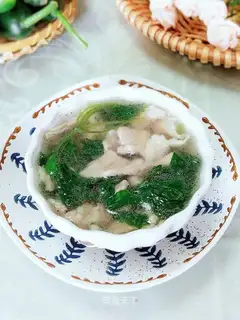
In the realm of leafy green vegetables, few are as underappreciated yet nutritionally dense as pearl sprouts (Sedum sarmentosum), also known as "dragon’s blood" or "stringy stonecrop." Traditionally used in Asian cuisine and herbal medicine, this vibrant green plant has gained global attention for its exceptional health benefits, versatility in cooking, and unique bioactive compounds. Native to East Asia and widely cultivated in regions like China, Japan, and Korea, pearl sprouts offer a harmonious blend of vitamins, minerals, and antioxidants that support overall well-being. This article explores the nutritional profile, health benefits, culinary uses, and important precautions associated with pearl sprouts, providing a comprehensive guide for incorporating this superfood into a balanced diet.
Nutritional Profile: A Treasure Trove of Essential Nutrients
Pearl sprouts stand out for their rich concentration of vitamins, minerals, and bioactive compounds that contribute to their status as a nutritional powerhouse. A 100-gram serving of fresh pearl sprouts contains approximately:
- Vitamins:
- Vitamin C: A potent antioxidant, vitamin C supports immune function, collagen synthesis, and skin health. Pearl sprouts provide around 20–30 mg of vitamin C per 100 grams, rivaling citrus fruits in terms of concentration relative to their weight.
- Vitamin K: Essential for blood clotting and bone metabolism, vitamin K is abundant in pearl sprouts, with about 50–60 micrograms per 100 grams—meeting nearly 50% of the daily recommended intake for adults.
- Vitamin A: In the form of beta-carotene, vitamin A promotes vision health, immune function, and cell growth. Pearl sprouts contain approximately 800–1000 IU of vitamin A per 100 grams, contributing to their role in preventing deficiencies.
- B Vitamins: Including folate (B9), which is crucial for DNA synthesis and fetal development, and riboflavin (B2), which aids energy production.
- Minerals:
- Calcium: Vital for bone and teeth health, pearl sprouts offer about 100–150 mg of calcium per 100 grams, making them a valuable plant-based source for individuals avoiding dairy.
- Iron: With 1–2 mg per 100 grams, pearl sprouts support hemoglobin production and oxygen transport in the blood, particularly beneficial for vegetarians and those with iron-deficiency anemia.
- Potassium: Regulating blood pressure and fluid balance, potassium is present in significant amounts (200–300 mg per 100 grams), helping to counteract the effects of sodium-rich diets.
- Magnesium: Involved in over 300 enzymatic reactions, magnesium (50–70 mg per 100 grams) supports muscle function, nerve signaling, and blood sugar control.
- Bioactive Compounds:
- Polyphenols: Pearl sprouts are rich in flavonoids and phenolic acids, which combat oxidative stress and reduce inflammation.
- Alkaloids: Unique compounds like sedum alkaloid have been studied for their potential antimicrobial and anti-cancer properties.
- Fiber: With 2–3 grams of dietary fiber per 100 grams, pearl sprouts promote digestive health and satiety.
Health Benefits: From Disease Prevention to Wellness Support
The combination of nutrients and bioactive compounds in pearl sprouts translates to a wide range of health benefits, backed by both traditional use and modern scientific research.
1. Antioxidant and Anti-Inflammatory Properties
Oxidative stress, caused by an imbalance between free radicals and antioxidants, is linked to chronic diseases like cancer, heart disease, and diabetes. Pearl sprouts are loaded with antioxidants, including vitamin C, beta-carotene, and polyphenols, which neutralize free radicals and reduce cellular damage. Studies show that the polyphenols in pearl sprouts inhibit the production of pro-inflammatory cytokines, making them beneficial for conditions like arthritis, inflammatory bowel disease, and even neurodegenerative disorders.
2. Immune System Boost
The high vitamin C content in pearl sprouts enhances immune function by stimulating the production of white blood cells and antibodies. Additionally, vitamin A maintains the integrity of mucosal barriers (e.g., in the respiratory and digestive tracts), preventing pathogen invasion. Regular consumption of pearl sprouts may reduce the severity and duration of common colds and infections.
3. Cardiovascular Health
Pearl sprouts support heart health through multiple mechanisms:
- Potassium and Magnesium: These minerals help regulate blood pressure by relaxing blood vessels and balancing sodium levels.
- Fiber: Soluble fiber binds to cholesterol in the digestive tract, reducing its absorption and lowering LDL ("bad") cholesterol.
- Antioxidants: By preventing oxidative damage to blood vessels, pearl sprouts reduce the risk of atherosclerosis and hypertension.
4. Blood Sugar Regulation
For individuals with diabetes or insulin resistance, pearl sprouts may offer a natural way to manage blood sugar. The fiber content slows carbohydrate digestion, preventing rapid spikes in blood glucose. Animal studies suggest that certain alkaloids in pearl sprouts enhance insulin sensitivity, improving glucose uptake by cells. However, human trials are needed to confirm these effects.
5. Digestive Health
The fiber in pearl sprouts promotes regular bowel movements and prevents constipation. Additionally, polyphenols exhibit prebiotic properties, nourishing beneficial gut bacteria like Lactobacillus and Bifidobacterium, which support gut microbiome balance. A healthy gut microbiome is linked to improved immunity, mental health, and reduced risk of gastrointestinal diseases.
6. Bone Health
Pearl sprouts are an excellent source of vitamin K and calcium, two nutrients critical for bone density. Vitamin K activates osteocalcin, a protein that binds calcium to bones, reducing the risk of osteoporosis and fractures. For older adults or those with lactose intolerance, pearl sprouts provide a plant-based alternative to dairy for bone health.
7. Potential Anti-Cancer Effects
Preliminary studies suggest that the bioactive compounds in pearl sprouts may inhibit cancer cell growth. Flavonoids like quercetin have been shown to induce apoptosis (programmed cell death) in cancer cells and prevent tumor angiogenesis (the formation of new blood vessels that feed tumors). While more research is needed, these findings highlight pearl sprouts’ potential as a complementary therapy in cancer prevention.
Culinary Uses: From Traditional Dishes to Modern Cuisine
Beyond their health benefits, pearl sprouts are prized for their unique flavor and versatility in cooking. With a slightly tangy, succulent taste and crisp texture, they can be incorporated into a variety of dishes:
- Stir-Fries and Sautés: Pearl sprouts are commonly stir-fried with garlic, ginger, and lean proteins like chicken or tofu. Their quick cooking time (2–3 minutes) preserves their crunch and nutrients.
- Salads: Young, tender pearl sprouts add a peppery kick to salads. Pair them with citrus vinaigrette, nuts, and fruits like mandarin oranges for a refreshing dish.
- Soups and Stews: In Korean and Chinese cuisine, pearl sprouts are added to soups for their nutritional value and subtle flavor. They can be cooked in miso soup or hot pot broths.
- Pickles: Preserved pearl sprouts, often pickled with vinegar, soy sauce, and chili, make a zesty condiment that complements rice and grilled dishes.
- Smoothies: Blended into green smoothies, pearl sprouts provide a nutrient boost without overpowering other flavors.
When selecting pearl sprouts, look for vibrant green leaves, crisp stems, and no signs of wilting or yellowing. Store them in a plastic bag in the refrigerator for up to 3–4 days to maintain freshness.
Precautions and Potential Side Effects
While pearl sprouts offer numerous health benefits, they are not suitable for everyone. Certain precautions should be taken to avoid adverse effects:
1. Pregnancy and Breastfeeding
Pregnant women should consume pearl sprouts in moderation. High levels of vitamin K may interfere with blood-thinning medications (e.g., warfarin), and excessive vitamin A can increase the risk of birth defects. Consulting a healthcare provider is advisable.
2. Blood-Thinning Medications
Vitamin K plays a key role in blood clotting. Individuals taking anticoagulant drugs like warfarin should maintain consistent vitamin K intake to avoid medication interactions. Sudden increases in pearl sprouts consumption could reduce the drug’s effectiveness.
3. Kidney Stones
Pearl sprouts contain oxalates, compounds that can contribute to kidney stone formation in susceptible individuals. Those with a history of calcium oxalate stones should limit intake and ensure adequate hydration.
4. Allergic Reactions
Though rare, some people may experience allergic reactions to pearl sprouts, such as skin rashes or digestive discomfort. Discontinue use if adverse reactions occur.
5. Pesticide Residues
As with leafy greens, pearl sprouts may contain pesticide residues if not grown organically. Washing thoroughly or choosing organic varieties can minimize exposure.
Conclusion
Pearl sprouts are a nutritional powerhouse that offers a unique blend of vitamins, minerals, and bioactive compounds, supporting immune function, heart health, blood sugar regulation, and more. Their versatility in cooking makes them an easy addition to a balanced diet, while traditional and modern research underscores their potential in preventing chronic diseases. However, moderation is key, especially for individuals with specific health conditions like kidney disease or those taking blood-thinning medications. By incorporating pearl sprouts mindfully, one can harness their health benefits while minimizing risks. As global interest in superfoods grows, pearl sprouts are poised to emerge as a staple in health-conscious diets worldwide, bridging the gap between culinary tradition and modern nutrition.