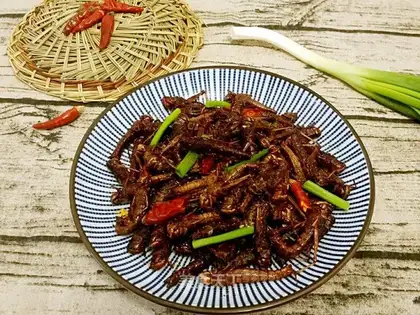
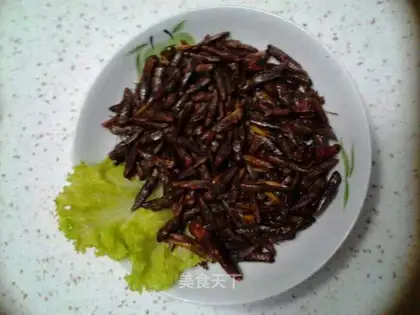
In an era of growing concern over sustainable food systems and protein security, edible insects have emerged as a viable solution to global challenges. Among these, grasshoppers (locusts and crickets, often used interchangeably in culinary contexts) stand out as one of the most widely consumed and nutritious insect species. With a history spanning thousands of years across cultures in Africa, Asia, and Latin America, these tiny creatures are now gaining recognition in Western markets for their impressive nutritional profile, environmental benefits, and culinary versatility. This article delves into the nutritional value of grasshoppers, their health benefits, potential risks, and guidelines for safe consumption, positioning them as a “superfood” of the future.
I. Nutritional Value of Grasshoppers
Grasshoppers are nutritional powerhouses, offering a dense concentration of macronutrients, vitamins, and minerals that rival traditional protein sources like meat, fish, and legumes. Their composition varies slightly based on species, diet, and preparation methods, but their core nutritional benefits remain consistent.
1. High-Quality Protein
Protein is essential for muscle repair, immune function, and overall growth, and grasshoppers excel in this regard. They contain 20–75% protein by dry weight, depending on the species and processing (e.g., dried grasshoppers have higher protein concentrations than fresh ones). Unlike plant-based proteins, grasshopper protein is “complete,” meaning it provides all nine essential amino acids (histidine, isoleucine, leucine, lysine, methionine, phenylalanine, threonine, tryptophan, and valine) that the human body cannot synthesize independently. For example, Locusta migratoria (migratory locust) boasts amino acid profiles comparable to those of soybean and whey protein, making it an ideal alternative for vegetarians, athletes, and malnourished populations.
2. Healthy Fats
Grasshoppers are rich in unsaturated fats, particularly oleic acid (a monounsaturated fat) and linoleic acid (an omega-6 fatty acid), which support heart health and reduce inflammation. Their fat content is relatively low (10–30% by dry weight) and contains negligible amounts of cholesterol. A 100-gram serving of dried grasshoppers provides approximately 10–15 grams of fat, mostly from healthy sources, making them a heart-healthy protein choice.
3. Micronutrient Density
What truly sets grasshoppers apart is their exceptional micronutrient profile. They are a powerhouse of:
- Iron: Grasshoppers contain 5–20 mg of iron per 100 grams, rivaling red meat. Iron is critical for oxygen transport in the blood, and its heme form (found in insects) is more easily absorbed than non-heme iron from plants.
- Zinc: With 8–15 mg per 100 grams, grasshoppers are an excellent source of zinc, which supports immune function, wound healing, and DNA synthesis. This is particularly valuable in regions where zinc deficiency is prevalent.
- B Vitamins: They are rich in B vitamins, including B12 (often lacking in plant-based diets), riboflavin (B2), and niacin (B3). These vitamins play key roles in energy metabolism, nerve function, and red blood cell production.
- Calcium and Magnesium: Grasshoppers provide 100–300 mg of calcium and 200–400 mg of magnesium per 100 grams, contributing to bone health and muscle function.
- Antioxidants: They contain antioxidants like phenols and flavonoids, which combat oxidative stress and reduce the risk of chronic diseases.
4. Fiber and Prebiotics
Grasshoppers are a good source of dietary fiber (3–8% by dry weight), including chitin, a polysaccharide that acts as a prebiotic. Chitin promotes gut health by stimulating the growth of beneficial gut bacteria, improving digestion, and enhancing immune response.
II. Health Benefits of Consuming Grasshoppers
Beyond their nutritional composition, grasshoppers offer a range of health benefits backed by traditional use and emerging scientific research.
1. Muscle Development and Repair
The high-quality protein and amino acid profile of grasshoppers make them an excellent food for muscle growth and repair. Athletes and fitness enthusiasts can benefit from their protein content to support post-workout recovery, while older adults may use them to combat age-related muscle loss (sarcopenia).
2. Immune System Support
Grasshoppers are rich in zinc, selenium, and B vitamins, all of which are vital for a robust immune system. Zinc deficiency, for instance, impairs immune cell function, increasing susceptibility to infections. Regular consumption of grasshoppers can help maintain optimal zinc levels, enhancing the body’s ability to fight pathogens.
3. Anemia Prevention
Iron deficiency anemia is a global health issue, particularly among women and children in low-income countries. Grasshoppers’ heme iron content ensures high bioavailability, making them an effective natural remedy for preventing and treating anemia. Combining them with vitamin C-rich foods (e.g., bell peppers, citrus) further enhances iron absorption.
4. Heart Health
The low saturated fat content and high levels of unsaturated fats in grasshoppers contribute to cardiovascular health. Oleic acid, in particular, helps lower LDL (“bad”) cholesterol and increase HDL (“good”) cholesterol, reducing the risk of atherosclerosis and heart disease.
5. Environmental Sustainability
While not a direct health benefit, the environmental sustainability of grasshopper farming indirectly supports human health by reducing pollution and conserving resources. Grasshoppers require significantly less land, water, and feed than traditional livestock (e.g., cattle and pigs) and produce fewer greenhouse gas emissions. This sustainable production method helps mitigate climate change, which is a major threat to global public health.
III. Potential Risks and Consumption Precautions
While grasshoppers are nutritious, their consumption is not without risks. Proper handling, preparation, and awareness of potential hazards are essential to ensure safety.
1. Allergic Reactions
Like other shellfish and insects, grasshoppers can trigger allergic reactions in susceptible individuals. Allergies to grasshoppers are often cross-reactive with shellfish allergies due to the presence of tropomyosin, a protein common in both. Symptoms may range from mild (hives, itching) to severe (anaphylaxis). Individuals with known shellfish allergies should avoid grasshoppers and consult a healthcare professional before consumption.
2. Pathogens and Contamination
Wild-caught grasshoppers may carry pathogens (e.g., bacteria, parasites) or accumulate toxins from their environment (e.g., pesticides, heavy metals). To minimize risks:
- Source from reputable suppliers: Choose commercially farmed grasshoppers that are raised in controlled environments, free from contaminants.
- Proper cooking: Thoroughly cook grasshoppers to kill potential pathogens. Boiling, frying, or roasting at temperatures above 70°C (158°F) is recommended.
- Avoid wild harvesting: Unless harvested from a pristine, pesticide-free area, wild grasshoppers may pose health risks.
3. Anti-Nutritional Factors
Raw grasshoppers contain anti-nutritional factors (ANFs) such as phytates, tannins, and trypsin inhibitors, which can inhibit nutrient absorption. These compounds are denatured through cooking, so consuming raw or undercooked grasshoppers is not advisable. Additionally, excessive consumption of chitin (a component of the exoskeleton) may cause digestive discomfort in some individuals, as humans lack the enzymes to fully digest it.
4. Cultural and Psychological Barriers
In many Western societies, insects are viewed as “unhygienic” or “unappetizing,” creating psychological barriers to consumption. However, education and culinary innovation can help overcome these biases. For example, grinding grasshoppers into flour for baked goods or incorporating them into familiar dishes (e.g., tacos, stir-fries) can make them more appealing to new consumers.
IV. Culinary Uses and Preparation Tips
Grasshoppers are incredibly versatile in the kitchen and can be prepared in numerous ways to suit different tastes and cuisines. Here are some popular methods:
1. Drying and Grinding
Dried grasshoppers can be ground into a fine powder, which can be added to smoothies, protein bars, or flour for baking (e.g., bread, cookies). This method masks the insect’s appearance while retaining its nutritional benefits.
2. Roasting and Frying
Roasted grasshoppers are a popular snack in Mexico (where they are called “chapulines”) and Thailand. Tossed with garlic, chili, lime, and salt, they make a crunchy, flavorful snack. Fried grasshoppers can also be used as a topping for salads or noodle dishes.
3. Boiling and Stewing
Boiling grasshoppers in water or broth softens their exoskeletons, making them easier to digest. They can then be added to soups, stews, or curries for a protein boost.
4. Grilling
Grilled grasshoppers are a delicacy in parts of Africa and Asia. Marinated in spices and grilled over an open flame, they develop a smoky, nutty flavor.
V. Conclusion
Grasshoppers are more than just a novelty food—they are a nutritional, sustainable, and culinary resource with the potential to address global challenges like malnutrition, food insecurity, and environmental degradation. Their high protein content, rich micronutrient profile, and low environmental footprint make them a compelling alternative to traditional protein sources. While risks such as allergies and contamination exist, these can be mitigated through proper sourcing, preparation, and education.
As the world seeks innovative solutions to feed a growing population sustainably, grasshoppers are poised to play a significant role in the future of food. By embracing this ancient food and modernizing its preparation, we can unlock its full potential and move toward a more resilient and nutritious food system. Whether as a snack, a protein supplement, or a culinary ingredient, grasshoppers are a testament to the idea that the smallest creatures can offer the greatest benefits.