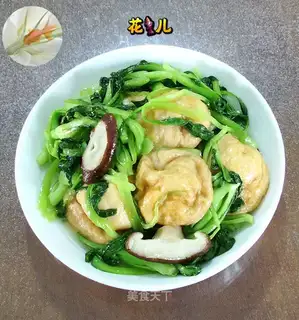
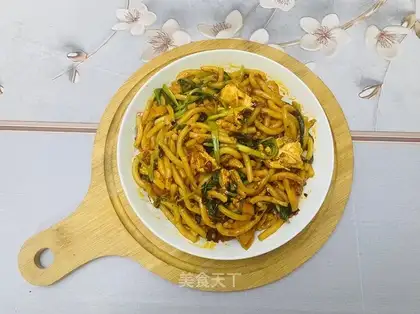
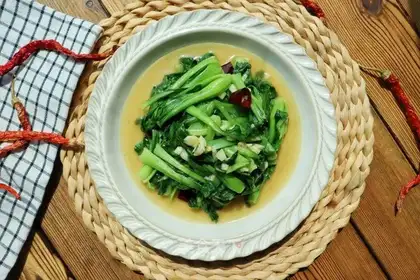
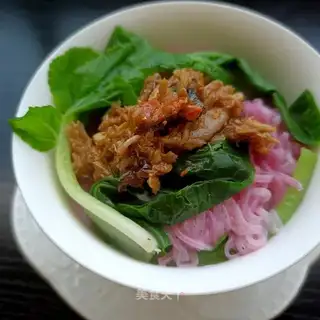
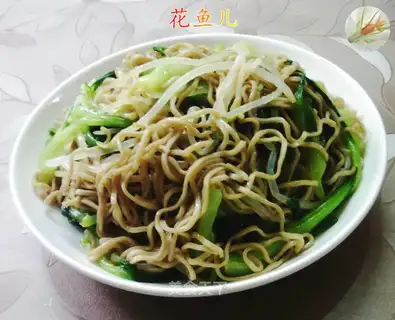
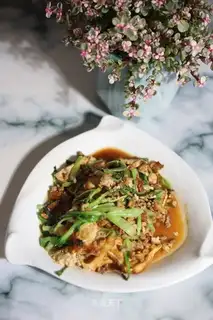
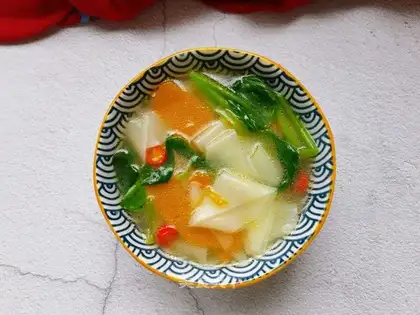
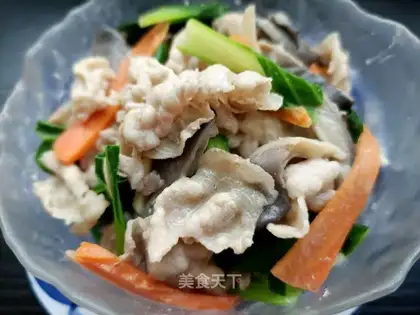
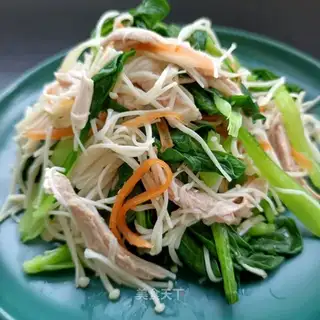
In the realm of leafy green vegetables, Chinese cabbage seedlings—commonly known as jīmáo cài (鸡毛菜) in Mandarin—stand out as a humble yet nutritional powerhouse. Often overshadowed by more exotic superfoods, this fast-growing cruciferous vegetable, scientifically known as Brassica rapa var. chinensis, is a staple in Asian cuisine and a rising star in global health-conscious diets. With its tender leaves, mild flavor, and impressive nutrient profile, chicken cabbage seedlings offer a myriad of health benefits, from boosting immunity to supporting digestion. However, like all foods, it must be consumed mindfully to avoid potential risks. This article explores the nutritional value, health benefits, and precautions associated with chicken cabbage seedlings, shedding light on why this green deserves a place in your daily meals.
I. Nutritional Value: A Treasure Trove of Essential Nutrients
Chicken cabbage seedlings are a low-calorie, nutrient-dense food, packed with vitamins, minerals, antioxidants, and dietary fiber. Their nutritional composition makes them an excellent choice for those seeking to maintain a balanced diet without excessive calorie intake.
1. Rich in Vitamins
- Vitamin C: A single cup (about 70 grams) of raw chicken cabbage seedlings provides approximately 50% of the daily recommended intake of vitamin C. This potent antioxidant plays a critical role in collagen synthesis, immune function, and skin health. Vitamin C also enhances iron absorption from plant-based foods, making it particularly beneficial for vegetarians and vegans.
- Vitamin K: These greens are an exceptional source of vitamin K, with one cup delivering over 100% of the daily requirement. Vitamin K is essential for blood clotting and bone metabolism, as it helps regulate calcium deposition in bones and teeth.
- Vitamin A and Beta-Carotene: Chicken cabbage seedlings contain significant amounts of vitamin A (in the form of beta-carotene), which is vital for vision, immune health, and cell growth. Beta-carotene also acts as an antioxidant, protecting cells from oxidative damage caused by free radicals.
- Folate (Vitamin B9): Important for DNA synthesis and repair, folate is particularly crucial during pregnancy for fetal development. A cup of chicken cabbage seedlings provides around 10–15% of the daily folate needs.
2. Essential Minerals
- Calcium: While not as famous as dairy products for calcium, chicken cabbage seedlings offer a plant-based source of this mineral, supporting bone density and muscle function.
- Iron: These greens contain non-heme iron, which is less easily absorbed than heme iron from animal products. However, their high vitamin C content enhances iron absorption, making them a valuable food for preventing iron deficiency anemia.
- Potassium: An electrolyte that regulates fluid balance, nerve signals, and blood pressure, potassium is abundant in chicken cabbage seedlings. A diet rich in potassium may help lower blood pressure and reduce the risk of stroke.
- Magnesium: This mineral is involved in over 300 biochemical reactions in the body, including energy production, muscle function, and blood sugar regulation.
3. Dietary Fiber and Antioxidants
Chicken cabbage seedlings are high in dietary fiber, with one cup providing about 2 grams. Fiber promotes digestive health by preventing constipation, feeding beneficial gut bacteria, and reducing the risk of colorectal cancer. Additionally, these greens contain antioxidants such as flavonoids, glucosinolates, and phenolic compounds. Glucosinolates, unique to cruciferous vegetables, break down into bioactive compounds like sulforaphane, which has been studied for its anti-cancer and anti-inflammatory properties.
4. Low in Calories and Fat
With only 15–20 calories per cup, chicken cabbage seedlings are an ideal food for weight management. They are also virtually fat-free and contain no cholesterol, making them heart-healthy.
II. Health Benefits: How Chicken Cabbage Seedlings Boost Wellness
The combination of vitamins, minerals, and bioactive compounds in chicken cabbage seedlings contributes to a wide range of health benefits, from chronic disease prevention to enhanced daily vitality.
1. Strengthens the Immune System
The high vitamin C content in chicken cabbage seedlings is a key immune booster. Vitamin C stimulates the production and function of white blood cells, which are the body’s primary defense against infections. Studies show that adequate vitamin C intake can reduce the duration and severity of colds and respiratory illnesses. Additionally, the antioxidants in these greens neutralize free radicals, reducing oxidative stress and supporting overall immune function.
2. Supports Bone Health
Vitamin K and calcium are critical for maintaining strong bones. Vitamin K activates proteins that bind calcium to the bone matrix, while calcium provides the structural material for bones. Regular consumption of chicken cabbage seedlings may help prevent osteoporosis, especially in postmenopausal women who are at a higher risk of bone loss.
3. Promotes Digestive Health
The fiber in chicken cabbage seedlings adds bulk to stool, facilitating regular bowel movements and preventing constipation. Moreover, fiber acts as a prebiotic, feeding beneficial gut bacteria like Lactobacillus and Bifidobacterium. A healthy gut microbiome is linked to improved digestion, reduced inflammation, and a lower risk of digestive disorders such as irritable bowel syndrome (IBS) and colorectal cancer.
4. Reduces Chronic Disease Risk
- Anti-Cancer Properties: Cruciferous vegetables like chicken cabbage seedlings are renowned for their cancer-fighting potential. Glucosinolates break down into compounds such as sulforaphane and indole-3-carbinol, which have been shown to inhibit the growth of cancer cells, particularly in the breast, prostate, and colon. These compounds detoxify carcinogens, reduce inflammation, and induce apoptosis (programmed cell death) in cancerous cells.
- Heart Health: The potassium in chicken cabbage seedlings helps regulate blood pressure by balancing sodium levels in the body. Fiber also lowers LDL (bad) cholesterol levels, reducing the risk of atherosclerosis (hardening of the arteries) and heart disease. Additionally, antioxidants like flavonoids protect blood vessels from oxidative damage, improving overall cardiovascular health.
- Anti-Inflammatory Effects: Chronic inflammation is a root cause of many diseases, including diabetes, arthritis, and heart disease. Chicken cabbage seedlings contain anti-inflammatory compounds such as sulforaphane and vitamin C, which reduce the production of pro-inflammatory cytokines (signaling molecules) in the body.
5. Aids in Weight Management
Due to their low calorie and high fiber content, chicken cabbage seedlings are an excellent addition to weight loss diets. Fiber promotes satiety, helping you feel full for longer and reducing overall calorie intake. Additionally, the high water content (over 90%) in these greens adds volume to meals without adding calories, making them a satisfying and nutritious choice for those looking to shed pounds.
6. Enhances Skin Health
Vitamin C is essential for collagen production, a protein that gives skin its structure and elasticity. By supporting collagen synthesis, chicken cabbage seedlings help reduce wrinkles, improve skin texture, and accelerate wound healing. The antioxidants in these greens also protect the skin from UV damage and environmental pollutants, slowing down the aging process.
III. Precautions and Potential Side Effects
While chicken cabbage seedlings are highly nutritious, certain precautions must be taken to avoid adverse effects, particularly for individuals with specific health conditions.
1. Goitrogen Content
Chicken cabbage seedlings belong to the cruciferous family, which contains goitrogens—compounds that can interfere with thyroid function by inhibiting the uptake of iodine. In individuals with iodine deficiency or pre-existing thyroid disorders (such as hypothyroidism), excessive consumption of raw cruciferous vegetables may exacerbate thyroid issues. However, cooking significantly reduces goitrogen levels. For most people, moderate consumption (1–2 cups per day) of cooked chicken cabbage seedlings is safe.
2. Blood Thinning Effects
Due to their high vitamin K content, chicken cabbage seedlings can interact with blood-thinning medications like warfarin. Vitamin K plays a key role in blood clotting, and sudden changes in its intake can affect the medication’s efficacy. Individuals taking anticoagulants should maintain a consistent intake of vitamin K-rich foods and consult their doctor before making significant dietary changes.
3. Pesticide Residues
Like many leafy greens, chicken cabbage seedlings may contain pesticide residues if not grown organically. To minimize exposure, it is advisable to wash the greens thoroughly under running water or soak them in a solution of water and vinegar for 10–15 minutes before consumption. Choosing organic varieties can further reduce the risk of pesticide exposure.
4. Digestive Discomfort
While fiber is beneficial for digestion, consuming large amounts of chicken cabbage seedlings, especially raw, may cause bloating, gas, or diarrhea in individuals with sensitive digestive systems. Cooking the greens can make them easier to digest and reduce the risk of discomfort.
5. Allergic Reactions
Although rare, some individuals may be allergic to cruciferous vegetables. Symptoms of an allergic reaction may include itching, swelling, hives, or difficulty breathing. If you experience these symptoms after consuming chicken cabbage seedlings, seek medical attention immediately.
IV. How to Incorporate Chicken Cabbage Seedlings into Your Diet
Chicken cabbage seedlings are versatile and can be enjoyed in a variety of dishes. Here are some simple and delicious ways to include them in your meals:
1. Salads: Add raw chicken cabbage seedlings to salads for a crunchy texture and nutrient boost. Pair them with other greens, cherry tomatoes, cucumbers, and a light vinaigrette.
2. Stir-Fries: Sauté the greens with garlic, ginger, and a small amount of oil for a quick and healthy side dish. Add tofu, shrimp, or chicken for a protein-rich meal.
3. Soups: Add chicken cabbage seedlings to soups and stews during the last few minutes of cooking to retain their nutrients and delicate texture.
4. Smoothies: Blend a handful of raw chicken cabbage seedlings into green smoothies with fruits like bananas, apples, and berries for a nutrient-packed drink.
5. Steamed or Blanched: Lightly steam or blanch the greens and season with soy sauce, sesame oil, and lemon juice for a simple yet flavorful dish.
Conclusion
Chicken cabbage seedlings are a nutritional powerhouse that offers a wide range of health benefits, from boosting immunity and supporting bone health to reducing the risk of chronic diseases. Their low calorie, high fiber, and rich antioxidant content make them an ideal food for maintaining overall wellness. However, it is important to consume them in moderation and take necessary precautions, especially for individuals with thyroid issues or those on blood-thinning medications. By incorporating these versatile greens into your diet, you can enjoy their delicious flavor while reaping their numerous health rewards. As the saying goes, “let food be thy medicine,” and chicken cabbage seedlings are a perfect example of how a simple vegetable can have a profound impact on health.