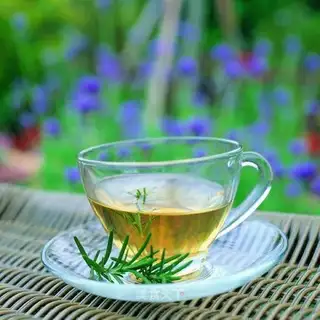
In the realm of herbal remedies and functional beverages, pine needle tea has emerged as a timeless yet underrated elixir, cherished for centuries by indigenous cultures and modern wellness enthusiasts alike. Sipped for its earthy, resinous flavor and purported healing properties, this tea—brewed from the fresh needles of various pine species (such as Pinus sylvestris, Pinus densiflora, and Pinus strobus)—is more than just a comforting drink. It is a concentrated source of bioactive compounds, offering a unique blend of nutrients and therapeutic effects. However, as with any natural remedy, understanding its nutritional profile, health benefits, and potential risks is crucial for safe and effective consumption. This article delves into the science behind pine needle tea, exploring its nutritional value, evidence-based health benefits, and important precautions to keep in mind.
Nutritional Profile: The Green Gold of Pine Forests
Pine needles, often overlooked as inedible, are nutritional powerhouses packed with vitamins, minerals, antioxidants, and phytochemicals. When brewed into tea, these compounds are extracted, creating a beverage that rivals many conventional “superfoods” in nutrient density.
Vitamins: A Natural Multivitamin
One of the most striking features of pine needle tea is its exceptional vitamin content. It is particularly rich in ascorbic acid (vitamin C), a potent antioxidant essential for immune function, collagen synthesis, and iron absorption. Fresh pine needles can contain up to 500 mg of vitamin C per 100 grams—far more than oranges (which provide about 53 mg per 100 grams)—making it a valuable natural remedy for scurvy prevention and immune support.
The tea also contains vitamin A (in the form of beta-carotene), which supports vision, skin health, and immune function, and vitamin E, another antioxidant that protects cells from oxidative damage. Additionally, traces of B vitamins (such as B6 and folate) are present, playing roles in energy metabolism and nervous system health.
Minerals: The Building Blocks of Health
Pine needles are a good source of essential minerals, many of which are often lacking in modern diets. Potassium is abundant, helping regulate blood pressure, fluid balance, and muscle contractions. Calcium and magnesium are also present, critical for bone health, nerve function, and muscle relaxation—magnesium, in particular, is known for its calming effects on the nervous system.
The tea provides iron, which is vital for oxygen transport in the blood, and zinc, a mineral crucial for immune cell development and wound healing. Smaller amounts of manganese and copper are found as well, supporting antioxidant enzyme activity and connective tissue formation.
Antioxidants and Phytochemicals: The Protective Shield
The true star of pine needle tea is its antioxidant content, which stems from a diverse array of phytochemicals. Flavonoids (such as quercetin, rutin, and catechins) are abundant, combating oxidative stress by neutralizing free radicals—unstable molecules that damage cells and contribute to aging and chronic diseases. Terpenes, including pinene (which gives pine its signature scent), limonene, and caryophyllene, not only contribute to the tea’s aroma but also possess anti-inflammatory, antimicrobial, and analgesic properties.
Another notable compound is chlorophyll, the pigment responsible for the needles’ green color. Chlorophyll is known for its detoxifying effects, helping to bind and eliminate toxins from the body, and its anti-inflammatory properties may support gut health.
Low-Calorie, Hydrating, and Caffeine-Free
For those seeking a healthy beverage alternative, pine needle tea is an ideal choice. It is naturally calorie-free, fat-free, and contains no caffeine, making it suitable for individuals sensitive to stimulants or looking to reduce their caffeine intake. Its mild diuretic properties also support hydration while helping flush excess sodium from the body.
Health Benefits: Backed by Tradition and Emerging Science
The consumption of pine needle tea is deeply rooted in traditional medicine systems, with indigenous peoples across North America, Asia, and Europe using it to treat ailments ranging from colds to fatigue. Modern research is now beginning to validate many of these traditional claims, highlighting the tea’s potential to support overall health in multiple ways.
1. Boosts Immune Function
Vitamin C is the cornerstone of immune health, and pine needle tea’s high concentration of this vitamin makes it a natural immune booster. Vitamin C stimulates the production and function of white blood cells, which are the body’s primary defense against pathogens. Studies have shown that adequate vitamin C intake can reduce the duration and severity of colds and flu, and its antioxidant properties protect immune cells from oxidative damage.
Beyond vitamin C, the tea’s flavonoids and terpenes enhance immune function by modulating inflammatory responses. For example, quercetin has been shown to inhibit the replication of viruses and reduce the production of pro-inflammatory cytokines, which are often elevated during infections.
2. Supports Respiratory Health
Pine needle tea has long been used as a remedy for respiratory issues, including coughs, congestion, and bronchitis. Its expectorant properties help thin mucus, making it easier to expel from the airways, while its anti-inflammatory compounds soothe irritated respiratory tissues.
The terpene pinene is particularly beneficial for respiratory health: it acts as a bronchodilator, relaxing the muscles of the airways to improve airflow, and exhibits antimicrobial activity against bacteria that cause respiratory infections. Additionally, the tea’s vitamin C content supports the health of the respiratory mucosa, the body’s first line of defense against airborne pathogens.
3. Reduces Inflammation and Oxidative Stress
Chronic inflammation and oxidative stress are underlying factors in many modern diseases, including heart disease, diabetes, and neurodegenerative disorders. Pine needle tea’s rich antioxidant profile helps combat these processes by neutralizing free radicals and inhibiting inflammatory pathways.
Flavonoids like quercetin and catechins have been shown to suppress the activity of NF-κB, a protein complex that triggers the production of inflammatory cytokines. Terpenes such as limonene also exhibit anti-inflammatory effects, reducing markers of inflammation like C-reactive protein (CRP). By lowering oxidative stress and inflammation, regular consumption of pine needle tea may help protect against chronic diseases and slow the aging process.
4. Enhances Energy and Reduces Fatigue
For centuries, pine needle tea has been used as a natural energy tonic, particularly during long winters when fresh produce was scarce. Its energizing effects are attributed to a combination of nutrients: iron supports oxygen delivery to cells, combating fatigue caused by anemia; magnesium plays a key role in energy production at the cellular level (via ATP synthesis); and B vitamins help convert food into usable energy.
Unlike caffeinated beverages, pine needle tea provides sustained energy without jitters or crashes, making it a healthier alternative for combating daily fatigue. Some traditional medicine systems also credit the tea with adaptogenic properties—helping the body adapt to stress and restore balance.
5. Promotes Detoxification and Skin Health
Chlorophyll, the pigment that gives pine needles their green color, is a potent detoxifier. It binds to heavy metals (such as lead and mercury) and environmental toxins in the body, facilitating their elimination via the liver and kidneys. By reducing the toxic burden, pine needle tea supports overall health and may improve skin conditions like acne and eczema, which are often exacerbated by toxin buildup.
The tea’s vitamin C and vitamin E content also benefits skin health. Vitamin C is essential for collagen production, which keeps skin firm and elastic, while vitamin E protects skin cells from UV damage and oxidative stress. Together, these compounds may help reduce signs of aging, such as wrinkles and fine lines.
6. Supports Cardiovascular Health
The antioxidants and minerals in pine needle tea contribute to heart health in multiple ways. Potassium helps regulate blood pressure by balancing sodium levels and relaxing blood vessel walls, reducing the risk of hypertension. Flavonoids like quercetin improve endothelial function (the health of the blood vessel lining), enhancing blood flow and reducing the risk of atherosclerosis (hardening of the arteries).
Additionally, the tea’s anti-inflammatory properties help reduce chronic inflammation, a key driver of cardiovascular disease. Studies have shown that diets rich in flavonoids and antioxidants are associated with a lower risk of heart attacks and strokes.
Precautions and Potential Risks: Who Should Avoid Pine Needle Tea?
While pine needle tea offers numerous health benefits, it is not a one-size-fits-all remedy. Certain precautions must be taken to ensure safe consumption, as improper use can lead to adverse effects.
1. Pine Species Selection: Not All Pines Are Safe
The most critical precaution is identifying the correct pine species. Some pine needles are toxic and should never be consumed. For example:
- Yew (Taxus spp.): Though not a true pine, yew trees are often mistaken for pines and contain highly toxic alkaloids (taxine) that can cause fatal cardiac arrest.
- Ponderosa Pine (Pinus ponderosa): Needles from this species contain isocupressic acid, which has been linked to abortion in livestock and may pose risks to pregnant humans.
- Non-edible Pines: Pines treated with pesticides, herbicides, or fungicides should be avoided, as these chemicals can leach into the tea and cause toxicity.
Safe varieties for tea include Scots Pine (Pinus sylvestris), Japanese Red Pine (Pinus densiflora), Eastern White Pine (Pinus strobus), and Austrian Pine (Pinus nigra). When harvesting wild pine needles, it is essential to use a reliable field guide or consult with a botanist to ensure proper identification.
2. Pregnancy and Breastfeeding: Caution Advised
Pregnant and breastfeeding women should exercise caution when consuming pine needle tea. While traditional use exists in some cultures, modern research is limited, and certain compounds (such as isocupressic acid in ponderosa pine) may pose risks to fetal development. Additionally, the tea’s diuretic properties could lead to dehydration, which is harmful during pregnancy. It is best for women in these groups to consult a healthcare provider before consuming pine needle tea.
3. Medication Interactions: Potential Risks for Chronic Disease Patients
Pine needle tea may interact with certain medications, particularly blood thinners and diabetes drugs. Its high vitamin C content can enhance the effects of anticoagulants like warfarin, increasing the risk of bleeding. Similarly, the tea’s hypoglycemic properties (due to flavonoids and antioxidants) may amplify the effects of diabetes medications, leading to dangerously low blood sugar levels.
Individuals taking medications for high blood pressure, kidney disease, or autoimmune disorders should also consult a doctor before consuming pine needle tea, as its active compounds may interfere with treatment.
4. Allergic Reactions: Rare but Possible
While rare, some individuals may be allergic to pine needles or their compounds. Symptoms of an allergic reaction can include skin rash, itching, swelling, difficulty breathing, or anaphylaxis. Those with known allergies to pine pollen or other conifer trees should avoid pine needle tea or consume it in very small amounts initially to test for sensitivity.
5. Moderation is Key: Avoid Overconsumption
Even safe pine varieties should be consumed in moderation. Excessive intake of pine needle tea can lead to side effects such as nausea, vomiting, diarrhea, or stomach cramps, primarily due to its high fiber and tannin content. Tannins, while beneficial in small amounts, can inhibit iron absorption and cause digestive upset when consumed in large quantities.
A general guideline is to limit consumption to 1–2 cups per day, brewed with 5–10 fresh needles per cup. Pregnant women, children, and individuals with chronic health conditions should start with even smaller amounts (e.g., 1–2 needles per cup) and monitor their body’s response.
Conclusion: A Nature’s Gift to Be Respected
Pine needle tea is a remarkable example of nature’s ability to provide healing and nourishment. Its rich nutritional profile—packed with vitamin C, antioxidants, minerals, and phytochemicals—offers a wide range of health benefits, from immune support and respiratory relief to reduced inflammation and enhanced energy. For centuries, it has been a staple of traditional medicine, and modern science is now beginning to uncover the mechanisms behind its therapeutic effects.
However, pine needle tea is not without risks. The importance of proper species identification cannot be overstated, as consuming toxic pine varieties can have severe consequences. Additionally, pregnant women, individuals on medications, and those with allergies should exercise caution and consult healthcare providers before use.
When harvested responsibly and consumed in moderation, pine needle tea can be a valuable addition to a healthy lifestyle. It is a reminder that even the most humble natural resources—like the needles of a pine tree—hold immense potential for wellness. As we continue to explore the intersection of tradition and science, pine needle tea stands out as a testament to the enduring power of nature’s remedies.