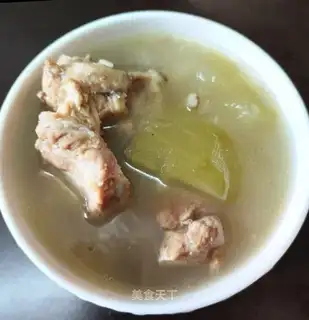
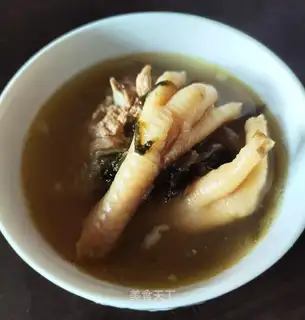
Pork bones, commonly known as "dragon bones" (龙骨) in Chinese culinary and medicinal traditions, have been a cornerstone of human diets for centuries. Revered not only for their ability to enrich broths but also for their purported health benefits, these humble bones are a nutritional treasure trove. From supporting joint health to boosting immunity, pork bones offer a unique blend of macronutrients, micronutrients, and bioactive compounds. However, like all foods, they must be consumed wisely to avoid potential risks. This article explores the nutritional profile of pork bones, their evidence-based health benefits, and important precautions for safe consumption.
I. Nutritional Value of Pork Bones
Pork bones are primarily composed of connective tissue, marrow, and minerals, making them a nutrient-dense food, especially when slow-cooked to extract their beneficial compounds. A 100-gram serving of raw pork bones contains approximately:
- Protein: 15–20 grams, mostly in the form of collagen and gelatin. Collagen is a structural protein that supports skin, joints, and gut health, while gelatin (derived from collagen) aids digestion.
- Minerals: Bones are rich in calcium, phosphorus, magnesium, and trace elements like zinc, copper, and selenium. Calcium and phosphorus are critical for bone density, while zinc and copper support immune function and antioxidant processes. For example, simmering bones for hours can leach up to 100–200 milligrams of calcium per cup of broth, though this varies by cooking duration and bone type.
- Fats and Marrow: Pork marrow, the soft tissue inside bones, is high in monounsaturated fats (e.g., oleic acid) and fat-soluble vitamins (A, D, E, K). These nutrients support brain health, hormone production, and inflammation regulation.
- Amino Acids: Bones contain all essential amino acids, including glycine, proline, and hydroxyproline, which are vital for collagen synthesis and tissue repair.
Unlike muscle meat, bones are low in calories (around 100–150 kcal per 100 grams) but high in bioavailable nutrients, especially when prepared as broth or bone broth—a staple in traditional medicine worldwide.
II. Health Benefits of Pork Bones
The consumption of pork bones, particularly in broth form, is linked to a range of health benefits, supported by both traditional wisdom and modern research.
1. Supports Bone and Joint Health
Pork bones are a natural source of calcium and phosphorus, two minerals essential for maintaining bone density and preventing osteoporosis. Studies show that the collagen in bone broth may also reduce joint pain and improve mobility by stimulating cartilage repair. A 2017 study in the Journal of Medicinal Food found that collagen peptides derived from bones reduced inflammation in patients with osteoarthritis, improving joint function by 30% over a 6-month period.
2. Enhances Gut Health
The gelatin in slow-cooked pork bones soothes the intestinal lining, making it beneficial for individuals with leaky gut syndrome, irritable bowel syndrome (IBS), or food sensitivities. Gelatin binds to water in the digestive tract, promoting mucus production that protects the gut barrier. Additionally, amino acids like glycine in bone broth support stomach acid production, aiding in nutrient absorption.
3. Boosts Immune Function
Pork bones contain amino acids (e.g., arginine) and minerals (e.g., zinc) that modulate immune activity. Arginine stimulates the production of nitric oxide, a compound that fights pathogens, while zinc deficiency is linked to impaired immune responses. A cup of bone broth can provide 10–15% of the daily recommended zinc intake, helping the body resist infections.
4. Promotes Skin and Hair Health
Collagen and hyaluronic acid in pork bones support skin elasticity and hydration. As we age, collagen production declines, leading to wrinkles and dryness. Consuming bone broth may replenish collagen levels, reducing fine lines and improving skin texture. A 2014 study in Nutrition Journal found that women who consumed collagen supplements for 8 weeks experienced increased skin elasticity and hydration.
5. Aids Post-Exercise Recovery
The amino acids in pork bones, particularly glycine and proline, help repair muscle tissue and reduce exercise-induced inflammation. Bone broth also provides electrolytes (e.g., potassium, magnesium) lost during sweat, making it a natural alternative to sports drinks for athletes.
6. Supports Weight Management
Low in calories but high in protein and nutrients, bone broth promotes satiety, reducing overall calorie intake. The gelatin in broth also stabilizes blood sugar levels by slowing carbohydrate absorption, which may help prevent overeating.
III. Precautions and Potential Risks
While pork bones offer numerous health benefits, improper consumption or overconsumption may lead to adverse effects. Here are key precautions to keep in mind:
1. High Purine Content and Gout Risk
Pork bones are rich in purines, compounds that break down into uric acid in the body. Excess uric acid can crystallize in joints, causing gout—a painful form of arthritis. Individuals with gout, kidney stones, or high uric acid levels should limit bone broth intake to 1–2 cups per week and avoid adding high-purine ingredients like organ meats (e.g., liver) to the broth.
2. Sodium Overload
Store-bought bone broths often contain added sodium (up to 800–1000 mg per cup), exceeding the American Heart Association’s recommended daily limit (2300 mg). Homemade broth is a healthier alternative, as sodium levels can be controlled during cooking. For those with hypertension or kidney disease, low-sodium versions should be prioritized.
3. Contaminant Exposure
Pork bones from conventionally raised pigs may contain antibiotics, hormones, or heavy metals (e.g., lead, cadmium) if the animals were exposed to contaminated feed or environments. To minimize risk, choose bones from organic, pasture-raised pigs or reputable suppliers. Additionally, simmer bones for at least 8–12 hours to kill harmful bacteria like Salmonella.
4. Cholesterol Concerns
Pork marrow is high in dietary cholesterol (around 100–120 mg per tablespoon), which may raise LDL ("bad") cholesterol levels in sensitive individuals. However, recent research suggests that dietary cholesterol has a minimal impact on blood cholesterol for most people, as the liver regulates its production. Still, those with hypercholesterolemia should consume marrow in moderation.
5. Allergies and Intolerances
While rare, some individuals may be allergic to pork proteins or collagen. Symptoms include hives, digestive upset, or anaphylaxis. Those with known pork allergies should avoid bone products, while those with collagen sensitivities may opt for alternative broths (e.g., chicken or beef).
6. Overconsumption of Collagen
Excessive collagen intake (e.g., more than 3 cups of bone broth per day) may cause digestive issues like bloating or constipation, as the gut struggles to break down large amounts of protein. Moderation is key, especially for those with pre-existing digestive conditions.
IV. How to Incorporate Pork Bones into a Healthy Diet
To maximize the benefits of pork bones while minimizing risks, follow these tips:
- Choose Quality Bones: Opt for organic, grass-fed, or pasture-raised pork bones to avoid contaminants.
- Make Homemade Broth: Simmer bones with vegetables (e.g., carrots, celery) and herbs for 8–12 hours to extract nutrients. Skim off excess fat for a lighter broth.
- Balance the Diet: Pair bone broth with fiber-rich foods (e.g., vegetables, whole grains) to offset sodium and enhance nutrient absorption.
- Limit Frequency: For most people, 2–3 cups of bone broth per week is sufficient. Those with gout or kidney issues should consult a doctor.
Conclusion
Pork bones are a nutritional powerhouse, offering a unique combination of collagen, minerals, and amino acids that support bone, joint, gut, and immune health. When consumed in moderation and prepared properly, they can be a valuable addition to a balanced diet. However, individuals with specific health conditions—such as gout, hypertension, or kidney disease—should exercise caution and seek medical advice. By understanding both the benefits and risks, we can harness the power of "dragon bones" to nourish our bodies and promote long-term wellness.