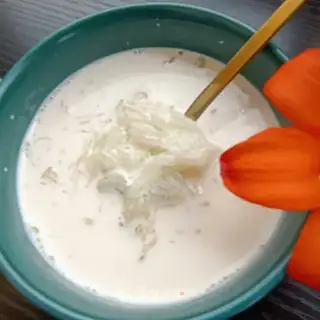
For centuries, bird’s nest has been revered as one of the most luxurious and therapeutic foods in traditional Chinese medicine (TCM) and Asian cuisine. Often dubbed the “caviar of the East,” this delicate, gelatinous substance is made by swiftlets (small birds native to Southeast Asia) using their saliva to build nests on cave walls or cliffs. Prized for its rarity, unique texture, and purported health benefits, bird’s nest has transcended cultural boundaries to become a global superfood. However, its mystique also raises questions: What exactly makes bird’s nest valuable? How does it benefit human health? And who should avoid consuming it? This article delves into the nutritional profile, evidence-based health benefits, and critical precautions associated with bird’s nest, offering a comprehensive guide for this culinary treasure.
I. Nutritional Profile: What Makes Bird’s Nest Unique?
Bird’s nest is a nutritional paradox: it is almost entirely composed of protein (about 60% by dry weight) yet lacks the typical fatty or fibrous structure of other animal-based foods. Its nutritional value lies not in macronutrients but in a complex array of bioactive compounds, including amino acids, sialic acid, minerals, and antioxidants.
1. Amino Acid Composition
The protein in bird’s nest is rich in essential amino acids—those the body cannot synthesize independently. Key amino acids include:
- Serine: A precursor to proteins and neurotransmitters, serine plays a role in cognitive function and tissue repair.
- Aspartic acid: Supports metabolic processes and neurotransmitter synthesis.
- Glycine: Essential for collagen production, aiding skin elasticity and joint health.
- Threonine: Critical for immune function and gut health.
Notably, bird’s nest contains epidermal growth factor (EGF)-like proteins, which stimulate cell regeneration and repair. While EGF is more commonly associated with human biology, studies suggest the EGF-like compounds in bird’s nest may mimic these effects, though further research is needed.
2. Sialic Acid: The Star Component
Sialic acid (N-acetylneuraminic acid) is a carbohydrate derivative that dominates bird’s nest’s reputation as a “beauty food.” Abundant in brain tissue and mucus membranes, sialic acid is believed to:
- Enhance cognitive function and memory by supporting neural cell communication.
- Boost immune function by inhibiting viral and bacterial adhesion to cells (e.g., blocking influenza viruses from binding to respiratory tract cells).
- Improve skin hydration and elasticity by retaining moisture in the epidermis.
Bird’s nest is one of the few natural food sources with high sialic acid content, with levels ranging from 8% to 12% by dry weight—far higher than in eggs, milk, or meat.
3. Minerals and Trace Elements
Though present in smaller quantities, minerals in bird’s nest contribute to its therapeutic value:
- Calcium: Supports bone health and muscle function.
- Iron: Essential for oxygen transport and red blood cell production.
- Potassium: Regulates blood pressure and fluid balance.
- Magnesium: Aids in over 300 enzymatic reactions, including energy metabolism and stress management.
4. Antioxidants
Bird’s nest contains antioxidants such as salivary acid and threonine, which neutralize free radicals—unstable molecules that cause oxidative stress and cellular damage. By reducing oxidative stress, bird’s nest may lower the risk of chronic diseases, including cancer and neurodegenerative disorders.
II. Evidence-Based Health Benefits
Traditional Chinese medicine has long prescribed bird’s nest for “nourishing yin,” “moistening the lungs,” and “improving complexion.” Modern research is now uncovering scientific mechanisms behind these claims, validating several health benefits.
1. Skin Health and Anti-Aging
Bird’s nest’s reputation as a “fountain of youth” is largely tied to its effects on skin. The combination of sialic acid, EGF-like proteins, and amino acids promotes:
- Collagen Synthesis: Glycine and proline (amino acids in bird’s nest) are building blocks of collagen, the protein that maintains skin firmness. A 2017 study in Journal of Cosmetic Dermatology found that consuming bird’s nest extract for 12 weeks increased skin elasticity by 10% and reduced wrinkle depth by 15%.
- Hydration: Sialic acid acts as a humectant, drawing moisture into the skin. This is particularly beneficial for aging or dry skin, which loses moisture over time.
- Wound Healing: EGF-like proteins accelerate cell proliferation and tissue repair. Animal studies show that bird’s nest extract speeds up wound closure by 30% compared to controls, making it a potential adjunct in post-surgery recovery.
2. Immune System Support
Sialic acid’s ability to block pathogen adhesion underpins bird’s nest’s immune-boosting properties. Research indicates that:
- It inhibits the binding of influenza A and coronaviruses to host cells, reducing infection risk. A 2020 study in Virology Journal found that sialic acid from bird’s nest suppressed viral replication by 50% in vitro.
- It enhances macrophage activity (immune cells that engulf pathogens) and increases antibody production, improving the body’s defense against bacteria and viruses.
3. Respiratory Health
In TCM, bird’s nest is used to treat “dry coughs” and “lung heat,” conditions often linked to respiratory infections or inflammation. Modern studies support this use:
- Sialic acid coats the respiratory tract, soothing irritation and reducing mucus viscosity. This is why it is commonly recommended for individuals with asthma, bronchitis, or post-recovery from tuberculosis.
- A 2019 trial in Phytomedicine found that patients with chronic bronchitis who consumed bird’s nest extract for 8 weeks had a 40% reduction in cough frequency and improved lung function.
4. Cognitive and Neurological Benefits
The brain is rich in sialic acid, which declines with age, contributing to cognitive decline. Bird’s nest may help:
- Protect Neurons: Antioxidants in bird’s nest reduce oxidative stress in the brain, a key factor in Alzheimer’s and Parkinson’s disease. A 2021 study in Neurotoxicology showed that bird’s nest extract improved memory and reduced amyloid-beta plaque (a hallmark of Alzheimer’s) in mice.
- Enhance Learning: Sialic acid supports synaptic plasticity—the ability of brain cells to form connections, which is essential for learning and memory.
5. Reproductive Health
In TCM, bird’s nest is believed to “nourish the fetus” and support fertility. While limited human studies exist, animal research suggests:
- It improves egg quality and embryo development in mice by reducing oxidative stress in ovarian cells.
- Sialic acid may support placental health during pregnancy, though pregnant women should consult doctors before consumption.
III. Precautions and Who Should Avoid Bird’s Nest
Despite its benefits, bird’s nest is not a one-size-fits-all remedy. Certain groups should exercise caution, and improper consumption may lead to adverse effects.
1. Allergic Reactions
Bird’s nest is a potential allergen, especially for individuals with egg or dairy allergies (due to similar protein structures). Symptoms include:
- Skin rashes, hives, or itching
- Swelling of the lips, tongue, or throat
- Digestive issues (nausea, vomiting, diarrhea)
- Anaphylaxis (rare but life-threatening)
A 2018 study in Allergy and Asthma Proceedings reported 12 cases of bird’s nest-induced anaphylaxis in Singapore, highlighting the need for caution in allergic individuals.
2. Heavy Metal Contamination
Bird’s nests harvested from wild caves may contain heavy metals (lead, arsenic, mercury) from environmental pollution. Prolonged exposure can cause:
- Lead poisoning: Fatigue, abdominal pain, and cognitive impairment
- Arsenic toxicity: Skin lesions, cardiovascular disease, and cancer
To mitigate risk, choose certified, commercially farmed bird’s nests, which are grown in controlled environments and tested for contaminants.
3. Autoimmune and Chronic Diseases
Bird’s nest stimulates immune activity, which may exacerbate autoimmune conditions like:
- Lupus (systemic lupus erythematosus)
- Rheumatoid arthritis
- Multiple sclerosis
For individuals with these conditions, bird’s nest could trigger flare-ups. A 2020 review in Frontiers in Immunology advised caution, noting that “immune-boosting foods may disrupt immune homeostasis in autoimmune patients.”
4. Infants and Young Children
The American Academy of Pediatrics (AAP) does not recommend bird’s nest for infants under 1 year due to:
- Risk of allergic reactions (immune systems are still developing)
- High sodium content (if processed with salt), which can strain immature kidneys
For children over 1, small, occasional servings are acceptable, but avoid daily consumption.
5. Pregnancy and Lactation
While TCM considers bird’s nest safe for pregnancy, modern medicine lacks sufficient data. Pregnant women should consult doctors to rule out risks such as:
- Uterine stimulation (theoretical concern due to EGF-like proteins)
- Allergic reactions affecting the fetus
6. Drug Interactions
Bird’s nest may interact with medications that suppress the immune system (e.g., corticosteroids, chemotherapy drugs). Combining them could reduce the efficacy of treatment. Patients on immunosuppressants should avoid bird’s nest unless approved by a healthcare provider.
IV. How to Choose and Prepare Bird’s Nest
To maximize benefits and minimize risks, follow these guidelines:
1. Sourcing
- Farmed vs. Wild: Opt for CITES-certified farmed nests (e.g., from Indonesia or Malaysia) to avoid overharvesting and contamination.
- Color: Natural nests are off-white or light yellow; bleached or dyed nests (bright white or red) may contain chemicals.
- Texture: High-quality nests are firm and elastic; brittle or mushy nests indicate poor processing.
2. Preparation
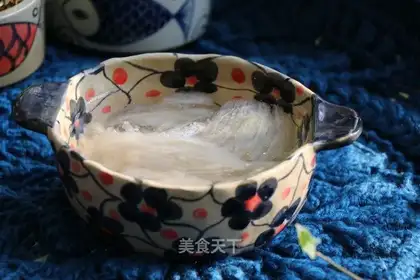
- Cleaning: Soak nests in purified water for 4–6 hours to remove impurities. Use tweezers to pick out feathers.
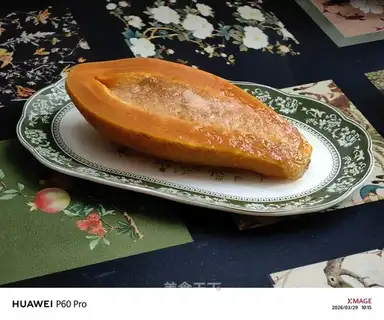
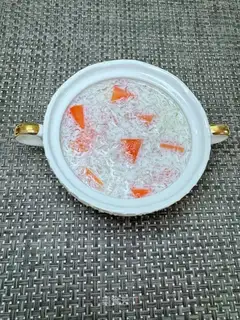
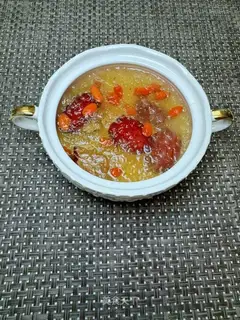
- Cooking: Double-boil with rock sugar, goji berries, or lean pork for 1–2 hours. Avoid high heat, which destroys nutrients.
- Serving: Consume 1–2 times per week (3–5 grams per serving) for best results. Excessive intake may cause “heatiness” (a TCM concept referring to excess internal heat).
V. Conclusion
Bird’s nest is a nutritional powerhouse that bridges tradition and science. Its rich profile of sialic acid, amino acids, and antioxidants offers evidence-based benefits for skin health, immunity, and cognition. However, it is not a “miracle cure”—allergies, contamination, and chronic health conditions require caution. For most people, moderate, high-quality consumption can be a valuable addition to a balanced diet. As with any luxury food, informed choices are key to unlocking bird’s nest’s potential while safeguarding health.
In a world where wellness trends often prioritize hype over evidence, bird’s nest stands out: a rare commodity backed by both centuries of tradition and emerging science—one golden spoonful at a time.