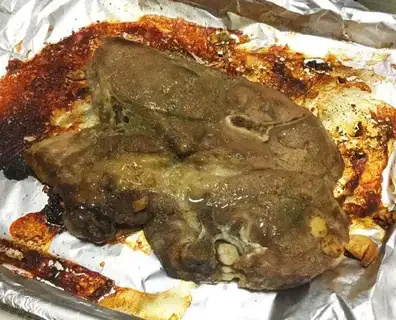
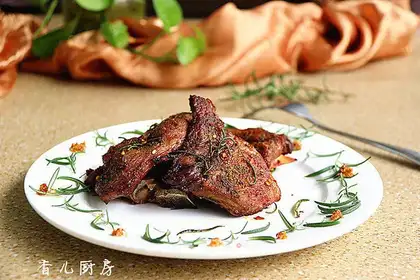
Lamb has been a staple in diets across cultures for millennia, prized for its rich flavor, tender texture, and versatility in cooking. Among the various cuts, lamb shoulder—often referred to as "shoulder chop" or "blade roast"—stands out as a particularly valuable and nutrient-dense portion. Derived from the upper foreleg of the lamb, this cut is well-marbled with fat and connective tissue, making it ideal for slow cooking, braising, or roasting. Beyond its culinary appeal, lamb shoulder offers a impressive array of nutritional benefits, but it also requires mindful consumption to align with individual health needs. This article explores the nutritional profile, health benefits, and potential dietary considerations of lamb shoulder, providing a comprehensive guide for incorporating this wholesome cut into a balanced diet.
Nutritional Profile of Lamb Shoulder
Lamb shoulder is a nutritional powerhouse, packed with high-quality protein, essential vitamins, and minerals that support overall health. A 100-gram (3.5-ounce) serving of cooked lamb shoulder (trimmed of visible fat) contains approximately:
- Protein: 25–30 grams, providing all nine essential amino acids necessary for muscle repair, immune function, and enzyme production. Protein is particularly vital for athletes, growing children, and older adults to maintain muscle mass.
- Healthy Fats: While lamb is often perceived as high in fat, the shoulder cut contains a balanced mix of saturated, monounsaturated, and polyunsaturated fats, including conjugated linoleic acid (CLA). CLA, a unique fatty acid found in ruminant meats, has been studied for its potential role in weight management and heart health.
- Vitamins:
- Vitamin B12: Essential for nerve function, DNA synthesis, and red blood cell formation; a single serving of lamb shoulder can provide over 100% of the daily recommended intake.
- Niacin (B3): Supports energy metabolism and skin health.
- Vitamin B6: Crucial for brain development and neurotransmitter regulation.
- Vitamin D: Present in smaller amounts, but still contributes to bone health and immune function.
- Minerals:
- Iron: Heme iron, the type found in lamb, is highly bioavailable and more easily absorbed than non-heme iron from plant sources. A serving provides about 15–20% of the daily iron requirement, making it beneficial for individuals with anemia or iron deficiency.
- Zinc: Supports immune function, wound healing, and DNA synthesis. Lamb shoulder is one of the best dietary sources of zinc, with a single meeting 30–40% of daily needs.
- Selenium: A powerful antioxidant that protects cells from damage and supports thyroid function.
- Phosphorus: Works with calcium to maintain strong bones and teeth.
Additionally, lamb shoulder is rich in creatine and carnosine, compounds that support muscle performance and reduce oxidative stress, respectively. Its fat content, when trimmed appropriately, can fit into a heart-healthy diet, especially when sourced from grass-fed lambs, which tend to have higher levels of omega-3 fatty acids and antioxidants.
Health Benefits of Consuming Lamb Shoulder
The nutrient density of lamb shoulder translates to a range of health benefits, from physical vitality to long-term disease prevention.
1. Supports Muscle Maintenance and Growth
The high-quality protein in lamb shoulder is rich in leucine, an amino acid that stimulates muscle protein synthesis (MPS). This makes it an excellent choice for athletes, older adults (to combat sarcopenia), and individuals recovering from illness or injury. The combination of protein and creatine further enhances muscle strength and endurance.
2. Boosts Immune Function
Lamb shoulder is a top source of zinc and selenium, two minerals critical for a robust immune system. Zinc deficiency impairs immune cell activity, increasing susceptibility to infections, while selenium enhances the production of antibodies and antioxidant enzymes that protect against cellular damage. Regular consumption can help the body defend against pathogens and reduce inflammation.
3. Prevents Iron Deficiency Anemia
Iron deficiency is one of the most common nutritional deficiencies worldwide, leading to fatigue, weakness, and cognitive impairment. Heme iron in lamb shoulder is absorbed 2–3 times more efficiently than non-heme iron from plants, making it a reliable choice for individuals at risk of anemia, such as pregnant women, women of childbearing age, and vegetarians who occasionally incorporate meat into their diets.
4. Promotes Brain Health
Lamb shoulder is rich in vitamin B12, a nutrient essential for maintaining the myelin sheath that protects nerve fibers. B12 deficiency can lead to cognitive decline, memory loss, and neuropathy. Additionally, omega-3 fatty acids (in grass-fed lamb) and choline (present in smaller amounts) support brain function and may reduce the risk of neurodegenerative diseases like Alzheimer’s.
5. Enhances Energy Metabolism
The B vitamins in lamb shoulder—particularly B6, B12, and niacin—play a key role in converting food into energy. They help break down carbohydrates, fats, and proteins, ensuring the body efficiently utilizes nutrients for daily activities. This is especially beneficial for individuals with high energy demands, such as athletes or busy professionals.
6. Supports Bone Health
Lamb shoulder provides a significant amount of phosphorus and calcium, minerals that work together to maintain bone density and strength. Phosphorus also aids in cellular repair and energy production, making it vital for overall skeletal health, especially in children and older adults.
Potential Risks and Dietary Considerations
While lamb shoulder offers numerous health benefits, it is important to consume it in moderation and mindfully, as certain factors may pose risks for some individuals.
1. Saturated Fat and Heart Health
Lamb shoulder is higher in saturated fat than lean cuts like sirloin or tenderloin. Excessive saturated fat intake has been linked to elevated LDL (bad) cholesterol and an increased risk of heart disease. To mitigate this, opt for leaner cuts, trim visible fat before cooking, and limit portion sizes (3–4 ounces per serving). Grass-fed lamb is a healthier choice, as it contains more monounsaturated fats and omega-3s, which support heart health.
2. Purine Content and Gout
Lamb is high in purines, natural compounds that break down into uric acid. In individuals with gout or hyperuricemia, high purine intake can trigger painful flare-ups by increasing uric acid levels. Those with gout should avoid lamb shoulder or consume it sparingly, prioritizing low-purine foods like fish, poultry, and plant-based proteins.
3. Sodium and Processed Preparations
Some lamb shoulder preparations, such as marinated or cured cuts (e.g., lamb jerky), may contain high levels of sodium, which can contribute to high blood pressure and cardiovascular issues. To minimize sodium intake, choose fresh, unseasoned lamb shoulder and flavor it with herbs, spices, and citrus instead of salt-based marinades.
4. Allergies and Sensitivities
While rare, some individuals may be allergic to lamb meat, experiencing symptoms like hives, digestive upset, or anaphylaxis. Additionally, those with sensitivities to alpha-gal (a sugar molecule found in red meat) may experience delayed allergic reactions, such as itching or swelling, after consuming lamb.
5. Environmental and Ethical Concerns
Lamb production has a higher environmental footprint than other meats due to the methane emissions from sheep and the land required for grazing. Consumers can reduce their impact by choosing sustainably sourced lamb, such as grass-fed, organic, or locally raised options. Ethical considerations, such as animal welfare standards, should also guide purchasing decisions.
How to Incorporate Lamb Shoulder into a Healthy Diet
To maximize the benefits of lamb shoulder while minimizing risks, follow these tips:
- Choose Lean Cuts: Opt for shoulder chops or roasts with minimal visible fat, and trim any excess fat before cooking.
- Cook Healthily: Use low-fat cooking methods like grilling, baking, or roasting with vegetables, rather than frying. Braising with herbs and broth can also enhance flavor without adding excessive fat.
- Balance with Plant-Based Foods: Pair lamb shoulder with fiber-rich vegetables (e.g., broccoli, spinach, and bell peppers) and whole grains (e.g., quinoa or brown rice) to create a balanced meal that supports digestion and overall health.
- Control Portions: Stick to 3–4 ounce servings (about the size of a deck of cards) to limit calorie and saturated fat intake.
- Rotate Proteins: Include a variety of protein sources in your diet, such as poultry, fish, legumes, and tofu, to ensure a diverse nutrient intake and reduce reliance on red meat.
Conclusion
Lamb shoulder is a nutrient-dense cut that offers a wealth of health benefits, from supporting muscle growth and immune function to preventing iron deficiency and promoting brain health. Its rich flavor and versatility make it a favorite in cuisines worldwide, but mindful consumption is key to reaping its rewards without potential risks. By choosing lean, high-quality lamb, preparing it healthily, and balancing it with plant-based foods, individuals can enjoy this delicious cut as part of a balanced and nutritious diet. Whether slow-roasted to tenderness or grilled for a quick meal, lamb shoulder is a culinary and nutritional gem that, when enjoyed in moderation, can contribute to long-term health and well-being.