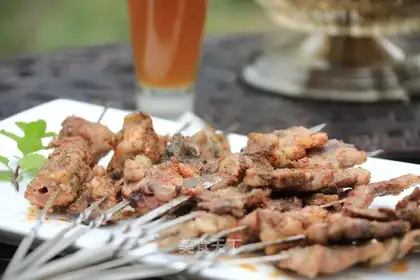
Sheep tail fat, a prized culinary ingredient in many cultures, particularly across the Middle East, Central Asia, and parts of Northern China, has long been valued not only for its rich flavor and culinary versatility but also for its purported health benefits. Often referred to as "tail fat" or "alya" in Arabic, this unique fat deposit from the tail of sheep is distinct from other animal fats due to its high melting point, creamy texture, and complex composition. While modern nutrition science has shed new light on its properties, sheep tail fat has been a staple in traditional diets for centuries, revered for its ability to provide energy, support immune function, and enhance nutrient absorption. However, like all animal fats, it must be consumed mindfully to avoid potential health risks. This article explores the nutritional profile of sheep tail fat, its evidence-based health benefits, and important precautions for safe consumption.
Nutritional Composition of Sheep Tail Fat
Sheep tail fat is primarily composed of saturated, monounsaturated, and polyunsaturated fatty acids, with a unique ratio that sets it apart from fats like beef tallow or lard. On average, it contains about 50-70% saturated fats, 30-40% monounsaturated fats (including oleic acid, the same heart-healthy fat found in olive oil), and small amounts of polyunsaturated fats, such as linoleic acid (an omega-6 fatty acid). This balance makes it more stable at high temperatures than many other fats, reducing the formation of harmful compounds during cooking.
In addition to fats, sheep tail fat is a source of fat-soluble vitamins, including vitamin A, vitamin D, vitamin E, and vitamin K. Vitamin A is crucial for vision, immune function, and skin health, while vitamin D supports bone health and immune regulation. Vitamin E acts as an antioxidant, protecting cells from oxidative damage, and vitamin K plays a key role in blood clotting and bone metabolism.
Trace minerals such as conjugated linoleic acid (CLA), selenium, and zinc are also present in smaller quantities. CLA, a fatty acid found in ruminant meats and dairy, has been studied for its potential anti-inflammatory and weight-management properties. Selenium, a powerful antioxidant, supports thyroid function and DNA synthesis, while zinc is essential for immune health, wound healing, and cell growth.
Calorically, sheep tail fat is dense, providing approximately 900-1000 calories per 100 grams, making it a potent energy source. However, its nutritional value extends beyond mere calories, offering a unique combination of fatty acids and micronutrients that contribute to overall health when consumed as part of a balanced diet.
Health Benefits of Sheep Tail Fat
1. High Energy Source for Active Lifestyles
Sheep tail fat is an excellent source of concentrated energy, making it particularly beneficial for individuals with high energy demands, such as athletes, herders, or those living in cold climates. The high saturated fat content provides a slow and steady release of energy, helping to sustain physical activity and maintain body temperature in harsh environments. In traditional societies, where manual labor was common, sheep tail fat was often incorporated into meals to fuel long hours of work.
2. Supports Nutrient Absorption
Fat is essential for the absorption of fat-soluble vitamins (A, D, E, K) and certain antioxidants. Sheep tail fat’s rich fatty acid profile enhances the bioavailability of these nutrients, ensuring the body can effectively utilize them from other foods. For example, vitamin D, which is critical for calcium absorption and bone health, is better absorbed when consumed with dietary fat. Similarly, vitamin E’s antioxidant properties are amplified when paired with fats like those in sheep tail fat.
3. Anti-Inflammatory and Immune-Boosting Properties
Conjugated linoleic acid (CLA), found in sheep tail fat, has been studied for its anti-inflammatory effects. Research suggests that CLA may help reduce inflammation in the body, potentially lowering the risk of chronic diseases such as heart disease, diabetes, and certain cancers. Additionally, the presence of selenium and zinc supports immune function by enhancing the activity of white blood cells and reducing oxidative stress, which can weaken the immune system over time.
4. Skin and Hair Health
Vitamin A and vitamin E in sheep tail fat are particularly beneficial for skin and hair health. Vitamin A promotes cell turnover and repair, helping to maintain healthy skin and prevent conditions like dryness and acne. Vitamin E, with its antioxidant properties, protects skin cells from damage caused by UV radiation and pollution, while also supporting hair strength and shine. In traditional medicine, sheep tail fat was often applied topically or consumed to treat skin conditions and promote a youthful complexion.
5. Culinary Versatility and Palatability
Beyond its nutritional benefits, sheep tail fat enhances the flavor and texture of dishes, making nutrient-dense foods more palatable. In Middle Eastern and Central Asian cuisines, it is used to flavor rice, stews, and bread, adding a rich, buttery taste that encourages consumption of grains and vegetables. This can be particularly advantageous in regions where access to diverse foods is limited, as it helps maximize the nutritional value of available ingredients.
Precautions and Potential Risks
While sheep tail fat offers several health benefits, its high saturated fat content and calorie density necessitate moderation, especially for individuals with certain health conditions.
1. Heart Health and Saturated Fat Intake
Excessive consumption of saturated fats has been linked to an increased risk of cardiovascular disease, including elevated LDL (bad) cholesterol and atherosclerosis. The American Heart Association recommends limiting saturated fat to less than 10% of daily calories, meaning that a 2,000-calorie diet should include no more than 20 grams of saturated fat per day. Given that 100 grams of sheep tail fat can contain 30-50 grams of saturated fat, overconsumption may pose risks for individuals with pre-existing heart conditions or high cholesterol.
2. Weight Management
Sheep tail fat is calorie-dense, and regular overconsumption can contribute to weight gain and obesity, which are risk factors for diabetes, hypertension, and other chronic diseases. While it can be part of a balanced diet, portion control is essential—particularly for sedentary individuals.
3. Dietary Balance
Relying too heavily on sheep tail fat may displace other nutrient-rich foods, such as fruits, vegetables, whole grains, and lean proteins. A varied diet is crucial for obtaining a wide range of vitamins, minerals, and antioxidants, so sheep tail fat should be viewed as a complementary ingredient rather than a staple.
4. Quality and Preparation
The source and preparation of sheep tail fat significantly impact its healthfulness. Fat from grass-fed sheep tends to have higher levels of omega-3 fatty acids and CLA compared to grain-fed counterparts. Additionally, traditional methods of rendering fat (slow cooking at low temperatures) preserve its nutritional value and reduce the formation of harmful compounds like trans fats, which can occur when fats are overheated or processed.
5. Cultural and Individual Considerations
In some cultures, sheep tail fat is consumed in moderation as part of festive or traditional meals, but it may not be suitable for individuals with dietary restrictions, such as vegans or those following a low-fat diet. Pregnant women, nursing mothers, and individuals with digestive issues should also consult a healthcare provider before incorporating it into their diet.
Conclusion
Sheep tail fat is a nutrient-dense ingredient with a rich history of culinary and medicinal use. Its unique composition of fatty acids, fat-soluble vitamins, and trace minerals offers several health benefits, including enhanced energy absorption, immune support, and improved skin health. However, its high saturated fat and calorie content require mindful consumption, particularly for those with cardiovascular concerns or weight management goals.
When sourced from high-quality, grass-fed animals and prepared using traditional methods, sheep tail fat can be a valuable addition to a balanced diet. By appreciating its cultural significance and nutritional value while practicing moderation, individuals can enjoy this traditional ingredient without compromising their health. As with all foods, the key lies in balance—sheep tail fat is not a "superfood" but a flavorful and nourishing component of a diverse, whole-foods diet.