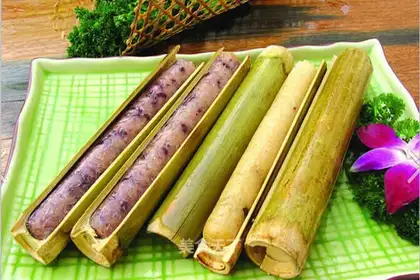
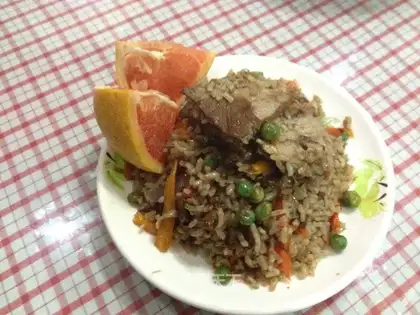
Rice, as a staple food for over half of the world’s population, comes in countless varieties, each with unique flavors and health benefits. Among these, mountain rice—specifically shan lan mi (山兰米) in Chinese, a term often referring to glutinous rice varieties grown in high-altitude regions of Hainan, China—stands out for its exceptional nutritional profile, cultural significance, and therapeutic properties. Grown in the misty, mineral-rich soils of tropical mountains, this heirloom grain has been a dietary cornerstone for local communities for centuries. Today, as global interest in sustainable and nutrient-dense foods grows, mountain rice is gaining recognition beyond its origins. This article explores the nutritional value of mountain rice, its health benefits, and important considerations for consumption.
Nutritional Value: A Profile of Wholesome Goodness
Mountain rice is a whole grain, meaning it retains its bran, germ, and endosperm, making it far more nutritious than refined white rice. Its nutritional composition is a testament to the pristine environment in which it is cultivated—free from synthetic pesticides and enriched by volcanic soil and clean mountain water.
1. Complex Carbohydrates and Dietary Fiber
The primary component of mountain rice is carbohydrates, but unlike refined rice, it is rich in complex carbohydrates. These are digested slowly, providing a steady release of energy and preventing blood sugar spikes. This makes it an ideal choice for individuals managing diabetes or those seeking sustained energy throughout the day. Additionally, mountain rice is high in dietary fiber, particularly in the form of resistant starch, which acts as a prebiotic, feeding beneficial gut bacteria. A 100-gram serving of cooked mountain rice contains approximately 2-3 grams of fiber, contributing to digestive health and promoting satiety.
2. Protein and Amino Acids
While rice is not typically considered a high-protein food, mountain rice contains a more balanced amino acid profile than common white rice. It is particularly rich in lysine and tryptophan, essential amino acids often lacking in cereal grains. Lysine supports immune function and tissue repair, while tryptophan is a precursor to serotonin, a neurotransmitter that regulates mood and sleep. For populations relying on plant-based diets, mountain rice can be a valuable complement to legumes or nuts to create a complete protein profile.
3. Vitamins and Minerals
Mountain rice is a good source of B vitamins, including thiamine (B1), riboflavin (B2), and niacin (B3), which play critical roles in energy metabolism and nervous system health. It also contains minerals such as magnesium, potassium, iron, and zinc. Magnesium supports muscle and nerve function, while potassium helps regulate blood pressure. Iron is essential for oxygen transport in the blood, and zinc boosts immune response. Notably, the mineral content of mountain rice is often higher than that of lowland rice due to the fertile, mineral-rich soils of its growing regions.
4. Antioxidants and Phytochemicals
The bran layer of mountain rice is packed with antioxidants, including phenolic compounds, flavonoids, and tocopherols (vitamin E). These compounds combat oxidative stress by neutralizing free radicals, reducing the risk of chronic diseases such as heart disease, cancer, and neurodegenerative disorders. The deep purple or red varieties of mountain rice, in particular, contain anthocyanins, the pigments responsible for their vibrant colors, which have been linked to improved cognitive function and anti-inflammatory effects.
Health Benefits: More Than Just a Staple Food
The unique nutritional composition of mountain rice translates into a range of health benefits, supported by both traditional use and modern scientific research.
1. Supports Digestive Health
The high fiber and resistant starch content in mountain rice promotes a healthy gut microbiome. Resistant starch passes undigested to the colon, where it is fermented by beneficial bacteria, producing short-chain fatty acids (SCFAs) like butyrate. Butyrate is a key energy source for colon cells, helping to maintain the integrity of the intestinal barrier and reduce inflammation. This makes mountain rice beneficial for preventing constipation, irritable bowel syndrome (IBS), and even colorectal cancer.
2. Regulates Blood Sugar and Reduces Diabetes Risk
Due to its low glycemic index (GI)—typically 55 or lower—mountain rice causes a slower, more gradual increase in blood sugar compared to high-GI foods like white bread or polished rice. This helps improve insulin sensitivity and reduces the risk of type 2 diabetes. A study published in the Journal of Medicinal Food found that replacing refined rice with whole-grain varieties like mountain rice led to significant improvements in blood sugar control in diabetic patients.
3. Boosts Heart Health
The fiber, magnesium, and potassium in mountain rice contribute to cardiovascular health. Fiber helps lower LDL (“bad”) cholesterol levels, while magnesium and potassium regulate blood pressure by relaxing blood vessels. Additionally, the antioxidants in mountain rice reduce oxidative stress in the arteries, preventing the formation of plaque and lowering the risk of atherosclerosis.
4. Enhances Immune Function
Mountain rice is a good source of zinc and selenium, minerals critical for immune function. Zinc supports the development and activation of immune cells, while selenium acts as an antioxidant, protecting cells from damage. Regular consumption of mountain rice can help strengthen the body’s defenses against infections and diseases.
5. Promotes Weight Management
The high fiber and protein content of mountain rice promotes satiety, reducing overall calorie intake. Unlike refined grains, which can lead to overeating due to rapid digestion, mountain rice keeps you feeling full longer, making it a valuable tool for weight management. A 2019 study in Obesity Reviews found that whole-grain rice consumption was associated with a lower body mass index (BMI) and reduced risk of obesity.
6. Supports Bone Health
Mountain rice contains several minerals essential for bone health, including magnesium, phosphorus, and calcium. Magnesium aids in calcium absorption and plays a role in bone formation, while phosphorus is a key component of hydroxyapatite, the mineral matrix that gives bones their strength. Regular consumption of mountain rice can help prevent osteoporosis, especially in older adults.
食用禁忌 (Consumption Considerations and Precautions)
While mountain rice offers numerous health benefits, there are certain considerations to keep in mind to ensure safe and optimal consumption.
1. High in Carbohydrates: Moderation for Low-Carb Diets
Though complex carbohydrates are beneficial, individuals following strict low-carb or ketogenic diets should consume mountain rice in moderation. A 100-gram serving of cooked mountain rice contains approximately 28 grams of net carbs, which may exceed the daily limits of such diets.
2. Gluten-Free but May Contain Traces
Mountain rice is naturally gluten-free, making it a safe option for individuals with celiac disease or gluten sensitivity. However, cross-contamination can occur during processing or transportation if the rice is stored or milled alongside gluten-containing grains (e.g., wheat or barley). Those with severe gluten intolerance should look for certified gluten-free mountain rice.
3. Phytic Acid Content: May Reduce Mineral Absorption
Like all whole grains, mountain rice contains phytic acid, an antinutrient that can bind to minerals like iron, zinc, and calcium, reducing their absorption. To minimize this effect, soak the rice overnight before cooking or opt for fermented products (e.g., rice wine or sourdough bread made from mountain rice), as fermentation reduces phytic acid levels.
4. High Arsenic Levels in Some Varieties
Rice, in general, is prone to accumulating arsenic from soil and water, a concern for long-term health. While mountain rice grown in uncontaminated, high-altitude regions typically has lower arsenic levels, it is advisable to:
- Rinse thoroughly before cooking to remove surface arsenic.
- Cook with excess water (6:1 water-to-rice ratio) and discard the leftover water, as arsenic is water-soluble.
- Diversify grains and avoid relying solely on rice in the diet.
5. Caloric Density: Portion Control for Weight Management
While mountain rice supports weight management due to its fiber content, it is still calorie-dense (approximately 130 calories per 100 grams cooked). Overconsumption can lead to weight gain, so portion control is key. A standard serving size is ½ cup (cooked) or about 100 grams.
6. Not Suitable for Everyone: Individual Health Conditions
Individuals with certain health conditions should exercise caution:
- Kidney Disease: The high potassium content in mountain rice may be harmful to those with impaired kidney function, as their kidneys may not excrete excess potassium efficiently.
- Gastrointestinal Issues: The high fiber content can exacerbate symptoms in individuals with active Crohn’s disease or diverticulitis during flare-ups. A low-fiber diet may be recommended temporarily.
Conclusion: A Timeless Superfood for Modern Health
Mountain rice is more than just a staple food—it is a nutritional powerhouse that embodies the harmony between nature and human health. Grown in the purest environments and packed with complex carbohydrates, fiber, vitamins, minerals, and antioxidants, it offers a wide range of benefits, from improved digestion and heart health to enhanced immunity and weight management. While moderation and mindful preparation are key to maximizing its benefits and minimizing risks, mountain rice stands as a testament to the value of traditional, sustainable foods in a modern world.
As consumers increasingly seek out nutrient-dense, eco-friendly options, mountain rice is poised to become a global favorite. Whether enjoyed as a simple steamed grain, a sweet dessert (like hainanese coconut rice), or a fermented delicacy, this humble grain continues to nourish bodies and connect us to the land from which it comes. In a world of processed foods and fad diets, mountain rice reminds us that true wellness often lies in the simplest, most natural gifts of the earth.