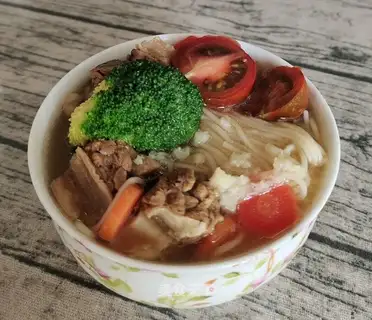
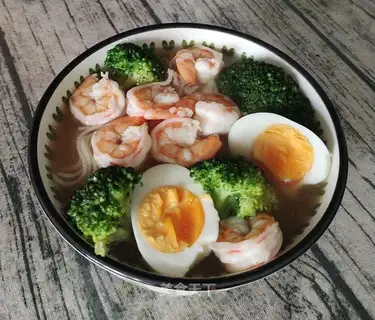
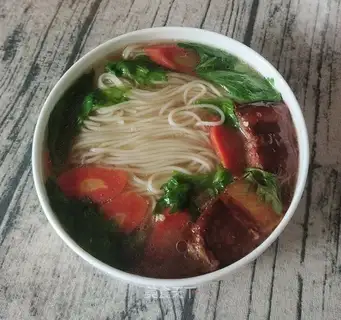
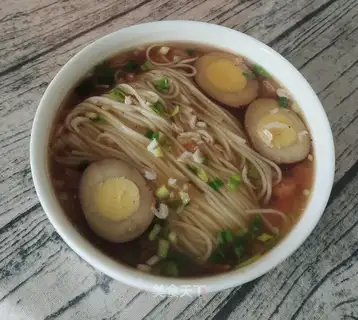
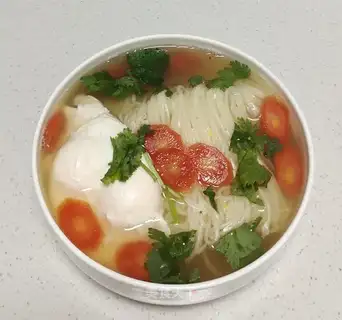
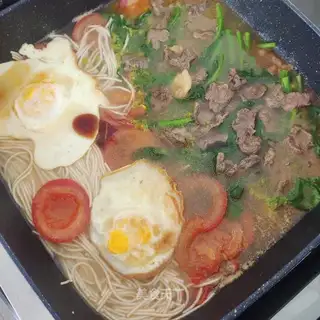
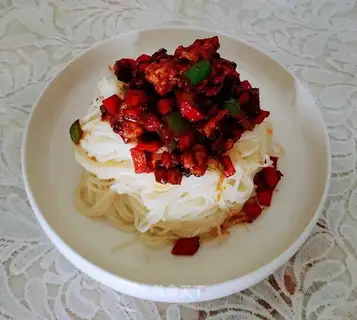
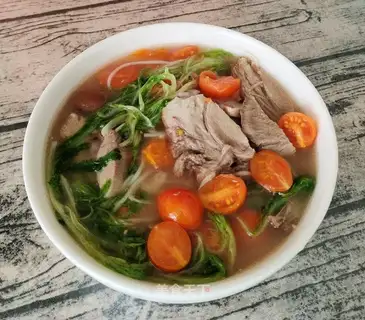
Dried noodles, a staple food in cultures worldwide, have sustained civilizations for centuries. From Italian pasta to Chinese mian tiao, their versatility, convenience, and long shelf life make them a pantry essential. While often perceived as a simple carbohydrate source, dried noodles offer surprising nutritional benefits when chosen and prepared wisely. This article explores the nutritional profile of dried noodles, their health benefits, and important precautions to maximize their value in a balanced diet.
Nutritional Value of Dried Noodles
The nutritional composition of dried noodles varies based on ingredients, but most are primarily made from wheat flour, water, and sometimes salt or eggs. Whole wheat or fortified varieties enhance their nutritional density, offering a blend of macronutrients, micronutrients, and dietary fiber.
1. Carbohydrates: Primary Energy Source
Dried noodles are rich in complex carbohydrates, the body’s preferred fuel for daily activities. A 100-gram serving of cooked wheat noodles provides approximately 30–40 grams of carbohydrates, including starch and small amounts of resistant starch (a type of fiber that supports gut health). Carbohydrates break down into glucose, providing energy for the brain, muscles, and organs, making dried noodles a practical choice for athletes or individuals with high energy demands.
2. Protein: Plant-Based Building Blocks
While not as protein-dense as legumes or meat, dried noodles contribute moderate protein, especially if made with egg or whole wheat. A 100-gram serving of cooked egg noodles contains 8–10 grams of protein, while wheat noodles provide 6–8 grams. Protein is essential for tissue repair, immune function, and enzyme production. For vegetarians or vegans, combining dried noodles with plant-based proteins (e.g., beans, tofu, or lentils) creates a complete amino acid profile.
3. Dietary Fiber: Gut Health and Satiety
Refined wheat noodles are low in fiber, but whole wheat or multigrain varieties retain bran and germ, boosting fiber content. A 100-gram serving of cooked whole wheat noodles offers 4–6 grams of fiber, compared to 1–2 grams in refined versions. Fiber promotes digestive regularity, prevents blood sugar spikes, and enhances satiety, aiding weight management. It also feeds beneficial gut bacteria, supporting overall microbiome health.
4. Micronutrients: Fortified and Naturally Present
Dried noodles are often fortified with key nutrients. Many commercial brands add B vitamins (thiamin, riboflavin, niacin, and folic acid), which are crucial for energy metabolism and red blood cell formation. Iron, another common fortification, helps prevent anemia by supporting oxygen transport in the blood. Whole wheat varieties naturally contain magnesium (for muscle and nerve function), zinc (for immune health), and trace minerals like selenium and manganese.
5. Low in Fat and Sodium
Unflavored dried noodles are naturally low in fat (typically 1–2 grams per 100 grams cooked), making them suitable for low-fat diets. However, sodium content varies: a 100-gram serving of plain cooked noodles contains 50–100 milligrams of sodium, but instant or flavored varieties may add 300–800 milligrams due to seasoning packets. Excess sodium can contribute to hypertension, so opting for low-sodium or unflavored varieties is advisable.
Health Benefits of Dried Noodles
When incorporated into a balanced diet, dried noodles offer several health benefits, from sustained energy to digestive support.
1. Sustained Energy Release
The complex carbohydrates in dried noodles provide slow, steady glucose release, preventing energy crashes associated with simple sugars (e.g., sugary snacks). This makes them an ideal pre-workout meal or a source of long-lasting energy for students or professionals.
2. Supports Digestive Health
Whole wheat and high-fiber dried noodles promote bowel regularity by adding bulk to stool and feeding gut bacteria. A healthy microbiome, supported by fiber, is linked to reduced inflammation, improved immunity, and a lower risk of digestive disorders like diverticulitis.
3. Weight Management Aid
The fiber and protein in dried noodles enhance satiety, reducing overall calorie intake by curbing hunger. Studies show that meals combining complex carbs and protein (e.g., noodles with vegetables and lean protein) keep individuals full longer than meals high in refined carbs or fats. This can help prevent overeating and support weight loss or maintenance goals.
4. Fortification for Nutrient Gaps
For populations at risk of nutrient deficiencies (e.g., pregnant women, older adults, or those with limited diets), fortified dried noodles provide essential vitamins and minerals. Folic acid, for example, is critical during pregnancy to prevent neural tube defects, while iron supports oxygenation in individuals with anemia.
5. Versatility for Balanced Meals
Dried noodles serve as a neutral base for nutrient-dense additions. Pairing them with vegetables (e.g., spinach, carrots, bell peppers) boosts vitamins A, C, and K; adding lean proteins (e.g., chicken, fish, or tofu) enhances satiety and amino acid intake; and healthy fats (e.g., olive oil or avocado) support brain and heart health. This versatility makes dried noodles a tool for creating balanced, affordable meals.
Precautions and Considerations
While dried noodles offer nutritional benefits, certain factors must be considered to avoid health risks.
1. Refined vs. Whole Grain Varieties
Refined wheat noodles, stripped of bran and germ, are low in fiber and micronutrients. Regular consumption may contribute to blood sugar spikes, increased hunger, and a higher risk of chronic diseases like type 2 diabetes and heart disease. Opt for whole wheat, multigrain, or legume-based (e.g., chickpea) noodles to maximize fiber and nutrient content.
2. Sodium Awareness
Instant and flavored dried noodles often contain excessive sodium due to seasoning packets. The World Health Organization recommends limiting sodium intake to less than 2 grams (5 grams of salt) per day. High sodium consumption is a major risk factor for hypertension, stroke, and kidney disease. To reduce sodium: rinse cooked noodles, use half the seasoning packet, or opt for unflavored varieties and add herbs, spices, or low-sodium sauces instead.
3. Glycemic Index (GI) Concerns
Refined dried noodles have a high GI, meaning they cause rapid spikes in blood sugar. Individuals with diabetes or insulin resistance should choose low-GI options (e.g., whole wheat, buckwheat, or lentil noodles) and pair them with protein, healthy fats, and fiber to slow glucose absorption.
4. Portion Control
While dried noodles are a source of energy, overconsumption can lead to excess calorie intake, especially when paired with high-calorie sauces (e.g., creamy Alfredo or sweet and sour) or fried toppings. A standard portion is 40–60 grams of dried noodles (60–100 grams cooked), but this should be adjusted based on individual calorie needs.
5. Additives and Preservatives
Some commercial dried noodles contain additives like artificial colors, preservatives (e.g., potassium sorbate), or emulsifiers to extend shelf life. While these are generally recognized as safe, some people may experience sensitivities. Choosing brands with minimal ingredients or organic varieties reduces exposure to unnecessary additives.
6. Gluten Sensitivity
Traditional dried noodles made from wheat contain gluten, a protein that triggers adverse reactions in individuals with celiac disease or gluten sensitivity. For those with gluten intolerance, gluten-free alternatives (e.g., rice, corn, quinoa, or buckwheat noodles) are safe options.
Conclusion
Dried noodles are more than a convenient meal—they are a versatile, nutrient-dense food that can support health when chosen and prepared mindfully. Whole wheat and fortified varieties offer fiber, protein, and essential micronutrients, while their low fat content and adaptability make them suitable for various dietary needs. However, caution is needed: refined varieties, excessive sodium, and large portions can undermine their benefits. By prioritizing whole grains, controlling sodium, pairing with nutrient-rich ingredients, and practicing portion control, dried noodles can be a valuable part of a balanced diet, bridging tradition and modern nutrition for generations to come.