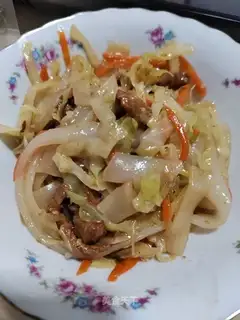
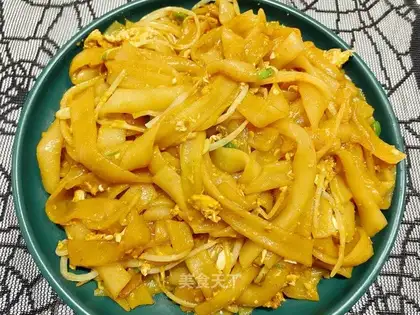
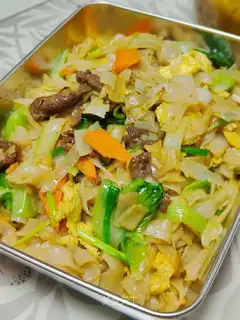
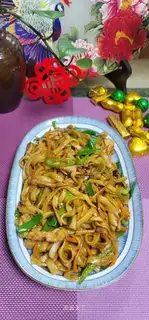
Rice noodles, a staple in Asian cuisine for centuries, are celebrated for their delicate texture, versatility, and mild flavor. Made from rice flour and water, these noodles have transcended cultural boundaries to become a global favorite. Beyond their culinary appeal, rice noodles offer a range of nutritional benefits, but like any food, they must be consumed mindfully to maximize their advantages. This article explores the nutritional profile of rice noodles, their health benefits, and important precautions to consider when incorporating them into a diet.
Nutritional Value of Rice Noodles
Rice noodles are primarily composed of carbohydrates, making them a rich source of energy. However, their nutritional composition varies slightly based on the type of rice used (e.g., white rice, brown rice) and whether they are fortified with additional nutrients. A typical 100-gram serving of cooked rice noodles contains approximately:
- Carbohydrates: 25–30 grams, mostly in the form of starch, which provides quick energy for daily activities.
- Protein: 2–3 grams, a modest amount compared to wheat-based noodles or legumes.
- Fat: Less than 1 gram, making them a low-fat option, especially when prepared without added oils.
- Dietary Fiber: 1–2 grams, though whole-grain or brown rice noodles contain slightly more due to the retention of the bran and germ.
- Micronutrients: Rice noodles are naturally low in vitamins and minerals but may be fortified with iron, thiamine (vitamin B1), or folic acid in some regions. For example, iron-fortified varieties can help prevent anemia, while B vitamins support metabolism and energy production.
One of the key nutritional advantages of rice noodles is their gluten-free nature. Unlike wheat-based pasta, they are safe for individuals with celiac disease or gluten sensitivity, making them an excellent alternative for those with gluten-related disorders.
Health Benefits of Rice Noodles
The unique nutritional profile of rice noodles contributes to several health benefits, ranging from digestive support to heart health.
1. Gluten-Free and Gut-Friendly
As a naturally gluten-free food, rice noodles are ideal for people with celiac disease, non-celiac gluten sensitivity, or wheat allergies. Gluten can trigger digestive issues such as bloating, diarrhea, and abdominal pain in sensitive individuals. By replacing wheat-based products with rice noodles, these individuals can enjoy noodle dishes without discomfort. Additionally, the low fiber content in white rice noodles makes them easy to digest, making them a suitable choice for people with digestive disorders like irritable bowel syndrome (IBS) or during recovery from illness.
2. Energy Boosting
The high carbohydrate content in rice noodles makes them an efficient energy source. Carbohydrates are broken down into glucose, which is the body’s preferred fuel for both physical and mental activities. For athletes, laborers, or anyone needing a quick energy boost, rice noodles can provide sustained energy without the heaviness of fatty foods.
3. Weight Management Support
When prepared with minimal oil and paired with nutrient-dense ingredients like vegetables, lean proteins, and herbs, rice noodles can be part of a balanced weight management plan. Their low-fat content and moderate calorie count (around 130–150 calories per 100 grams cooked) make them a lighter alternative to calorie-dense noodles like ramen or egg noodles. However, portion control is key, as excessive carbohydrate intake—especially when combined with high-calorie sauces or toppings—can contribute to weight gain.
4. Heart Health
While rice noodles themselves are not a significant source of heart-healthy nutrients, their low saturated fat content makes them a heart-friendly choice when incorporated into a low-fat diet. For enhanced cardiovascular benefits, pair them with omega-3-rich fish (e.g., salmon), antioxidant-packed vegetables (e.g., broccoli, bell peppers), and healthy fats (e.g., avocado or olive oil). Brown rice noodles, in particular, offer more fiber, which helps lower cholesterol levels and improve blood sugar control.
5. Easy to Digest for All Ages
Due to their simple composition and soft texture, rice noodles are a popular choice for children, the elderly, and individuals with weakened digestive systems. They are less likely to cause digestive discomfort than whole-grain or high-fiber alternatives, making them a gentle option for those recovering from surgery or experiencing loss of appetite.
Precautions and Potential Drawbacks
While rice noodles offer numerous benefits, there are important precautions to consider to avoid potential health risks.
1. High Glycemic Index (GI) in White Rice Noodles
White rice noodles have a high glycemic index (GI), meaning they can cause a rapid spike in blood sugar levels. This is particularly concerning for individuals with diabetes, insulin resistance, or those trying to manage blood sugar. High-GI foods can lead to energy crashes and increased cravings for sugary foods. To mitigate this, opt for brown rice noodles or those made from whole-grain rice, which have a lower GI due to their higher fiber content. Pairing rice noodles with protein (e.g., tofu, chicken) and healthy fats (e.g., nuts, seeds) can also slow down sugar absorption.
2. Risk of Nutrient Deficiencies
Plain rice noodles are relatively low in protein, fiber, and essential vitamins and minerals. Relying too heavily on rice noodles as a staple food without balancing them with nutrient-dense ingredients can lead to deficiencies. For example, a diet high in rice noodles but low in legumes, vegetables, and lean proteins may lack adequate protein, iron, and B vitamins. To enhance their nutritional value, combine rice noodles with:
- Protein sources: Tofu, shrimp, chicken, or lentils.
- Vegetables: Spinach, carrots, mushrooms, or bok choy.
- Healthy fats: Sesame oil, avocado, or peanut sauce.
3. Sodium Content in Store-Bought Varieties
Many commercially produced rice noodles, especially instant or dried varieties, are high in sodium due to added preservatives and flavorings. Excessive sodium intake is linked to high blood pressure, heart disease, and stroke. To reduce sodium intake, choose low-sodium or plain rice noodles and limit the use of soy sauce, fish sauce, or packaged seasonings. Instead, flavor dishes with herbs, spices, citrus juice, or homemade broths.
4. Contamination Risk in Cross-Environments
While rice noodles are naturally gluten-free, they may be cross-contaminated with gluten during processing or packaging if shared equipment with wheat-based products. For individuals with severe gluten sensitivity or celiac disease, look for certified gluten-free rice noodles and check labels for “may contain wheat” warnings.
5. Overconsumption and Caloric Density
Although rice noodles are low in fat, they are calorie-dense when served in large portions or with high-calorie toppings like fried onions, creamy sauces, or sugary dressings. For example, a bowl of fried rice noodles with pork and sweet chili sauce can contain over 500–600 calories per serving. To avoid overconsumption, practice portion control (e.g., 1 cup cooked noodles per meal) and prioritize vegetable-heavy, broth-based dishes over fried or sautéed versions.
Conclusion
Rice noodles are a versatile, gluten-free, and easily digestible food that can be a valuable part of a balanced diet. Their high carbohydrate content provides energy, while their low-fat profile makes them suitable for weight management and heart health. However, their high glycemic index (in white varieties) and relatively low nutrient density require mindful preparation and pairing with nutrient-dense ingredients. By choosing whole-grain options, controlling portion sizes, and balancing them with protein, vegetables, and healthy fats, individuals can enjoy the benefits of rice noodles while minimizing potential risks. Whether in a steaming bowl of phở, a stir-fry, or a cold salad, rice noodles offer a delicious and adaptable foundation for healthy, satisfying meals.