Centella asiatica, commonly known as gotu kola, Asiatic pennywort, or “tiger grass,” is a small, herbaceous plant that thrives in wetlands and tropical regions across Asia, Africa, and Oceania. For centuries, it has been a staple in traditional medicine systems like Ayurveda and Traditional Chinese Medicine (TCM), revered for its ability to heal wounds, enhance cognitive function, and promote longevity. In recent years, this humble herb has gained global attention as a “superfood,” celebrated for its impressive nutritional profile and science-backed health benefits. From skincare supplements to culinary innovations, centella asiatica is transforming from a traditional remedy to a modern wellness staple. This article explores its nutritional value, health benefits, potential risks, and practical applications in daily life.
Nutritional Profile of Centella Asiatica
Centella asiatica is a nutrient-dense plant, rich in bioactive compounds that contribute to its medicinal properties. Its nutritional composition includes a unique blend of triterpenoids, polyphenols, amino acids, vitamins, and minerals, making it a valuable addition to a balanced diet.
1. Triterpenoids: The Primary Bioactive Compounds
The most notable constituents of centella asiatica are triterpenoids, which include asiaticoside, madecassoside, asiatic acid, and madecassic acid. These compounds are responsible for many of the herb’s therapeutic effects. Asiaticoside and madecassoside, in particular, have been extensively studied for their wound-healing, anti-inflammatory, and antioxidant properties. Asiatic acid, on the other hand, has shown neuroprotective and anti-anxiety effects, making it a key player in brain health.
2. Antioxidants and Polyphenols
Centella asiatica is loaded with antioxidants, including flavonoids, phenolic acids, and tannins. These compounds neutralize harmful free radicals, reducing oxidative stress—a major contributor to chronic diseases like cancer, diabetes, and neurodegenerative disorders. For example, quercetin, a flavonoid found in the herb, has been shown to lower inflammation and protect against cellular damage.
3. Vitamins and Minerals
The plant is a good source of essential vitamins and minerals, including vitamin C, vitamin A (as beta-carotene), magnesium, and calcium. Vitamin C supports immune function and collagen synthesis, while vitamin A is vital for vision and skin health. Magnesium, present in moderate amounts, plays a role in muscle relaxation, nerve function, and blood sugar regulation.
4. Amino Acids and Proteins
Centella asiatica contains several amino acids, including glutamine, which aids in gut health and tissue repair. The plant also provides small amounts of plant-based protein, making it a valuable supplement for vegetarian and vegan diets.
5. Dietary Fiber
As a leafy green, centella asiatica is a source of dietary fiber, which promotes digestive health by regulating bowel movements and feeding beneficial gut bacteria. Fiber also helps stabilize blood sugar levels and supports weight management by increasing satiety.
Health Benefits of Centella Asiatica
The combination of triterpenoids, antioxidants, and nutrients in centella asiatica contributes to a wide range of health benefits, spanning from skincare to cognitive enhancement.
1. Skin Health and Wound Healing
Centella asiatica is perhaps best known for its dermatological benefits. Asiaticoside and madecassoside stimulate collagen production, accelerate wound healing, and reduce scar formation. Studies have shown that topical application of centella extract can improve conditions like eczema, psoriasis, and stretch marks. Its anti-inflammatory properties also help soothe irritated skin, making it a popular ingredient in skincare products such as creams, serums, and masks.
2. Cognitive Function and Mental Health
Traditionally used as a “brain tonic,” centella asiatica has been shown to enhance memory, focus, and overall cognitive function. Asiatic acid promotes the growth of nerve cells (neurogenesis) and protects against age-related cognitive decline. Additionally, the herb exhibits anxiolytic (anti-anxiety) effects by modulating neurotransmitters like GABA and serotonin. Research suggests that regular consumption of centella extract may reduce symptoms of anxiety, depression, and stress.
3. Anti-Inflammatory and Antioxidant Effects
Chronic inflammation is linked to numerous health issues, including arthritis, heart disease, and diabetes. Centella asiatica’s triterpenoids and polyphenols inhibit pro-inflammatory enzymes (like COX-2) and cytokines, reducing inflammation throughout the body. Its antioxidant properties further protect cells from damage, lowering the risk of chronic diseases. For example, studies have found that centella extract can reduce inflammation in patients with osteoarthritis, improving joint mobility and pain.
4. Circulatory and Cardiovascular Health
The herb supports cardiovascular health by strengthening blood vessels and improving circulation. Asiatic acid helps maintain the elasticity of arteries, reducing the risk of hypertension. Additionally, centella asiatica may lower LDL (“bad”) cholesterol and triglyceride levels, while increasing HDL (“good”) cholesterol, thereby promoting heart health.
5. Liver and Kidney Protection
Centella asiatica exhibits hepatoprotective (liver-protective) effects by enhancing detoxification processes and reducing oxidative stress in the liver. Studies in animal models have shown that it can protect against liver damage caused by toxins like alcohol and acetaminophen. Similarly, its diuretic properties support kidney function by helping flush out excess waste and toxins.
6. Diabetes Management
Preliminary research suggests that centella asiatica may aid in diabetes management by improving insulin sensitivity and regulating blood sugar levels. The herb contains compounds that inhibit enzymes like alpha-glucosidase, which breaks down carbohydrates into glucose. By slowing carbohydrate absorption, centella extract can help prevent post-meal spikes in blood sugar.
7. Immune System Support
The high vitamin C content and antioxidant properties of centella asiatica strengthen the immune system, making the body more resilient to infections. Studies have shown that the herb can enhance the activity of white blood cells, which play a crucial role in fighting pathogens.
Culinary Uses and Preparation
While centella asiatica is primarily consumed for its health benefits, it is also used in culinary applications, particularly in Southeast Asian cuisine. The leaves have a mild, slightly bitter taste, similar to spinach or parsley, making them versatile in both raw and cooked dishes.
1. Fresh Consumption
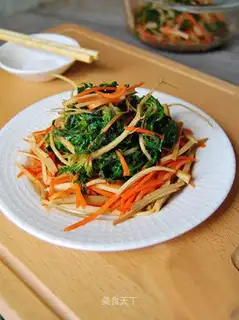
In countries like Vietnam, Thailand, and Indonesia, fresh centella leaves are eaten raw in salads, wraps, or as a garnish. They are often combined with herbs like mint and cilantro to add freshness to dishes. In Vietnam, rau má (centella) is a key ingredient in bánh xèo (Vietnamese savory pancakes) and gỏi (salads).
2. Juices and Smoothies
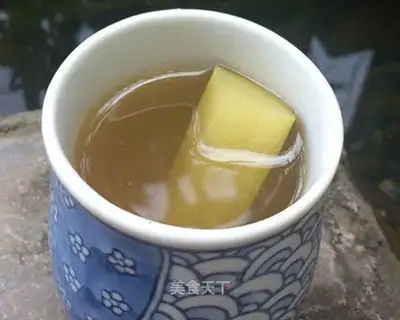
Centella leaves are commonly juiced or blended into smoothies for a nutritional boost. Combining centella with fruits like pineapple, mango, or banana can help balance its bitter taste. A popular Vietnamese drink, nước rau má, mixes centella juice with lime, sugar, and ice for a refreshing beverage.
3. Cooked Dishes
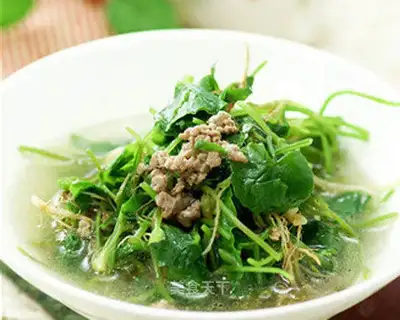
The herb can be stir-fried, added to soups, or used as a seasoning. In Sri Lanka, centella leaves are cooked with coconut milk and spices to make a curry-like dish. In India, the leaves are sometimes added to dal (lentil soup) or rice for extra flavor and nutrition.
4. Supplements and Extracts
For those who find the taste of fresh centella unpalatable, supplements are available in various forms, including capsules, tablets, tinctures, and powders. These are often standardized to contain specific amounts of triterpenoids, ensuring consistent potency.
Precautions and Potential Side Effects
While centella asiatica is generally safe for most people when consumed in moderation, it is not without potential risks. Certain individuals should exercise caution or avoid its use altogether.
1. Pregnancy and Breastfeeding
Pregnant women should avoid centella asiatica, as it may stimulate uterine contractions and increase the risk of miscarriage. There is insufficient data on its safety during breastfeeding, so nursing mothers should consult a healthcare provider before use.
2. Surgery
Due to its potential effects on blood pressure and circulation, centella asiatica should be stopped at least two weeks before scheduled surgery to prevent complications like excessive bleeding.
3. Liver Disease
While centella asiatica can support liver health in moderate amounts, individuals with existing liver conditions should use it cautiously. High doses may strain the liver, especially in those with compromised liver function.
4. Diabetes and Blood Pressure Medications
The herb may enhance the effects of diabetes medications and blood pressure-lowering drugs, leading to hypoglycemia (low blood sugar) or hypotension (low blood pressure). Individuals taking these medications should monitor their levels closely and consult a doctor before using centella supplements.
5. Allergic Reactions
Rare cases of allergic reactions, such as skin rashes or itching, have been reported. Those with known allergies to plants in the Apiaceae family (e.g., carrots, celery) should be cautious when trying centella asiatica for the first time.
6. Dosage Considerations
Excessive consumption of centella asiatica may cause side effects, including nausea, dizziness, or fatigue. The recommended dosage varies depending on the form (fresh, dried, or supplement), but most studies use 300–600 mg of standardized extract per day. It is advisable to start with a low dose and gradually increase it while monitoring for adverse effects.
Conclusion
Centella asiatica is a true powerhouse of nutrition and medicinal properties, offering a holistic approach to health and wellness. From its ability to heal wounds and enhance cognitive function to its anti-inflammatory and antioxidant effects, this herb has earned its place as a superfood in modern diets. Its versatility in culinary applications—from fresh salads to soothing juices—makes it accessible to a wide range of consumers.
However, like any natural remedy, centella asiatica should be used mindfully. Pregnant women, individuals on medications, and those with underlying health conditions should consult a healthcare provider before incorporating it into their routine. When consumed in appropriate amounts, centella asiatica can be a valuable addition to a healthy lifestyle, bridging the gap between traditional wisdom and modern science.
As research continues to uncover its potential, centella asiatica is poised to remain a cornerstone of natural health, offering a simple yet effective way to nourish the body and mind. Whether enjoyed as a fresh green, a refreshing juice, or a concentrated supplement, this humble herb proves that nature’s most potent remedies are often found in the simplest of plants.