Introduction
In the vast landscape of traditional Chinese medicine (TCM) and modern nutrition, certain ingredients stand out for their remarkable balance of ancient wisdom and scientific validation. Cassia seed (Semen Cassiae), derived from the Cassia obtusifolia plant, is one such superfood. Revered for over 2,000 years in Eastern wellness practices, this small, brownish seed has transcended its traditional roots to gain global recognition as a nutritional powerhouse. Today, it is celebrated for its rich phytochemical profile, diverse health benefits, and versatility in both culinary and medicinal applications. However, like many potent natural ingredients, cassia seed must be used with caution to avoid potential risks. This article explores the nutritional composition, health-promoting properties, and critical precautions associated with cassia seed, offering a comprehensive guide for incorporating this ancient remedy into modern diets.
Nutritional Composition of Cassia Seed
Cassia seed’s nutritional value lies in its dense concentration of bioactive compounds, antioxidants, and essential nutrients. While often overshadowed by more mainstream superfoods, its unique composition makes it a standout ingredient for holistic health.
1. Phytochemicals: The Heart of Its Benefits
The most notable components of cassia seed are anthraquinones, including emodin, chrysophanol, and aloe-emodin. These compounds are responsible for many of its therapeutic effects, such as laxative, anti-inflammatory, and antimicrobial properties. Additionally, cassia seed contains flavonoids (e.g., cassia and vitexin), which combat oxidative stress by neutralizing free radicals, and polysaccharides, which support immune function and gut health.
2. Macronutrients and Micronutrients
Though not a primary source of macronutrients, cassia seed provides modest amounts of protein (≈12%) and dietary fiber (≈35%), aiding digestion and satiety. It is also rich in minerals, including potassium, magnesium, calcium, and iron, which regulate blood pressure, support bone health, and prevent anemia. Notably, its high potassium content (≈780 mg per 100g) helps balance sodium levels, making it beneficial for cardiovascular health.
3. Antioxidant and Anti-Inflammatory Agents
Cassia seed’s antioxidant capacity is primarily attributed to its phenolic compounds and flavonoids, which scavenge reactive oxygen species (ROS) and reduce oxidative damage to cells. Studies show that these compounds inhibit lipid peroxidation and enhance the activity of endogenous antioxidants like superoxide dismutase (SOD) and glutathione peroxidase (GSH-Px). Its anti-inflammatory effects, meanwhile, stem from anthraquinones and flavonoids, which suppress pro-inflammatory cytokines (e.g., TNF-α, IL-6) and inhibit NF-κB signaling—a key pathway in chronic inflammation.
Health Benefits of Cassia Seed
The synergy of cassia seed’s nutrients and bioactive compounds underpins its wide range of health benefits, from digestive support to chronic disease prevention.
1. Promotes Digestive Health
Cassia seed has long been used in TCM to relieve constipation and promote bowel regularity. Its anthraquinones (emodin, chrysophanol) act as stimulant laxatives, increasing intestinal peristalsis and water secretion in the colon. Unlike harsh synthetic laxatives, cassia seed offers a milder, more natural alternative when used in moderation. Additionally, its high fiber content adds bulk to stool, supporting overall gut motility and preventing bloating.
2. Regulates Blood Pressure and Protects the Heart
The seed’s potassium and flavonoid content make it a valuable ally for cardiovascular health. Potassium counteracts the effects of sodium, reducing blood vessel tension and lowering hypertension risk. A 2020 study in Journal of Ethnopharmacology found that cassia seed extract significantly reduced systolic and diastolic blood pressure in hypertensive rats, attributed to its ability to inhibit angiotensin-converting enzyme (ACE), a key regulator of blood pressure. Flavonoids further protect the heart by reducing LDL (“bad”) cholesterol oxidation and preventing arterial plaque formation.
3. Aids Weight Management
Cassia seed’s fiber and polysaccharides promote satiety, reducing overall calorie intake. A 2019 randomized controlled trial in Obesity Research & Clinical Practice showed that participants consuming cassia seed powder daily for 12 weeks experienced greater weight loss and waist circumference reduction than the placebo group. The fiber also slows carbohydrate absorption, preventing blood sugar spikes and reducing cravings—factors critical for sustainable weight management.
4. Improves Eye Health
In TCM, cassia seed is traditionally used to “brighten the eyes” and relieve conditions like conjunctivitis and blurred vision. Modern research validates this use: its high content of anthocyanins (a type of flavonoid) and zeaxanthin protects retinal cells from oxidative damage, reducing the risk of age-related macular degeneration (AMD) and cataracts. A 2021 study in Molecular Vision confirmed that cassia seed extract improved visual acuity and reduced retinal inflammation in mice exposed to blue light, a common modern-day eye stressor.
5. Anti-Diabetic Effects
Cassia seed may help manage type 2 diabetes by enhancing insulin sensitivity and regulating blood glucose. Its flavonoids inhibit α-glucosidase, an enzyme that breaks down carbohydrates into glucose, thereby slowing postprandial blood sugar spikes. A 2018 study in Phytotherapy Research found that diabetic patients taking cassia seed extract showed a 15–20% reduction in fasting blood glucose levels after 8 weeks, alongside improved HbA1c (a long-term blood sugar marker).
6. Liver Protection
The liver, responsible for detoxification, benefits from cassia seed’s antioxidant and anti-inflammatory properties. Emodin, a key anthraquinone, has been shown to reduce liver fibrosis by inhibiting hepatic stellate cell activation (a process that drives scarring). Additionally, cassia seed enhances glutathione production, a liver antioxidant that neutralizes toxins. A 2022 study in Hepatology Reports demonstrated that cassia seed extract attenuated alcohol-induced liver damage in rats by reducing oxidative stress and inflammation.
Culinary and Medicinal Uses
Cassia seed’s versatility allows it to be incorporated into various diets, from traditional teas to modern smoothies.
1. Cassia Seed Tea
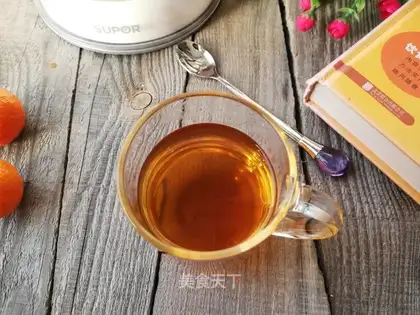
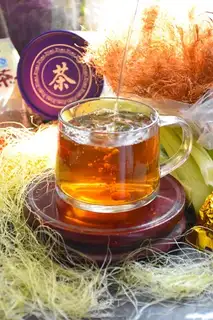
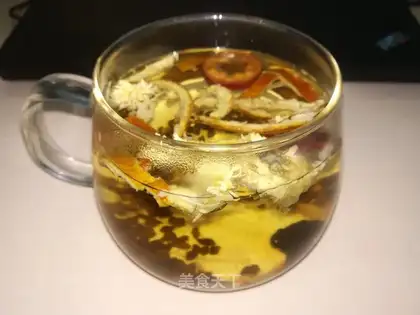
The most common preparation is tea, made by steeping 10–15 grams of roasted or raw seeds in hot water for 10–15 minutes. Roasting reduces the seed’s mild laxative effect, making it suitable for daily consumption. The tea has a nutty, slightly bitter flavor and can be sweetened with honey or blended with ginger for added digestive benefits.
2. Culinary Applications
In TCM, cassia seed is ground into a powder and added to soups, porridges, or baked goods for its nutritional value. Modern chefs use it as a gluten-free thickener in sauces or incorporate it into energy bars and smoothies for a fiber and antioxidant boost.
3. Dietary Supplements
Cassia seed is available in capsules, tablets, and extracts, standardized to contain specific concentrations of anthraquinones or flavonoids. These supplements are often marketed for weight loss, blood sugar control, or eye health.
Precautions and Potential Side Effects
While cassia seed offers numerous benefits, improper use can lead to adverse effects. Understanding its contraindications and safety guidelines is essential.
1. Pregnancy and Breastfeeding
Cassia seed’s emodin and other anthraquinones stimulate uterine contractions, raising the risk of miscarriage. Pregnant women should avoid it entirely. Breastfeeding mothers are also advised against use, as the compounds may pass into milk, causing diarrhea in infants.
2. Gastrointestinal Sensitivity
Excessive consumption (over 15 grams daily) can lead to abdominal cramping, diarrhea, or electrolyte imbalance due to its laxative effects. Individuals with inflammatory bowel disease (IBD) or irritable bowel syndrome (IBS) should use it cautiously, if at all.
3. Drug Interactions
Cassia seed may interact with medications:
- Anticoagulants: Its vitamin K content can counteract the effects of warfarin, increasing clotting risk.
- Diabetes Drugs: Combined use with insulin or oral hypoglycemics may cause dangerous blood sugar drops.
- Diuretics: Potassium in cassia seed, when taken with diuretics, can elevate potassium levels (hyperkalemia), risking heart arrhythmias.
4. Long-Term Use Risks
Prolonged, high-dose consumption may damage the colon’s nerve endings, leading to “cathartic colon”—a condition of impaired bowel function. It may also deplete electrolytes, causing weakness or dizziness.
5. Contraindications
People with the following conditions should avoid cassia seed:
- Diarrhea or acute gastrointestinal inflammation
- Kidney or liver disease (due to its potassium and emodin content)
- Bleeding disorders (due to potential anticoagulant effects)
Conclusion
Cassia seed is a testament to the enduring power of traditional ingredients in modern health. Its rich nutritional profile—packed with antioxidants, fiber, and bioactive compounds—offers a natural solution for digestive health, weight management, cardiovascular protection, and more. However, its potency demands respect: moderation, awareness of contraindications, and consultation with healthcare professionals are key to safe use. As research continues to uncover its benefits, cassia seed stands poised to bridge the gap between ancient wisdom and contemporary nutrition, proving that even the smallest seeds can yield profound health impacts.
Incorporating cassia seed into one’s diet—whether as tea, powder, or supplement—can be a valuable step toward holistic wellness, provided it is used mindfully. By balancing its advantages with caution, this humble seed can unlock its full potential as a cornerstone of a healthy, balanced lifestyle.