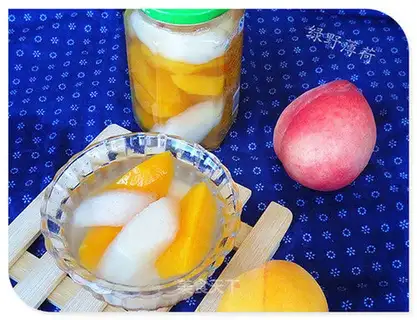
When it comes to summer stone fruits, few capture the essence of sweetness, juiciness, and nutritional excellence quite like the Kubota peach. Cultivated primarily in Japan and increasingly celebrated in global markets, this premium variety—named after its developer, Kubota Masamichi—renowned for its vibrant crimson skin, firm yet tender flesh, and a perfect balance of tart and sweet flavors. Beyond its culinary appeal, the Kubota peach is a nutritional powerhouse, offering a wealth of vitamins, antioxidants, and bioactive compounds that support overall health. This article explores the nutritional profile, health benefits, and important precautions associated with consuming Kubota peaches, providing a comprehensive guide for health-conscious individuals and food enthusiasts alike.
Nutritional Profile of Kubota Peaches
Kubota peaches, like other stone fruits, are low in calories but rich in essential nutrients, making them an ideal addition to a balanced diet. A medium-sized Kubota peach (approximately 150 grams) contains approximately 60 calories, 15 grams of carbohydrates (including 2 grams of fiber and 13 grams of natural sugars), and less than 1 gram of fat. It also provides a modest 1 gram of protein, making it a light yet satisfying snack.
The fruit’s standout nutritional value lies in its micronutrient and phytochemical content. Kubota peaches are an excellent source of vitamin C, a potent antioxidant that supports immune function, skin health, and collagen synthesis. A single medium peach provides about 10% of the daily recommended intake of vitamin C, more than double that found in a medium-sized apple. They are also rich in vitamin A, in the form of beta-carotene, which is crucial for vision, immune health, and cell growth. Additionally, Kubota peaches contain significant amounts of potassium, a mineral that helps regulate blood pressure, fluid balance, and muscle function—providing about 6% of the daily recommended intake per serving.
What sets Kubota peaches apart from other varieties is their exceptional concentration of polyphenols and anthocyanins, the antioxidants responsible for their deep red skin. These compounds combat oxidative stress by neutralizing free radicals, reducing inflammation, and protecting cells from damage. Research suggests that Kubota peaches may have higher levels of these antioxidants compared to more common varieties, such as Elberta or Redhaven, due to their unique cultivation and ripening processes.
Health Benefits of Kubota Peaches
The combination of vitamins, minerals, and antioxidants in Kubota peaches contributes to a range of health benefits, from supporting heart health to aiding digestion. Below are some of the most well-documented advantages of incorporating this fruit into your diet.
1. Supports Immune Function and Skin Health
Vitamin C is a cornerstone of immune health, stimulating the production of white blood cells and enhancing the body’s ability to fight infections. Kubota peaches, as a rich source of vitamin C, can help reduce the duration and severity of colds and flu. Additionally, vitamin C is essential for collagen synthesis, a protein that maintains skin elasticity and repair. Regular consumption of Kubota peaches may promote a youthful complexion, reduce the appearance of wrinkles, and protect the skin from UV damage caused by free radicals.
2. Promotes Heart Health
The potassium and fiber in Kubota peaches work synergistically to support cardiovascular health. Potassium helps counteract the effects of sodium, lowering blood pressure and reducing the risk of hypertension—a major risk factor for heart disease. Meanwhile, the soluble fiber in peaches binds to cholesterol in the digestive system, preventing its absorption into the bloodstream. Studies have shown that a diet rich in fiber and potassium can reduce LDL (“bad”) cholesterol by up to 10%, lowering the risk of atherosclerosis and heart attacks.
3. Aids Digestive Health
Kubota peaches are a good source of both soluble and insoluble fiber, which are vital for maintaining a healthy digestive system. Soluble fiber feeds beneficial gut bacteria, promoting a balanced microbiome, while insoluble fiber adds bulk to stool, preventing constipation and promoting regular bowel movements. The fruit’s natural enzymes, such as pectin, also aid in breaking down food and easing digestion, making it particularly beneficial for individuals with mild digestive discomfort.
4. Anticancer Properties
The polyphenols and anthocyanins in Kubota peaches have been studied for their potential anticancer effects. These antioxidants inhibit the growth of cancer cells by blocking the formation of tumors and inducing apoptosis (programmed cell death) in malignant cells. For example, research published in the Journal of Agricultural and Food Chemistry found that peach extracts reduced the proliferation of breast cancer cells by up to 20% in vitro. While human trials are needed, these findings suggest that regular consumption of polyphenol-rich fruits like Kubota peaches may play a role in cancer prevention.
5. Supports Weight Management
Kubota peaches are a low-calorie, high-fiber food that can aid in weight management. The fiber and water content in peaches promote satiety, reducing hunger and preventing overeating. A medium-sized peach provides only 60 calories but contains 2 grams of fiber, which slows digestion and keeps you feeling full longer. Additionally, the natural sugars in peaches satisfy sweet cravings without the need for processed snacks, making them a healthy alternative for those trying to lose or maintain weight.
Precautions and Potential Side Effects
While Kubota peaches are generally safe for most people, there are a few precautions to keep in mind to ensure optimal health and avoid adverse effects.
1. Pesticide Residues
Conventionally grown peaches are often treated with pesticides to protect against pests and diseases. To minimize exposure to harmful chemicals, it is advisable to wash peaches thoroughly under running water before consumption. Alternatively, choose organic Kubota peaches, which are grown without synthetic pesticides. Peeling the fruit can further reduce pesticide exposure, though this will also remove some of the fiber and anthocyanins concentrated in the skin.
2. Allergic Reactions
Peach allergies, while relatively rare, can occur in some individuals. Allergic reactions may range from mild symptoms, such as itching or hives, to severe anaphylaxis, characterized by difficulty breathing, swelling of the throat, and a rapid drop in blood pressure. People with known peach allergies should avoid consuming Kubota peaches or consult an allergist before trying them. Additionally, peaches contain proteins similar to those in pollen, so individuals with pollen allergies (particularly birch pollen) may experience oral allergy syndrome, causing itching or tingling in the mouth. Cooking peaches can help reduce these symptoms, as heat alters the allergenic proteins.
3. Oxalate Content
Kubota peaches contain moderate levels of oxalates, natural compounds that can contribute to the formation of kidney stones in susceptible individuals. People with a history of kidney stones, especially calcium oxalate stones, should consume peaches in moderation and consult a healthcare provider if they have concerns. Drinking plenty of water can help flush oxalates from the body and reduce the risk of stone formation.
4. Sugar Content
While the natural sugars in Kubota peaches are healthier than refined sugars, individuals with diabetes or insulin resistance should monitor their intake. A medium-sized peach contains about 13 grams of sugar, which can affect blood sugar levels if consumed in large quantities. Pairing peaches with protein or healthy fats (such as a handful of almonds or a dollop of Greek yogurt) can help slow sugar absorption and prevent blood sugar spikes.
5. Digestive Discomfort
For some people, the high fiber content in peaches may cause digestive discomfort, such as bloating, gas, or diarrhea, especially if consumed in large amounts or after a period of low fiber intake. To avoid this, introduce peaches gradually into your diet and ensure you drink plenty of water to help fiber move through the digestive system.
Conclusion
Kubota peaches are more than just a delicious summer treat—they are a nutritional powerhouse offering a wide range of health benefits. From supporting immune function and heart health to aiding digestion and potentially reducing cancer risk, this versatile fruit is a valuable addition to any diet. However, like all foods, moderation and awareness are key. By choosing organic or thoroughly washing conventionally grown peaches, being mindful of allergies, and balancing intake with individual health needs, you can enjoy the many advantages of Kubota peaches while minimizing potential risks.
Whether eaten fresh, blended into smoothies, or grilled as a dessert, Kubota peaches are a delightful way to enhance your health and savor the flavors of the season. As with any dietary change, it is always wise to consult a healthcare provider or registered dietitian if you have specific health concerns, but for most people, these vibrant, nutrient-dense fruits are a sweet and healthy choice.