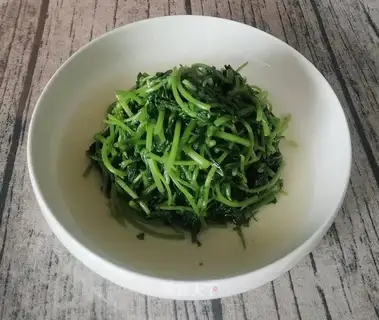
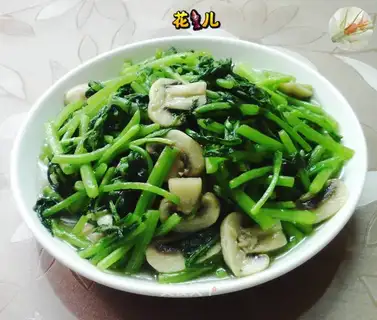
In the diverse world of leafy green vegetables, crown daisy (Gongronema), commonly known as tong hao in Chinese or shungiku in Japanese, stands out for its unique flavor profile and impressive health benefits. With its delicate, feathery leaves and distinctive aromatic taste—reminiscent of a blend of celery and mint—crown daisy has been a staple in Asian cuisine for centuries. Beyond its culinary appeal, this humble vegetable is a nutritional powerhouse, packed with vitamins, minerals, and bioactive compounds that offer a wide range of health benefits. However, like all foods, it must be consumed mindfully, as certain precautions apply. This article explores the nutritional value, health benefits, and potential risks associated with crown daisy, providing a comprehensive guide for incorporating this superfood into a balanced diet.
Nutritional Profile: A Treasure Trove of Essential Nutrients
Crown daisy is low in calories yet rich in essential nutrients, making it an ideal choice for health-conscious individuals. A 100-gram serving of fresh crown daisy contains approximately 20–30 calories, 2–3 grams of protein, and 1–2 grams of fiber, while being virtually fat-free. Its true nutritional value lies in its dense concentration of vitamins, minerals, and antioxidants.
Vitamins: A Concentrated Source of Vital Micronutrients
Crown daisy is an exceptional source of fat-soluble and water-soluble vitamins. It is particularly rich in vitamin A, in the form of beta-carotene, with 100 grams providing over 100% of the daily recommended intake (DRI). Vitamin A is crucial for vision, immune function, and skin health, as it supports the production of rhodopsin (a pigment essential for low-light vision) and maintains the integrity of mucous membranes.
The vegetable is also a powerhouse of vitamin K, with a single serving delivering up to 300% of the DRI. Vitamin K plays a key role in blood clotting and bone metabolism, as it activates proteins necessary for calcium deposition in bones. For individuals at risk of osteoporosis or those taking blood-thinning medications, vitamin K intake must be monitored, but for most, crown daisy serves as an excellent dietary source.
Additionally, crown daisy is high in vitamin C, a potent antioxidant that supports immune function, collagen synthesis, and iron absorption. A 100-gram serving provides about 30% of the DRI for vitamin C. It also contains smaller amounts of B vitamins, including folate (vitamin B9), which is essential for DNA synthesis and cell division, making it particularly beneficial during pregnancy.
Minerals: Supporting Bone Health and Beyond
The mineral content of crown daisy is equally impressive. It is a rich source of calcium, with 100 grams providing around 10% of the DRI. Calcium is vital for bone and teeth health, muscle contraction, and nerve signaling. For individuals who are lactose intolerant or follow a plant-based diet, crown daisy offers a valuable alternative to dairy products.
The vegetable is also high in iron, a mineral necessary for oxygen transport in the blood and energy production. While plant-based iron (non-heme iron) is less readily absorbed than heme iron from animal sources, the vitamin C in crown daisy enhances its absorption, making it an effective iron booster.
Other notable minerals include potassium, which regulates blood pressure and fluid balance; magnesium, which supports muscle and nerve function; and manganese, a cofactor for enzymes involved in antioxidant defense and metabolism.
Antioxidants and Bioactive Compounds: Combating Oxidative Stress
Crown daisy is loaded with antioxidants, which neutralize harmful free radicals and reduce oxidative stress—a key contributor to chronic diseases such as cancer, heart disease, and neurodegenerative disorders. Its most prominent antioxidants include:
- Flavonoids: Compounds like quercetin and apigenin have anti-inflammatory, anti-cancer, and neuroprotective properties.
- Carotenoids: Beta-carotene and lutein protect cells from damage and support eye health; lutein, in particular, reduces the risk of age-related macular degeneration.
- Polyphenols: These compounds have been linked to improved cardiovascular health and reduced inflammation.
Health Benefits: From Disease Prevention to Wellness Enhancement
The combination of vitamins, minerals, and antioxidants in crown daisy translates to a wide range of health benefits. Regular consumption may support immune function, bone health, digestion, and chronic disease prevention.
1. Boosts Immune Function
The high vitamin C and A content in crown daisy makes it a natural immune booster. Vitamin C stimulates the production and function of white blood cells, which are the body’s primary defense against infections. Vitamin A, on the other hand, maintains the health of skin and mucous membranes, acting as a physical barrier against pathogens. Studies have shown that adequate vitamin C intake can reduce the duration and severity of colds, while vitamin A deficiency is linked to increased susceptibility to infections.
2. Supports Bone Health
Crown daisy’s rich calcium and vitamin K content makes it a valuable food for bone health. Calcium provides the structural framework for bones, while vitamin K activates osteocalcin, a protein that binds calcium to the bone matrix, increasing bone density and reducing the risk of fractures. Additionally, the vegetable’s magnesium content supports calcium absorption and plays a role in bone mineralization. For postmenopausal women, who are at higher risk of osteoporosis, incorporating crown daisy into the diet may help slow bone loss.
3. Promotes Digestive Health
The fiber in crown daisy aids digestion by adding bulk to stool and promoting regular bowel movements, preventing constipation. Soluble fiber, in particular, acts as a prebiotic, feeding beneficial gut bacteria and supporting a healthy microbiome. A balanced gut microbiome is linked to improved immune function, mental health, and reduced risk of digestive disorders such as irritable bowel syndrome (IBS) and colorectal cancer.
4. Anti-Inflammatory and Anti-Cancer Properties
Chronic inflammation is a underlying factor in many diseases, including cancer, diabetes, and heart disease. Crown daisy’s flavonoids and polyphenols have potent anti-inflammatory effects, inhibiting the production of pro-inflammatory cytokines and enzymes. For example, apigenin, a flavonoid found in crown daisy, has been shown to reduce inflammation in the colon and may protect against colorectal cancer. Similarly, lutein and beta-carotene have been linked to a reduced risk of lung and breast cancer.
5. Regulates Blood Pressure and Heart Health
The potassium in crown daisy helps counteract the effects of sodium, regulating blood pressure and reducing the risk of hypertension. High blood pressure is a major risk factor for heart disease and stroke. Additionally, the vegetable’s antioxidants improve endothelial function (the health of blood vessel linings), reducing the risk of atherosclerosis (hardening of the arteries). Studies suggest that regular consumption of flavonoid-rich vegetables like crown daisy may lower the risk of cardiovascular disease by up to 20%.
6. Supports Eye Health
Crown daisy is rich in lutein and zeaxanthin, two carotenoids that accumulate in the retina and protect against age-related macular degeneration (AMD) and cataracts. These antioxidants filter harmful blue light and reduce oxidative damage to eye cells. A diet high in lutein and zeaxanthin has been associated with a reduced risk of AMD, the leading cause of vision loss in older adults.
7. Aids Weight Management
With its low calorie and high fiber content, crown daisy is an excellent food for weight management. Fiber promotes satiety, reducing overall calorie intake, while the vegetable’s high water content adds volume without adding calories. Additionally, the vitamins and minerals in crown daisy support metabolism, helping the body burn energy more efficiently.
Culinary Uses: From Stir-Fries to Salads
Crown daisy’s versatility in the kitchen makes it easy to incorporate into a healthy diet. Its leaves can be eaten raw or cooked, and its flavor pairs well with a variety of ingredients. In Asian cuisine, it is commonly used in stir-fries, soups, and hot pot dishes, where its delicate flavor is enhanced by garlic, ginger, and soy sauce. In Korean cuisine, it is a key ingredient in namul (seasoned vegetable dishes), while in Japan, it is used in ohitashi (blended and seasoned vegetables) and soups.
For those who prefer raw vegetables, crown daisy can be added to salads for a peppery, aromatic kick. Its tender leaves also make it a great garnish for soups and stews. To preserve its nutritional value, it is best to cook crown daisy lightly—steaming or stir-frying for 2–3 minutes—to retain its vitamins and antioxidants. Overcooking can destroy heat-sensitive nutrients like vitamin C.
Potential Risks and Precautions
While crown daisy offers numerous health benefits, it is important to consume it in moderation and be aware of potential risks, particularly for certain individuals.
1. Blood-Thinning Medications
Crown daisy is high in vitamin K, which plays a key role in blood clotting. Individuals taking blood-thinning medications such as warfarin (Coumadin) must maintain a consistent vitamin K intake to avoid interactions. Sudden increases in vitamin K consumption can reduce the effectiveness of these medications, increasing the risk of blood clots. Such individuals should consult their doctor before adding crown daisy to their diet.
2. Kidney Stones
Crown daisy contains oxalates, compounds that can bind to calcium and form kidney stones in susceptible individuals. People with a history of calcium oxalate kidney stones should limit their intake of high-oxalate vegetables, including crown daisy. Cooking can reduce oxalate content, so consuming cooked crown daisy in moderation may be safer.
3. Pregnancy and Breastfeeding
While crown daisy is generally safe for consumption during pregnancy and breastfeeding, pregnant women should avoid eating it in large quantities. Some traditional medicine practices caution against excessive consumption due to its potential uterine stimulant effects, though scientific evidence is limited. It is best to consult a healthcare provider before making significant dietary changes during pregnancy.
4. Allergic Reactions
Although rare, some individuals may be allergic to crown daisy, particularly those with allergies to plants in the Asteraceae family (e.g., ragweed, chrysanthemums). Symptoms of an allergic reaction may include itching, hives, or swelling. If you experience these symptoms after consuming crown daisy, discontinue use and seek medical attention.
Conclusion
Crown daisy is a nutritional powerhouse that offers a wide range of health benefits, from boosting immune function and supporting bone health to reducing inflammation and promoting heart health. Its rich vitamin and mineral content, combined with its antioxidant properties, make it a valuable addition to a balanced diet. However, like all foods, it must be consumed mindfully, particularly by individuals taking blood-thinning medications or those at risk of kidney stones.
Incorporating crown daisy into your meals is easy and delicious, whether you stir-fry it with garlic, add it to salads, or use it as a garnish. By understanding its nutritional value and potential risks, you can enjoy this versatile vegetable while maximizing its health benefits. As the saying goes, “Let food be thy medicine,” and crown daisy is a perfect example of how a simple vegetable can support overall wellness and longevity.