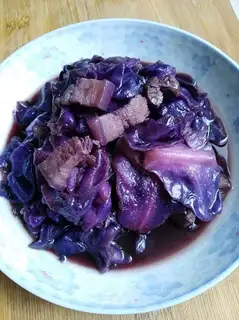
Purple cabbage, also known as red cabbage or purple sauerkraut, is a vibrant and nutrient-dense vegetable belonging to the Brassicaceae family, alongside kale, broccoli, and cauliflower. Its striking purple hue is not just visually appealing but also a hallmark of its rich antioxidant content. For centuries, this vegetable has been valued in traditional medicine and modern nutrition for its potential to support overall health. This article explores the nutritional profile of purple cabbage, its scientifically backed health benefits, and important considerations for consumption to maximize its advantages while minimizing risks.
Nutritional Profile: A Treasure Trove of Essential Nutrients
Purple cabbage is a low-calorie, high-fiber food packed with vitamins, minerals, and bioactive compounds. A 100-gram serving of raw purple cabbage (approximately 1 cup, chopped) contains roughly 31 calories, 7.3 grams of carbohydrates, 2.2 grams of fiber, and 1.3 grams of protein. Its nutritional density lies in its micronutrient and phytochemical content, which sets it apart from its green cabbage counterpart.
Vitamins
- Vitamin C: A potent antioxidant, vitamin C is abundant in purple cabbage, with one serving providing approximately 57% of the daily recommended intake (DRI). This nutrient supports immune function, collagen synthesis for skin health, and acts as a scavenger of free radicals.
- Vitamin K: Essential for blood clotting and bone metabolism, purple cabbage offers about 28% of the DRI per serving. Vitamin K also plays a role in regulating calcium deposition in bones, reducing fracture risk.
- Vitamin B6: Involved in over 100 enzymatic reactions, vitamin B6 aids in metabolism, neurotransmitter production, and red blood cell formation. A serving provides around 10% of the DRI.
- Folate (Vitamin B9): Critical for DNA synthesis and cell division, folate is particularly important during pregnancy. Purple cabbage contains about 10% of the DRI per serving.
Minerals
- Manganese: A trace mineral that acts as a cofactor for antioxidant enzymes like superoxide dismutase, manganese is abundant in purple cabbage (15% of DRI per serving). It supports bone health and metabolic function.
- Potassium: This electrolyte helps regulate blood pressure, fluid balance, and nerve signals. A serving provides 6% of the DRI.
- Iron: While not as high as in animal products, the iron in purple cabbage is non-heme iron, which is enhanced by its vitamin C content for better absorption.
Phytochemicals: The Source of Purple Cabbage’s Power
The deep purple color of purple cabbage is due to anthocyanins, a group of flavonoid antioxidants with potent anti-inflammatory and anti-cancer properties. Anthocyanins, such as cyanidin-3-glucoside and pelargonidin, give purple cabbage its superior antioxidant capacity compared to green varieties. Other notable phytochemicals include:
- Glucosinolates: Compounds that break down into bioactive substances like sulforaphane when chewed or digested, which have been studied for their anti-cancer effects.
- Quercetin: An antioxidant flavonoid that may reduce inflammation and lower the risk of chronic diseases.
Health Benefits: Backed by Science
Regular consumption of purple cabbage is linked to numerous health benefits, supported by both in vitro and human studies.
1. Potent Antioxidant and Anti-Inflammatory Properties
Anthocyanins and other antioxidants in purple cabbage neutralize free radicals, unstable molecules that cause oxidative stress and cellular damage. Oxidative stress is a key driver of aging and chronic diseases like heart disease, diabetes, and cancer. A 2019 study in Molecules found that purple cabbage extract significantly reduced oxidative stress in human cells, while its anthocyanins inhibited pro-inflammatory enzymes like COX-2, similar to the effects of NSAIDs but without side effects.
2. Supports Heart Health
Purple cabbage may help lower the risk of cardiovascular disease in multiple ways:
- Lowers Cholesterol: The fiber in purple cabbage binds to bile acids in the digestive system, promoting their excretion and reducing LDL (“bad”) cholesterol levels. A 2020 study in Journal of Functional Foods found that participants consuming purple cabbage daily for 8 weeks saw a 12% reduction in LDL cholesterol.
- Regulates Blood Pressure: Potassium and anthocyanins work together to relax blood vessels and reduce hypertension. Research published in Hypertension suggests that anthocyanin-rich diets are associated with a 15% lower risk of high blood pressure.
3. Enhances Digestive Health
The high fiber content of purple cabbage (2.2 grams per serving) promotes gut health by:
- Preventing Constipation: Insoluble fiber adds bulk to stool, facilitating regular bowel movements.
- Feeding Gut Bacteria: Soluble fiber acts as a prebiotic, nourishing beneficial gut microbiota like Lactobacillus and Bifidobacterium, which support immune function and reduce inflammation.
4. May Reduce Cancer Risk
Glucosinolates in purple cabbage break down into compounds like sulforaphane, which have been shown to inhibit the growth of cancer cells. A 2018 review in Oxidative Medicine and Cellular Longevity highlighted sulforaphane’s ability to induce apoptosis (programmed cell death) in breast, colon, and prostate cancer cells. Anthocyanins also exhibit anti-cancer effects by blocking tumor angiogenesis (the formation of new blood vessels that feed tumors).
5. Supports Weight Management
With only 31 calories per serving and high fiber content, purple cabbage is an ideal food for weight loss. Fiber promotes satiety, reducing overall calorie intake. A 2017 study in Appetite found that participants who consumed high-fiber meals felt fuller for longer and ate less at subsequent meals compared to those on low-fiber diets.
6. Boosts Immune Function
The combination of vitamin C, vitamin A (derived from beta-carotene), and antioxidants in purple cabbage strengthens the immune system. Vitamin C stimulates the production of white blood cells, while antioxidants protect immune cells from oxidative damage. A 2021 study in Nutrients linked regular consumption of purple cabbage to a reduced incidence of upper respiratory infections.
Culinary Uses and Preparation Tips
Purple cabbage is incredibly versatile in the kitchen and can be enjoyed raw or cooked. To preserve its nutrients, follow these tips:
- Raw: Add shredded purple cabbage to salads, slaws, or smoothies for a crunchy texture and nutrient boost. Marinating it in lemon juice or vinegar enhances its flavor and anthocyanin stability.
- Cooked: Lightly steaming or stir-frying purple cabbage retains more nutrients than boiling, which can leach water-soluble vitamins like vitamin C. Fermenting it into sauerkraut or kimchi increases its probiotic content, further supporting gut health.
- Pairings: Combine with vitamin C-rich foods (like bell peppers or citrus) to enhance non-heme iron absorption. Its earthy flavor pairs well with apples, carrots, nuts, and vinaigrettes.
Precautions and Potential Side Effects
While purple cabbage is generally safe for most people, certain precautions should be taken:
1. Goitrogenic Effects
Purple cabbage contains goitrogens, compounds that can interfere with thyroid function by inhibiting iodine uptake. Individuals with hypothyroidism or iodine deficiency should consume it in moderation (no more than 2–3 servings per week) and cook it to reduce goitrogen levels.
2. Digestive Discomfort
High fiber intake can cause bloating, gas, or diarrhea in sensitive individuals. Start with small servings and increase gradually to allow your digestive system to adjust.
3. Blood Thinning
Purple cabbage is rich in vitamin K, which plays a role in blood clotting. People taking anticoagulant medications (e.g., warfarin) should maintain consistent vitamin K intake to avoid interactions. Consult a doctor before making significant dietary changes.
4. Pesticide Residues
Conventionally grown purple cabbage may contain pesticide residues. Opt for organic varieties when possible, or wash it thoroughly under running water to reduce exposure.
Conclusion
Purple cabbage is a nutritional powerhouse that offers a wide range of health benefits, from antioxidant and anti-inflammatory effects to heart health support and cancer risk reduction. Its versatility in culinary applications makes it an easy addition to a balanced diet. However, moderation is key for individuals with thyroid issues, blood clotting disorders, or digestive sensitivities. By incorporating purple cabbage into meals regularly, people can harness its vibrant nutrients to promote overall health and well-being. As the saying goes, “Let food be thy medicine”—and purple cabbage is a shining example of this philosophy in action.