In the diverse world of cruciferous vegetables, baby cabbage—also known as "child cabbage" or "stem lettuce" in some regions—stands out as a nutritional gem. With its compact size, tender leaves, and mildly sweet flavor, this vegetable has long been a staple in Asian cuisines and is gaining global recognition for its exceptional health benefits. Often mistaken for a smaller version of regular cabbage, baby cabbage (Brassica rapa var. chinensis) belongs to the same family as broccoli, kale, and Brussels sprouts, but its unique profile—both in taste and nutrient content—sets it apart. This article explores the nutritional value of baby cabbage, its scientifically supported health benefits, potential dietary precautions, and creative ways to incorporate it into a balanced diet.
Nutritional Profile: Why Baby Cabbage is a Nutrient-Dense Superfood
Baby cabbage earns its "superfood" title due to its impressive concentration of vitamins, minerals, antioxidants, and dietary fiber. A 100-gram serving of raw baby cabbage (approximately 1.5 cups, chopped) contains roughly:
- Calories: 25 kcal, making it an ideal choice for weight management.
- Dietary Fiber: 2.5 grams, promoting digestive health and satiety.
- Vitamin C: 45 mg (75% of the Daily Value, DV), a potent antioxidant crucial for immune function, skin health, and collagen synthesis.
- Vitamin K: 85 mcg (71% DV), essential for blood clotting and bone metabolism.
- Folate (Vitamin B9): 40 mcg (10% DV), vital for cell division and fetal development during pregnancy.
- Potassium: 170 mg (5% DV), which helps regulate blood pressure and fluid balance.
- Vitamin A (as beta-carotene): 120 mcg RE (24% DV), supporting vision and immune health.
- Calcium: 40 mg (4% DV), contributing to bone strength.
- Iron: 0.5 mg (3% DV), important for oxygen transport in the blood.
What truly distinguishes baby cabbage is its rich profile of glucosinolates—sulfur-containing compounds unique to cruciferous vegetables. When chewed or chopped, these compounds convert to isothiocyanates (e.g., sulforaphane), which have been extensively studied for their anti-inflammatory, anti-cancer, and detoxifying properties. Additionally, baby cabbage contains anthocyanins (in purple varieties), flavonoids, and phenolic acids, which combat oxidative stress and reduce the risk of chronic diseases.
Health Benefits: From Disease Prevention to Wellness Enhancement
The combination of vitamins, minerals, and phytochemicals in baby cabbage translates to a wide range of health benefits, backed by scientific research.
1. Boosts Immune Function
Baby cabbage is a powerhouse of vitamin C, which stimulates the production and activity of white blood cells, the body’s primary defense against pathogens. A single serving provides 75% of the DV for vitamin C, surpassing that of oranges (53 mg per 100 grams). Vitamin C also enhances skin barrier function by promoting collagen synthesis, reducing the risk of infections and wound healing.
2. Supports Digestive Health
The high fiber content in baby cabbage (2.5 grams per 100 grams) adds bulk to stool, preventing constipation and promoting regular bowel movements. Moreover, fiber acts as a prebiotic, feeding beneficial gut bacteria (e.g., Bifidobacteria and Lactobacilli), which improve gut microbiome balance. A healthy gut microbiome is linked to better digestion, reduced inflammation, and even enhanced mood regulation.
3. Reduces Chronic Disease Risk
The isothiocyanates in baby cabbage exhibit potent anti-cancer properties. Sulforaphane, for example, inhibits the growth of cancer cells by blocking tumor angiogenesis (the formation of new blood vessels that feed tumors) and inducing apoptosis (programmed cell death). Studies suggest that regular consumption of cruciferous vegetables like baby cabbage may lower the risk of breast, colon, lung, and prostate cancers.
Additionally, baby cabbage’s anthocyanins (in purple varieties) and flavonoids reduce oxidative stress by neutralizing free radicals, which damage cells and contribute to aging and diseases like atherosclerosis, diabetes, and neurodegenerative disorders. The vegetable’s potassium content also supports heart health by counteracting the effects of sodium, lowering blood pressure, and reducing the risk of stroke.
4. Enhances Bone Health
Baby cabbage is an excellent source of vitamin K, which plays a critical role in bone metabolism. Vitamin K activates osteocalcin, a protein that binds calcium to bones, increasing bone density and reducing the risk of fractures. A study published in The American Journal of Clinical Nutrition found that individuals with higher vitamin K intake had a 35% lower risk of hip fractures.
5. Aids Weight Management
With only 25 calories per 100 grams and high water content (92%), baby cabbage is a low-energy-density food that promotes satiety without adding excess calories. Its fiber slows digestion, keeping you full longer and reducing overall calorie intake. Incorporating baby cabbage into meals, such as salads, stir-fries, or soups, can help maintain a healthy weight.
Potential Risks and Precautions: Who Should Be Cautious?
While baby cabbage is generally safe for most people, certain individuals should consume it in moderation or avoid it altogether.
1. Goitrogenic Effects
Baby cabbage, like other cruciferous vegetables, contains goitrogens—compounds that interfere with thyroid function by inhibiting the uptake of iodine. In individuals with iodine deficiency or pre-existing thyroid disorders (e.g., hypothyroidism), excessive consumption may exacerbate thyroid dysfunction. Cooking baby cabbage reduces its goitrogen content by 30–50%, making it safer for those with thyroid concerns.
2. Digestive Discomfort
The high fiber and raffinose (a type of carbohydrate) in baby cabbage may cause bloating, gas, or diarrhea in sensitive individuals, especially when consumed raw. Gradually increasing intake and cooking the vegetable can help minimize these side effects.
3. Blood Thinning Interactions
Baby cabbage is rich in vitamin K, which plays a key role in blood clotting. Individuals taking anticoagulant medications (e.g., warfarin) should maintain consistent vitamin K intake to avoid drug interactions. Sudden increases in baby cabbage consumption may reduce the effectiveness of blood thinners.
4. Pesticide Residues
Conventionally grown baby cabbage may contain pesticide residues. To minimize exposure, choose organic varieties when possible, or wash thoroughly under running water with a vegetable brush.
Culinary Uses: How to Incorporate Baby Cabbage into Your Diet
Baby cabbage’s mild, slightly sweet flavor and crisp texture make it incredibly versatile in the kitchen. Here are some creative ways to enjoy it:
1. Raw in Salads and Slaws
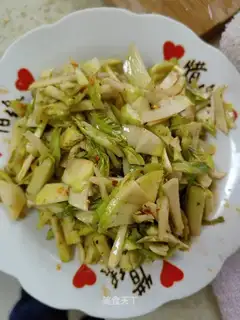
Shred raw baby cabbage for a crunchy, nutrient-packed salad. Combine with carrots, bell peppers, and a lemon-tahini dressing for a refreshing side dish. Purple baby cabbage adds a vibrant color and extra antioxidants.
2. Stir-Fries and Sautéed Dishes
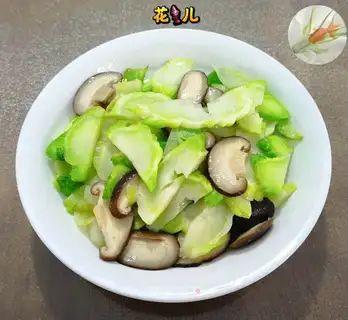
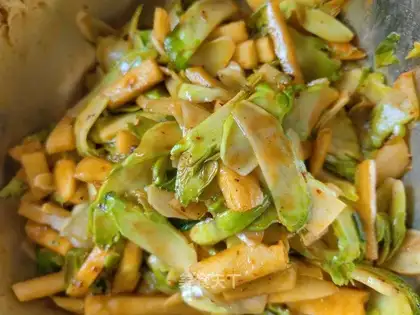
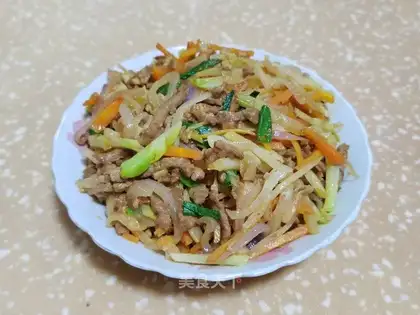
Quickly stir-fry baby cabbage with garlic, ginger, and tofu for a healthy, flavorful meal. Its high water content means it cooks in 3–5 minutes, retaining crunch and nutrients.
3. Soups and Stews
Add chopped baby cabbage to soups (e.g., miso soup, vegetable broth) or stews in the last 5 minutes of cooking to preserve its texture and vitamins.
4. Fermented into Kimchi or Sauerkraut
Fermenting baby cabbage enhances its probiotic content, supporting gut health. Traditional kimchi (made with chili, garlic, and ginger) or a simple sauerkraut (fermented with salt) can be stored for weeks and used as a condiment.
5. Steamed or Roasted
Steaming baby cabbage for 5–7 minutes softens its leaves while retaining nutrients. For a caramelized flavor, roast it at 200°C (400°F) with olive oil and herbs for 15–20 minutes.
Conclusion
Baby cabbage is a nutritional powerhouse that offers a wealth of health benefits, from boosting immunity and reducing chronic disease risk to supporting digestion and weight management. Its versatility in the kitchen makes it easy to incorporate into a balanced diet, whether raw, cooked, or fermented. While precautions exist for individuals with thyroid issues or those on blood thinners, moderate consumption—preferably cooked—can maximize its benefits while minimizing risks. As research continues to uncover the potential of cruciferous vegetables, baby cabbage is poised to become a staple in health-conscious households worldwide. By embracing this humble vegetable, we can take a delicious step toward better health and wellness.