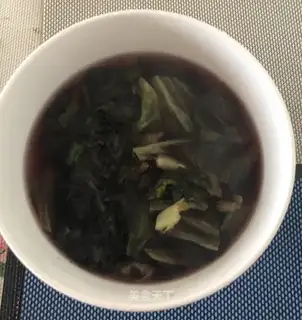
Red leaf lettuce (Lactuca sativa var. crispa), with its vibrant reddish-purple leaves, is not just a visually appealing addition to salads but also a nutrient-dense vegetable that offers a range of health benefits. As a member of the Asteraceae family, it is prized for its crisp texture, mild flavor, and high concentration of vitamins, minerals, and antioxidants. This article explores the nutritional profile of red leaf lettuce, its potential health benefits, and important considerations for consumption to ensure safe and effective use.
Nutritional Profile of Red Leaf Lettuce
Red leaf lettuce is low in calories yet rich in essential nutrients, making it an ideal choice for weight management and overall health. A 100-gram serving of raw red leaf lettuce contains approximately:
- Calories: 15–20 kcal
- Water: Over 90%, contributing to hydration
- Dietary Fiber: 1.3–1.7 grams, aiding digestion
- Vitamin A: As beta-carotene (providing ~105% of the Daily Value, DV), which converts to retinol in the body.
- Vitamin K: ~85% DV, crucial for blood clotting and bone health.
- Vitamin C: ~4% DV, an antioxidant that supports immune function.
- Folate (Vitamin B9): ~10% DV, essential for DNA synthesis and cell division.
- Minerals: Small but significant amounts of potassium (for heart health), calcium (for bones), and iron (for oxygen transport).
What sets red leaf lettuce apart from its green counterparts like romaine or iceberg is its higher concentration of anthocyanins, the pigments responsible for its reddish hue. Anthocyanins are flavonoid antioxidants with potent anti-inflammatory and anti-cancer properties. Studies suggest that these compounds may help protect against chronic diseases by neutralizing free radicals and reducing oxidative stress.
Health Benefits of Red Leaf Lettuce
The combination of vitamins, minerals, and antioxidants in red leaf lettuce contributes to a range of health benefits, supported by scientific research.
1. Supports Eye Health
Red leaf lettuce is an excellent source of vitamin A and lutein, two nutrients critical for maintaining vision. Vitamin A prevents night blindness and age-related macular degeneration (AMD), while lutein accumulates in the retina and filters harmful blue light. A 2021 study in Nutrients found that regular consumption of lutein-rich foods like red leaf lettuce reduced the risk of AMD by up to 40% in older adults.
2. Enhances Bone Density
Vitamin K plays a key role in bone metabolism by regulating calcium absorption and activating proteins like osteocalcin, which strengthens bone structure. A 100-gram serving of red leaf lettuce provides nearly 85% of the DV for vitamin K. Research published in The Journal of Nutrition links high vitamin K intake to a lower risk of fractures and osteoporosis, particularly in postmenopausal women.
3. Aids Weight Management
With its high water and fiber content, red leaf lettuce promotes satiety, reducing overall calorie intake. Fiber also slows digestion, preventing blood sugar spikes and cravings. A 2019 review in Appetite concluded that low-energy-density vegetables like red leaf lettuce are effective tools for weight loss when included in a balanced diet.
4. Boosts Immune Function
While not as high in vitamin C as citrus fruits, red leaf lettuce still contributes to immune support. Vitamin C stimulates the production of white blood cells and acts as an antioxidant, protecting immune cells from oxidative damage. Additionally, its folate content supports DNA repair and cell proliferation, ensuring optimal immune response.
5. Reduces Chronic Disease Risk
The anthocyanins in red leaf lettuce have been extensively studied for their role in preventing chronic diseases. A 2020 meta-analysis in Current Medicinal Chemistry found that anthocyanin-rich diets were associated with a 12% lower risk of cardiovascular disease and a 15% reduced risk of type 2 diabetes. These compounds also exhibit anti-inflammatory properties, potentially lowering the risk of arthritis and neurodegenerative disorders like Alzheimer’s disease.
6. Promotes Digestive Health
The fiber in red leaf lettuce adds bulk to stool, preventing constipation and supporting a healthy gut microbiome. Soluble fiber, in particular, acts as a prebiotic, feeding beneficial gut bacteria like Bifidobacterium. A 2022 study in Gastroenterology linked prebiotic-rich diets to improved gut barrier function and reduced inflammation in individuals with irritable bowel syndrome (IBS).
Precautions and Potential Side Effects
While red leaf lettuce is generally safe for most people, certain precautions should be taken to avoid adverse effects.
1. Pesticide Residues
Like many leafy greens, red leaf lettuce may contain pesticide residues if not grown organically. To minimize exposure, wash leaves thoroughly under running water or use a vegetable wash. Opting for certified organic varieties can further reduce risk.
2. Vitamin K Interactions with Blood Thinners
Red leaf lettuce is high in vitamin K, which can interfere with the effectiveness of anticoagulant medications like warfarin. Patients on blood thinners should maintain consistent vitamin K intake and consult their doctor before making significant dietary changes.
3. Contamination Risks
Improper handling or storage of red leaf lettuce may lead to bacterial contamination, such as E. coli or Salmonella. To prevent foodborne illness, store lettuce in the refrigerator at 4°C (39°F) or below and consume it within 3–5 days of purchase. Avoid using wilted or slimy leaves, which may indicate spoilage.
4. Oxalate Content
Red leaf lettuce contains moderate levels of oxalates, naturally occurring compounds that can contribute to kidney stones in susceptible individuals. Those with a history of kidney stones should limit their intake and consult a healthcare provider for personalized advice.
5. Allergic Reactions
While rare, some individuals may be allergic to red leaf lettuce, particularly if they have a sensitivity to other plants in the Asteraceae family (e.g., ragweed or chamomile). Symptoms may include itching, swelling, or difficulty breathing. Seek medical attention if an allergic reaction occurs.
Conclusion
Red leaf lettuce is a nutritional powerhouse that offers a wide range of health benefits, from supporting eye and bone health to reducing the risk of chronic diseases. Its low calorie, high fiber, and antioxidant-rich profile make it an excellent addition to a balanced diet. However, proper handling, storage, and awareness of potential interactions (e.g., with blood thinners) are essential to ensure safe consumption.
Whether enjoyed raw in salads, blended into smoothies, or lightly sautéed as a side dish, red leaf lettuce is a versatile and nutritious ingredient that can enhance both the flavor and healthfulness of meals. By incorporating this vibrant vegetable into your diet mindfully, you can harness its full potential while minimizing risks. As with any food, moderation and variety are key to maintaining optimal health.