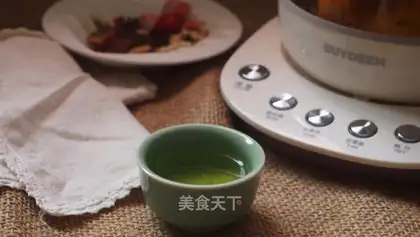
In the realm of natural superfoods, few plants have garnered as much attention as Gynostemma pentaphyllum, commonly known as "Jiaogulan" or "Southern Ginseng." Native to the mountainous regions of China, Japan, and Southeast Asia, this climbing vine has been used for centuries in traditional medicine for its remarkable adaptogenic and healing properties. Often referred to as the "herb of immortality" in rural China, Jiaogulan has transitioned from a local remedy to a global wellness phenomenon, celebrated for its rich nutritional profile and diverse health benefits. This article explores the nutritional composition of Jiaogulan, its scientifically supported health benefits, and important precautions for safe consumption.
Nutritional Composition of Jiaogulan
Jiaogulan’s nutritional value lies in its dense concentration of bioactive compounds, including ginsenosides (also called "gypenosides"), flavonoids, saponins, polysaccharides, and essential amino acids. These compounds work synergistically to exert therapeutic effects, making Jiaogulan a nutritional powerhouse.
1. Ginsenosides (Gypenosides)
The most well-known constituents of Jiaogulan are ginsenosides, a group of triterpenoid saponins that are also found in Panax ginseng (true ginseng). However, Jiaogulan contains over 80 unique gypenosides—nearly four times the number of ginsenosides in true ginseng. These compounds are classified as "adaptogens," meaning they help the body resist physical, chemical, and biological stress by regulating the hypothalamic-pituitary-adrenal (HPA) axis. Notable gypenosides, such as gypenoside XLIX and gypenoside III, have been studied for their antioxidant, anti-inflammatory, and cardioprotective properties.
2. Flavonoids and Polyphenols
Jiaogulan is rich in flavonoids, including quercetin and kaempferol, which are potent antioxidants. These compounds neutralize free radicals—unstable molecules that cause oxidative stress and cellular damage. Oxidative stress is linked to chronic diseases such as cancer, diabetes, and neurodegenerative disorders, making Jiaogulan’s flavonoid content a key asset for long-term health.
3. Polysaccharides
Complex carbohydrates known as polysaccharides in Jiaogulan support immune function by enhancing the activity of macrophages and natural killer (NK) cells. These immune-modulating polysaccharides also exhibit anti-tumor properties, as they can inhibit the proliferation of cancer cells and promote apoptosis (programmed cell death).
4. Amino Acids and Vitamins
Jiaogulan contains all 20 essential amino acids, making it a complete plant-based protein source. It is particularly high in arginine, which supports cardiovascular health by improving blood flow and reducing blood pressure. Additionally, the plant provides vitamins A, C, and E, as well as minerals like zinc, selenium, and chromium, which play critical roles in immune function, metabolism, and antioxidant defense.
Health Benefits of Jiaogulan
The synergy of Jiaogulan’s bioactive compounds contributes to a wide range of health benefits, backed by both traditional use and modern scientific research.
1. Cardiovascular Health
Jiaogulan is perhaps most celebrated for its heart-protective effects. Studies show that gypenosides help lower LDL ("bad") cholesterol and triglycerides while increasing HDL ("good") cholesterol, reducing the risk of atherosclerosis. The herb also regulates blood pressure by inhibiting angiotensin-converting enzyme (ACE), a key player in hypertension. Furthermore, its antioxidant properties prevent oxidative damage to blood vessels, improving elasticity and circulation. A 2013 study published in the Journal of Ethnopharmacology found that Jiaogulan supplementation significantly reduced blood pressure in hypertensive patients within 3 months of consistent use.
2. Adaptogenic Stress Relief
As an adaptogen, Jiaogulan helps the body adapt to stress by modulating cortisol levels, the primary stress hormone. Chronic elevated cortisol is linked to anxiety, insomnia, and weakened immunity. Jiaogulan’s gypenosides support adrenal function, preventing cortisol overproduction and promoting a balanced stress response. Research indicates that it can reduce symptoms of anxiety and depression by enhancing serotonin and GABA activity in the brain. A 2016 study in Phytomedicine reported that Jiaogulan extract improved mood and reduced fatigue in individuals with chronic stress.
3. Blood Sugar Regulation
Jiaogulan shows promise in managing diabetes and metabolic syndrome. Its active compounds enhance insulin sensitivity, allowing cells to efficiently take up glucose from the bloodstream. A 2020 study in Journal of Diabetes Research found that diabetic patients who consumed Jiaogulan tea experienced a 20% reduction in fasting blood glucose levels after 12 weeks. Additionally, the herb’s antioxidant properties protect pancreatic beta cells, which are responsible for insulin production, from oxidative damage.
4. Immune System Support
Jiaogulan’s polysaccharides and flavonoids stimulate immune cell activity, making it a valuable ally against infections and diseases. Research shows that it increases the production of interleukin-2 (IL-2) and interferon-gamma (IFN-γ), which are critical for activating immune responses. A 2018 study in International Immunopharmacology demonstrated that Jiaogulan extract enhanced NK cell activity by 30% in healthy volunteers, improving their ability to target virus-infected and cancerous cells.
5. Anti-Cancer Properties
Preliminary studies suggest that Jiaogulan may inhibit tumor growth and metastasis. Gypenosides induce apoptosis in cancer cells, including those of the breast, lung, and liver, while sparing healthy cells. The herb also inhibits angiogenesis—the formation of new blood vessels that tumors rely for growth. A 2019 study in Oncology Reports found that gypenoside XLIX suppressed the proliferation of colorectal cancer cells by downregulating the PI3K/Akt signaling pathway, a key pathway in cancer cell survival.
6. Anti-Aging and Longevity
Jiaogulan’s potent antioxidant and anti-inflammatory effects contribute to its anti-aging benefits. By reducing oxidative stress and cellular damage, the herb helps protect DNA and telomeres (the "caps" at the end of chromosomes that shorten with age). A 2017 study in Biogerontology reported that Jiaogulan extract extended the lifespan of Caenorhabditis elegans (a model organism for aging research) by 22%, attributed to its activation of sirtuins, longevity-associated genes.
Precautions and Potential Side Effects
While Jiaogulan is generally safe for most people when consumed in moderation, certain precautions must be observed to avoid adverse effects.
1. Pregnancy and Breastfeeding
Pregnant and breastfeeding women should avoid Jiaogulan due to its potential hormone-modulating effects. Some compounds in the herb may stimulate uterine contractions or affect hormone levels, posing risks to fetal development or infant health.
2. Blood Pressure and Blood Sugar Medications
Jiaogulan’s ability to lower blood pressure and blood sugar may interact with medications such as antihypertensives (e.g., ACE inhibitors, beta-blockers) and diabetes drugs (e.g., metformin, insulin). Combining Jiaogulan with these medications may lead to excessively low blood pressure or hypoglycemia. Individuals taking such medications should consult a healthcare provider before using Jiaogulan.
3. Autoimmune Diseases
Jiaogulan stimulates immune activity, which can exacerbate autoimmune conditions like rheumatoid arthritis, lupus, or multiple sclerosis. In such cases, the herb may trigger inflammation or worsen symptoms. People with autoimmune diseases should avoid Jiaogulan unless supervised by a medical professional.
4. Surgery
Due to its potential effects on blood pressure and blood clotting, Jiaogulan should be discontinued at least 2 weeks before surgery. It may increase the risk of bleeding during and after surgical procedures.
5. Dosage and Quality
Excessive consumption of Jiaogulan may cause mild side effects such as nausea, diarrhea, or dizziness. The recommended dosage varies by product (e.g., tea, capsules, extract), but most studies use 3–9 grams of dried herb per day. It is crucial to source Jiaogulan from reputable suppliers to avoid contamination with heavy metals or pesticides.
Conclusion
Jiaogulan, or "Southern Ginseng," is a nutritional and medicinal marvel with a rich history in traditional medicine and growing scientific validation. Its unique blend of ginsenosides, flavonoids, and polysaccharides supports cardiovascular health, stress relief, blood sugar regulation, immune function, and even anti-aging. However, like any potent herb, it must be used with caution, particularly by pregnant women, those on medications, and individuals with autoimmune conditions.
As interest in natural wellness continues to rise, Jiaogulan stands out as a versatile and accessible superfood. Whether consumed as tea, capsules, or tincture, incorporating this "herb of immortality" into a balanced diet may offer profound health benefits—provided it is used responsibly and in consultation with a healthcare provider. In a world where chronic stress and disease are prevalent, Jiaogulan serves as a reminder of nature’s power to heal and nourish.