Introduction
In the vibrant tapestry of global vegetables, few are as visually striking and nutritionally potent as the Xinlimei—literally "beautiful heart" radish—known for its stunning interior hues ranging from magenta and pink to crimson and white. A staple in East Asian cuisine for centuries, this root vegetable, scientifically classified as Raphanus sativus var. longipinnatus, belongs to the Brassicaceae family, alongside broccoli and kale. While often celebrated for its crisp texture and peppery bite, Xinlimei’s true value lies in its dense concentration of vitamins, minerals, antioxidants, and bioactive compounds. Beyond its culinary versatility, this humble vegetable has been revered in traditional medicine for its ability to promote digestion, boost immunity, and support overall well-being. However, like all foods, Xinlimei must be consumed mindfully to avoid potential side effects. This article delves into the nutritional profile, health benefits, and precautions associated with Xinlimei, offering a comprehensive guide to unlocking its full potential.
Nutritional Profile: A Treasure Trove of Essential Nutrients
Xinlimei’s nutritional composition reads like a blueprint for a healthy diet, combining macronutrients, micronutrients, and phytochemicals in a low-calorie package. A 100-gram serving of raw Xinlimei (approximately one small radish) contains just 16 calories, making it an ideal choice for weight-conscious individuals. Its carbohydrate content is minimal (3.4 grams), with nearly 1.9 grams coming from dietary fiber—crucial for digestive health and blood sugar regulation.
The vegetable shines in its micronutrient density. It is an exceptional source of vitamin C, providing 25 milligrams per 100-gram serving—over 25% of the daily recommended intake for adults. Vitamin C, a potent antioxidant, plays a vital role in collagen synthesis, immune function, and iron absorption. Xinlimei also boasts significant levels of vitamin B6 (0.1 mg), folate (25 mcg), and vitamin K (1.3 mcg), which support metabolism, DNA repair, and bone health, respectively.
Mineral-wise, Xinlimei is rich in potassium (233 mg), a mineral that regulates blood pressure by balancing sodium levels and supporting fluid balance. It also provides smaller but meaningful amounts of calcium (25 mg), magnesium (10 mg), and iron (0.3 mg), contributing to bone strength, muscle function, and oxygen transport.
What truly sets Xinlimei apart, however, is its phytochemical content. The vibrant magenta core is rich in anthocyanins—flavonoid antioxidants responsible for its striking color. Anthocyanins have been extensively studied for their anti-inflammatory, anti-cancer, and neuroprotective properties. Additionally, Xinlimei contains glucosinolates, sulfur-containing compounds unique to cruciferous vegetables. When chewed or chopped, these compounds convert to isothiocyanates (e.g., sulforaphane), compounds renowned for their detoxification and anti-cancer effects. The vegetable also smaller amounts of flavonoids (e.g., quercetin) and phenolic acids, further enhancing its antioxidant capacity.
Health Benefits: From Digestion to Disease Prevention
The synergy of nutrients and phytochemicals in Xinlimei translates to a host of health benefits, supported by both traditional use and modern scientific research.
1. Digestive Health: A Natural Gut Tonic
Xinlimei has long been used in traditional Chinese medicine to alleviate digestive discomfort, a benefit now validated by science. Its high fiber content (both soluble and insoluble) adds bulk to stool, promoting regular bowel movements and preventing constipation. The insoluble fiber acts like a "scrub" for the digestive tract, while soluble fiber ferments in the colon to produce short-chain fatty acids (SCFAs), which nourish beneficial gut bacteria and reduce inflammation.
Glucosinolates further support digestion by stimulating the secretion of digestive enzymes, enhancing nutrient absorption. Additionally, Xinlimei’s natural enzymes, such as amylase and protease, aid in breaking down carbohydrates and proteins, easing the burden on the pancreas and intestines. For those prone to bloating or indigestion, a small serving of raw Xinlimei after meals can provide relief.
2. Immune Boost: Strengthening the Body’s Defenses
Vitamin C is the cornerstone of Xinlimei’s immune-boosting properties. This antioxidant enhances the production and function of white blood cells, particularly lymphocytes and phagocytes, which are critical for fighting infections. Studies show that regular vitamin C intake reduces the duration and severity of colds and respiratory infections.
Xinlimei’s anthocyanins and glucosinolates further fortify immunity by modulating inflammatory pathways. Chronic inflammation is a known contributor to immune dysfunction, and these compounds inhibit pro-inflammatory enzymes (e.g., COX-2), reducing inflammation and supporting a balanced immune response.
3. Weight Management: Low-Calorie, High-Satiety
For individuals aiming to lose or maintain weight, Xinlimei is a nutritional ally. Its low calorie and high fiber content create a sense of fullness (satiety), reducing overall calorie intake. The fiber slows gastric emptying, keeping hunger at bay between meals. Additionally, Xinlimei’s water content (over 95%) adds volume without calories, making it a hydrating, low-energy-dense food.
A 2020 study in the Journal of the Academy of Nutrition and Dietetics found that high-fiber vegetables like Xinlimei are associated with greater weight loss and improved metabolic markers in overweight individuals. Its peppery flavor also makes it a satisfying substitute for high-calorie condiments, such as creamy dressings or sugary sauces.
4. Cardiovascular Health: Protecting the Heart and Blood Vessels
Xinlimei’s combination of potassium, fiber, and antioxidants makes it a heart-healthy food. Potassium counteracts the effects of sodium, lowering blood pressure and reducing the risk of hypertension—a major risk factor for heart disease and stroke. The fiber in Xinlimei binds to excess cholesterol in the digestive tract, preventing its absorption and promoting its excretion, thereby lowering LDL ("bad") cholesterol levels.
Anthocyanins, responsible for Xinlimei’s magenta hue, have been shown to improve endothelial function (the health of blood vessel linings) and reduce oxidative stress in arteries. A 2018 study published in the American Journal of Clinical Nutrition linked high anthocyanin intake to a 32% lower risk of heart attacks in young and middle-aged women.
5. Cancer Prevention: Harnessing the Power of Phytochemicals
Perhaps the most compelling research on Xinlimei revolves around its anti-cancer potential. Glucosinolates, when converted to isothiocyanates, activate phase II detoxification enzymes in the liver. These enzymes neutralize carcinogens (cancer-causing compounds) before they can damage DNA. Sulforaphane, a well-studied isothiocyanate, has been shown to inhibit the growth of cancer cells in vitro and in vivo, particularly in the colon, breast, and prostate.
Anthocyanins also play a role in cancer prevention by inducing apoptosis (programmed cell death) in malignant cells and inhibiting angiogenesis (the formation of new blood vessels that tumors need to grow). A 2021 review in Nutrients highlighted that regular consumption of cruciferous vegetables like Xinlimei is associated with a reduced risk of colorectal, lung, and stomach cancers.
6. Skin and Hair Health: Radiance from Within
Vitamin C in Xinlimei is not just for immunity—it is also essential for skin health. This vitamin is a cofactor for collagen synthesis, the protein that gives skin its elasticity and firmness. Adequate vitamin C intake reduces wrinkles, improves skin texture, and accelerates wound healing.
The antioxidants in Xinlimei (vitamin C, anthocyanins, and quercetin) protect skin from oxidative damage caused by UV radiation and pollution, slowing down the aging process. For hair, Xinlimei’s vitamin B6 and folate support the production of red blood cells, which carry oxygen and nutrients to hair follicles, promoting healthy growth.
Precautions and Potential Side Effects: Mindful Consumption While Xinlimei is a nutritional powerhouse, it is not without precautions. Certain individuals should limit their intake or consume it with caution to avoid adverse effects.
1. Goitrogenic Effects: A Concern for Thyroid Health
Xinlimei, like other cruciferous vegetables, contains goitrogens—compounds that interfere with thyroid function by inhibiting the uptake of iodine, a mineral essential for thyroid hormone production. For individuals with iodine deficiency or pre-existing thyroid conditions (e.g., hypothyroidism), excessive consumption of raw Xinlimei may exacerbate thyroid dysfunction.
Mitigation: Cooking Xinlimei significantly reduces its goitrogen content. Boiling, steaming, or stir-frying for 10–15 minutes inactivates goitrogens, making it safe for most people. Those with thyroid issues should consult a healthcare provider and consume Xinlimei in moderation (1–2 servings per week).
2. Digestive Discomfort: Fiber and Gas
While fiber is beneficial for digestion, a sudden increase in fiber intake—especially from raw Xinlimei—can cause bloating, gas, or abdominal cramping in some individuals. This is particularly true for those with irritable bowel syndrome (IBS) or a sensitive gut.
Mitigation: Start with small portions of raw Xinlimei and gradually increase intake. Pairing it with easily digestible foods (e.g., rice or yogurt) can also reduce discomfort. Cooking Xinlimei makes its fiber more gentle on the digestive system.
3. Drug Interactions: Blood Thinners and Blood Pressure Medications
Xinlimei’s high vitamin K content (a nutrient essential for blood clotting) can interact with anticoagulant medications (e.g., warfarin). Vitamin K works opposite to these drugs, which aim to prevent blood clots. Sudden changes in vitamin K intake can alter the drug’s effectiveness, increasing the risk of bleeding or clotting.
Mitigation: Individuals taking blood thinners should maintain consistent vitamin K intake by consuming Xinlimei in moderate, regular amounts rather than large, sporadic servings. Consulting a doctor or pharmacist is advisable.
For those on blood pressure medications, Xinlimei’s potassium content may enhance the effects of ACE inhibitors or diuretics, leading to dangerously low blood pressure (hypotension). Monitoring blood pressure regularly and adjusting medication dosage under medical supervision is essential.
4. Pesticide Residues: Opt for Organic
As a root vegetable, Xinlimei is often exposed to pesticides during cultivation, which can accumulate in its skin and flesh. Pesticide residues pose health risks, particularly with long-term consumption.
Mitigation: Choose organic Xinlimei when possible, as organic farming prohibits synthetic pesticides. If organic is unavailable, thoroughly wash Xinlimei under running water and peel it to reduce residue levels.
Culinary Uses: Enjoying Xinlimei Creatively
Incorporating Xinlimei into your diet is easy, thanks to its versatility. Here are some popular ways to enjoy this nutrient-dense vegetable:
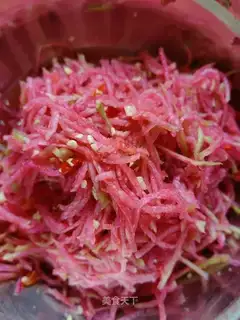
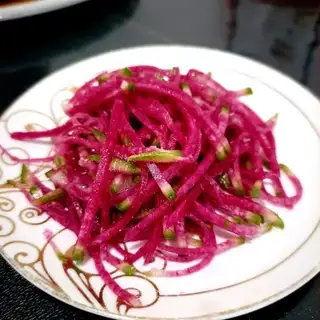
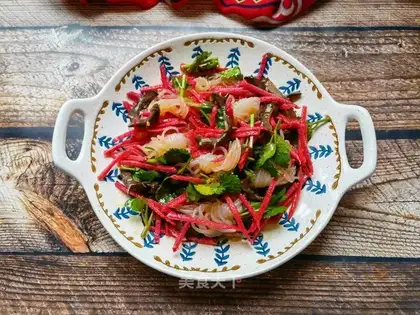
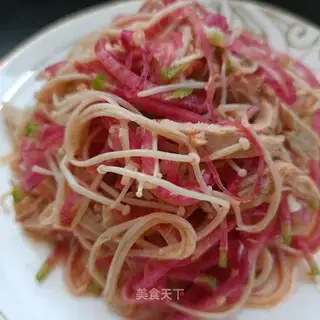
- Raw: Thinly sliced or grated Xinlimei adds a crunchy, peppery bite to salads, slaws, or sandwiches. Its vibrant color makes dishes visually appealing.
- Pickled: Xinlimei is a star in Asian pickles (e.g., danmuji in Korean cuisine), where it is marinated in vinegar, sugar, and garlic for a tangy, probiotic-rich snack.
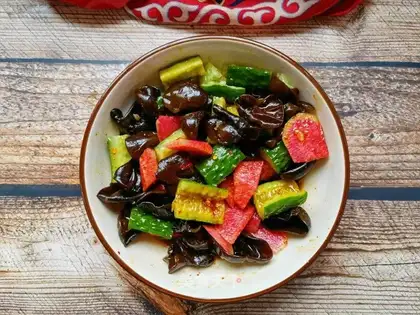
- Cooked: Stir-frying, roasting, or boiling Xinlimei mellows its peppery flavor and enhances its natural sweetness. It pairs well with meats, tofu, and other vegetables in stir-fries or soups.
- Juiced: Blending Xinlimei with carrots, apples, and ginger creates a nutrient-packed juice that retains its vitamins and antioxidants.
Conclusion: A Small Vegetable with Big Health Impacts
Xinlimei is more than just a pretty root vegetable—it is a nutritional powerhouse that offers a wide range of health benefits, from improved digestion and immunity to cancer prevention and heart health. Its rich content of vitamins, minerals, and phytochemicals makes it a valuable addition to any diet, while its low calorie and high fiber content support weight management and overall well-being.
However, mindful consumption is key. Individuals with thyroid issues, those on blood thinners, or those prone to digestive discomfort should take precautions, such as cooking Xinlimei and moderating intake. By incorporating Xinlimei into meals creatively and responsibly, you can harness its full potential and enjoy a healthier, more vibrant life.
In a world where superfoods are often overhyped, Xinlimei stands out as a humble, accessible, and scientifically-backed nutritional gem. Whether raw, pickled, or cooked, this "beautiful heart" vegetable is a testament to the idea that the healthiest foods are often the simplest ones.