Introduction
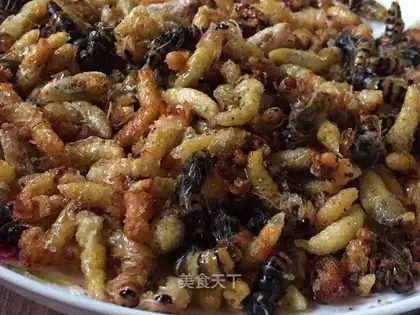
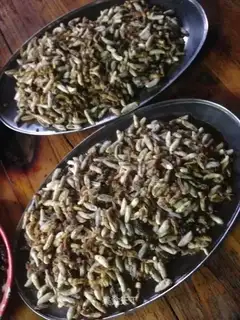
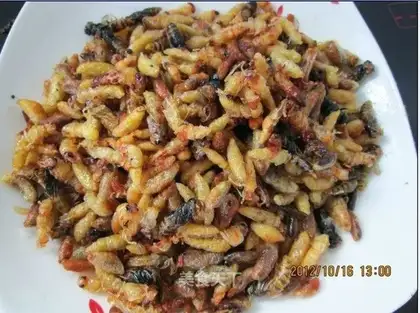
In the vast world of edible insects, bee pupa—the immature stage of honeybees (Apis mellifera) before they emerge as adults—stands out as a nutrient-dense delicacy with a rich history in traditional cuisines across Asia, Africa, and parts of Europe. Revered for its unique texture, subtle flavor, and exceptional health-promoting properties, bee pupa has transitioned from a regional staple to a global "superfood" candidate. As the demand for sustainable, protein-rich alternatives grows, this often-overlooked ingredient is gaining attention in nutrition science, wellness circles, and culinary innovation. This article explores the nutritional profile of bee pupa, its evidence-based health benefits, and critical precautions to ensure safe consumption.
Nutritional Profile: A Treasure Trove of Essential Nutrients
Bee pupa is a nutritional powerhouse, packing a concentrated blend of proteins, healthy fats, vitamins, and minerals that surpass many conventional foods. Its composition reflects the unique needs of a developing bee, making it particularly rich in nutrients vital for human health.
1. High-Quality Protein
Protein is the most abundant component of bee pupa, accounting for approximately 30–40% of its dry weight. Unlike plant-based proteins, bee pupa contains all nine essential amino acids (lysine, methionine, tryptophan, etc.), making it a "complete protein" source. These amino acids are the building blocks of muscles, enzymes, and hormones, supporting growth, tissue repair, and immune function. Notably, bee pupa’s protein is highly bioavailable, meaning the body can easily absorb and utilize it—more efficiently than some animal proteins like beef or chicken.
2. Healthy Fats and Fatty Acids
Bee pupa is rich in unsaturated fats, particularly monounsaturated and polyunsaturated fatty acids, including omega-3 and omega-6. These fats are crucial for brain health, reducing inflammation, and maintaining cardiovascular function. Additionally, it contains conjugated linoleic acid (CLA), a fatty acid linked to improved metabolism, fat loss, and immune regulation. The fat content also provides energy and aids in the absorption of fat-soluble vitamins (A, D, E, K).
3. Vitamins: A, B-Complex, and D
Bee pupa is a exceptional source of vitamins, particularly:
- Vitamin A: Essential for vision, immune function, and skin health. Bee pupa contains preformed vitamin A (retinol), which is more readily absorbed than plant-based beta-carotene.
- B-Complex Vitamins: It is loaded with B vitamins, including B1 (thiamine), B2 (riboflavin), B3 (niacin), B5 (pantothenic acid), and B6. These vitamins play key roles in energy metabolism, nerve function, and red blood cell production. For example, niacin supports cardiovascular health, while B6 aids in neurotransmitter synthesis.
- Vitamin D: Rarely found in non-animal foods, bee pupa contains small amounts of vitamin D, which is critical for bone health and immune regulation.
4. Minerals: Calcium, Iron, Zinc, and Selenium
The mineral content of bee pupa is equally impressive:
- Calcium: Vital for bone and teeth health, with levels comparable to dairy products.
- Iron: Bee pupa is a rich source of heme iron (the type found in animal products), which has a higher absorption rate than non-heme iron (from plants). This makes it particularly beneficial for preventing and treating iron deficiency anemia.
- Zinc: Essential for immune function, wound healing, and DNA synthesis. A single serving of bee pupa can provide over 50% of the daily recommended intake.
- Selenium: A powerful antioxidant that protects cells from damage and supports thyroid function.
5. Bioactive Compounds
Beyond macronutrients, bee pupa contains bioactive compounds like flavonoids, phenolic acids, and antimicrobial peptides. These compounds exhibit antioxidant, anti-inflammatory, and antimicrobial properties, contributing to its therapeutic potential.
Health Benefits: From Traditional Medicine to Modern Science
The consumption of bee pupa is rooted in traditional medicine, where it has been used to treat ailments ranging from fatigue to arthritis. Modern research is now validating many of these claims, highlighting its role in promoting overall health.
1. Boosts Immune Function
Bee pupa’s high protein, zinc, and selenium content makes it a potent immune booster. Zinc supports the development and function of immune cells, while selenium enhances antioxidant defenses, reducing oxidative stress that weakens immunity. Additionally, antimicrobial peptides in bee pupa may help fight harmful bacteria and viruses, offering protection against infections.
2. Enhances Muscle Recovery and Growth
Athletes and fitness enthusiasts often turn to bee pupa as a natural alternative to protein supplements. Its complete amino acid profile and high bioavailability facilitate muscle repair and growth after exercise. The presence of B vitamins further aids in energy production, reducing fatigue and improving exercise performance.
3. Supports Metabolic Health
The CLA and healthy fats in bee pupa may help regulate metabolism and reduce body fat. Studies suggest that CLA can enhance insulin sensitivity, lower LDL ("bad") cholesterol, and increase HDL ("good") cholesterol, reducing the risk of metabolic syndrome and type 2 diabetes.
4. Anti-Inflammatory and Antioxidant Effects
Chronic inflammation is linked to numerous diseases, including heart disease, cancer, and neurodegenerative disorders. Bee pupa’s flavonoids and phenolic acids neutralize free radicals, reducing oxidative stress and inflammation. This may alleviate symptoms of conditions like arthritis and protect against age-related cellular damage.
5. Improves Skin and Hair Health
The vitamin A and E content in bee pupa promotes skin elasticity and hydration, while its amino acids support collagen production—essential for youthful skin. Zinc also plays a role in sebum regulation, making it beneficial for acne-prone skin. For hair, the protein and B vitamins (especially biotin) strengthen follicles and prevent breakage.
6. Potential Anti-Cancer Properties
Emerging research suggests that bioactive compounds in bee pupa may inhibit cancer cell growth. For example, flavonoids have been shown to induce apoptosis (programmed cell death) in certain cancer cells, while selenium’s antioxidant properties protect DNA from mutations. However, more human studies are needed to confirm these effects.
Precautions and Potential Risks
While bee pupa offers numerous health benefits, it is not without risks. Certain precautions must be taken to ensure safe consumption, particularly for individuals with specific health conditions or allergies.
1. Allergic Reactions
Bee pupa is a potential allergen, especially for those allergic to bee stings or other insect products. Allergic reactions can range from mild (hives, itching) to severe (anaphylaxis, difficulty breathing). Individuals with known allergies should avoid bee pupa or consult a healthcare provider before consumption.
2. Heavy Metal Contamination
As with other insects, bee pupa may accumulate heavy metals (e.g., lead, cadmium) if the bees are exposed to polluted environments (e.g., contaminated soil or water). To minimize risk, source bee pupa from reputable suppliers that adhere to strict quality control standards and sustainable farming practices.
3. Bacterial and Parasitic Infections
Raw or improperly cooked bee pupa may harbor harmful bacteria (e.g., Salmonella, E. coli) or parasites. To eliminate this risk, bee pupa should be thoroughly cooked (e.g., boiled, grilled, or fried) before consumption. Pregnant women, young children, and immunocompromised individuals should avoid raw bee pupa due to higher susceptibility to foodborne illnesses.
4. Hormonal Effects
Bee pupa contains phytoecdysteroids, plant-based compounds that mimic insect hormones. While research on humans is limited, some studies suggest ecdysteroids may interact with human hormone receptors. Individuals with hormone-sensitive conditions (e.g., breast cancer, prostate cancer) should exercise caution and consult a doctor before consuming bee pupa regularly.
5. Sustainability and Ethical Sourcing
While bee pupa is a sustainable protein source (insects require less land, water, and feed than traditional livestock), overharvesting can disrupt local ecosystems. Consumers should choose suppliers that prioritize ethical and sustainable harvesting practices to avoid depleting wild bee populations.
Culinary Uses and How to Incorporate Bee Pupa into Your Diet
Bee pupa is versatile and can be prepared in numerous ways, depending on cultural preferences. In Southeast Asia, it is often stir-fried with garlic and chilies, grilled as a skewer, or added to soups and curries. In Europe, it is sometimes used as a topping for salads or incorporated into protein bars and snacks.
For those new to bee pupa, starting with small portions is advisable to assess tolerance. It can be purchased dried, frozen, or canned from specialty health food stores or online retailers. When cooking, ensure it reaches an internal temperature of 75°C (165°F) to kill any harmful pathogens.
Conclusion
Bee pupa is a nutrient-dense ingredient with remarkable health benefits, from boosting immunity and muscle growth to reducing inflammation and supporting metabolic health. Its complete protein profile, vitamin and mineral richness, and bioactive compounds make it a valuable addition to a balanced diet. However, like any food, it must be consumed with caution—particularly by those with allergies, compromised immune systems, or hormone-sensitive conditions. By sourcing responsibly and preparing it safely, bee pupa can be transformed from a traditional delicacy into a modern superfood, offering a sustainable and nutritious solution to global food challenges. As research continues to uncover its potential, bee pupa may soon become a staple in health-conscious diets worldwide.