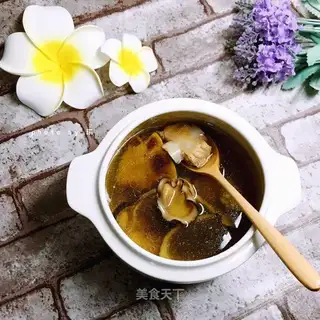
Turtle shell, known as Gui Ban in Traditional Chinese Medicine (TCM) and carapax et plastrum testudinis in scientific terminology, has been a revered ingredient in both culinary and medicinal practices for over 2,000 years. Sourced from various turtle species, particularly Chinemys reevesii and Pelodiscus sinensis, it is prized for its rich nutritional profile and therapeutic properties. This article explores the nutritional composition of turtle shell, its diverse health benefits, and important precautions for consumption, providing a comprehensive guide to this ancient yet potent ingredient.
Nutritional Value of Turtle Shell
Turtle shell is a nutritional powerhouse, comprising a unique blend of proteins, amino acids, collagen, minerals, and bioactive compounds that contribute to its health-promoting qualities.
1. High-Quality Protein and Amino Acids
Approximately 30–40% of turtle shell’s dry weight consists of protein, including essential amino acids such as glycine, proline, and hydroxyproline—key components of collagen. These amino acids are vital for synthesizing connective tissues, repairing damaged cells, and supporting muscle health. Unlike plant-based proteins, collagen from turtle shell is highly bioavailable, meaning it is easily absorbed and utilized by the body.
2. Collagen and Glycosaminoglycans
Turtle shell is one of the richest natural sources of type I collagen, a structural protein that maintains skin elasticity, joint flexibility, and bone strength. It also contains glycosaminoglycans (GAGs), such as chondroitin sulfate and hyaluronic acid, which help lubricate joints, reduce inflammation, and support cartilage health. These compounds make turtle shell a popular ingredient in anti-aging and joint-support supplements.
3. Essential Minerals
The shell is abundant in minerals critical for physiological functions:
- Calcium: Essential for bone and teeth formation, nerve signaling, and muscle contraction. Turtle shell calcium is highly bioactive, enhancing absorption compared to synthetic supplements.
- Phosphorus: Works synergistically with calcium to maintain bone density and energy metabolism.
- Zinc: Supports immune function, wound healing, and DNA synthesis.
- Iron: Prevents anemia by facilitating oxygen transport in the blood.
- Magnesium: Regulates blood pressure, blood sugar, and over 300 enzymatic reactions in the body.
4. Bioactive Compounds
Turtle shell contains unique bioactive peptides and polysaccharides with antioxidant, anti-inflammatory, and immunomodulatory effects. These compounds help neutralize free radicals, reduce oxidative stress, and modulate immune responses, potentially lowering the risk of chronic diseases.
Health Benefits of Turtle Shell
The nutritional composition of turtle shell translates into a wide range of health benefits, validated by both traditional use and modern scientific research.
1. Bone and Joint Health
Collagen and minerals in turtle shell are highly effective in treating osteoporosis, arthritis, and joint degeneration. Studies show that collagen peptides enhance bone mineral density by stimulating osteoblast (bone-forming cell) activity and inhibiting osteoclasts (bone-resorbing cells). For individuals with rheumatoid arthritis, the chondroitin sulfate in turtle shell reduces inflammation and pain by blocking pro-inflammatory cytokines like TNF-α and IL-6.
2. Anti-Aging and Skin Health
The high collagen content supports skin elasticity and hydration by stimulating fibroblast production, which synthesizes collagen and elastin. Turtle shell extracts also contain antioxidants that protect skin from UV damage and environmental pollutants, reducing wrinkles and improving skin texture. In TCM, turtle shell is often used in formulations to “nourish yin” and “moisten the skin,” addressing dryness and premature aging.
3. Immune System Modulation
Polysaccharides and peptides in turtle shell enhance immune function by activating macrophages, T-cells, and natural killer (NK) cells. Research indicates that these compounds increase the production of antibodies and cytokines, improving the body’s ability to fight infections and reduce inflammation. For chronic conditions like autoimmune disorders, turtle shell may help regulate immune responses, preventing overactivation.
4. Recovery from Illness and Fatigue
In TCM, turtle shell is classified as a “tonic” that restores vital energy (qi) and nourishes yin. It is commonly prescribed to individuals recovering from chronic illnesses, surgery, or exhaustion. The amino acids and minerals in turtle shell replenish nutrient stores, reduce fatigue, and promote tissue repair, making it a valuable adjunct to modern medical treatments.
5. Cardiovascular and Metabolic Health
Early studies suggest that turtle shell peptides may help lower blood pressure by inhibiting angiotensin-converting enzyme (ACE), a key regulator of blood pressure. Additionally, its fiber-like polysaccharides may improve cholesterol levels by reducing LDL (“bad”) cholesterol and increasing HDL (“good”) cholesterol. These effects contribute to a reduced risk of atherosclerosis and heart disease.
Precautions and Contraindications
While turtle shell offers numerous health benefits, its consumption must be approached with caution due to potential risks, ethical concerns, and specific health conditions.
1. Ethical and Environmental Considerations
Many turtle species are endangered or threatened due to habitat loss and overexploitation. The Convention on International Trade in Endangered Species of Wild Fauna and Flora (CITES) regulates the trade of certain turtle species, and sourcing turtle shell from unsustainable or illegal markets contributes to biodiversity loss. Consumers should prioritize turtle shell from certified farms or sustainable sources to minimize environmental harm.
2. Risk of Heavy Metal Contamination
Turtles are long-lived species that can accumulate heavy metals (e.g., mercury, lead, cadmium) in their shells through bioaccumulation. Consuming contaminated turtle shell may lead to heavy metal poisoning, causing kidney damage, neurological disorders, and developmental issues in children. It is crucial to source turtle shell from reputable suppliers that conduct rigorous heavy metal testing.
3. Allergic Reactions
Individuals with shellfish or seafood allergies may be sensitive to turtle shell, as both contain similar proteins. Allergic reactions can range from mild symptoms (hives, itching) to severe anaphylaxis. Those with known allergies should avoid turtle shell or consult a healthcare provider before consumption.
4. Contraindications in Specific Health Conditions
- Pregnancy and Lactation: Turtle shell’s effects on fetal and infant development are not well-studied. Pregnant or breastfeeding women should avoid it to prevent potential risks.
- Kidney Disease: High protein and mineral content may strain kidney function in individuals with chronic kidney disease (CKD). Medical supervision is essential for such patients.
- Blood Clotting Disorders: Turtle shell may have mild anticoagulant effects, increasing the risk of bleeding in people taking blood-thinning medications (e.g., warfarin).
5. Proper Preparation and Dosage
Raw turtle shell is hard and indigestible; it must be processed correctly to extract its nutrients. Traditional methods include stir-frying with wine to enhance efficacy or boiling into soups/broths. In modern supplements, turtle shell is often hydrolyzed into collagen peptides for better absorption. Recommended dosages vary by product and purpose, but excessive consumption may lead to digestive discomfort or mineral imbalances.
Conclusion
Turtle shell is a nutrient-dense ingredient with a long history of use in traditional medicine and modern wellness. Its rich collagen, amino acids, minerals, and bioactive compounds offer benefits for bone health, anti-aging, immunity, and recovery. However, ethical sourcing, contamination risks, and health precautions must be carefully considered to ensure safe and sustainable consumption. As research continues to uncover its therapeutic potential, turtle shell remains a valuable addition to a balanced diet—when used responsibly and with awareness of its complexities.
For those interested in incorporating turtle shell into their routine, consulting a TCM practitioner or healthcare provider is advisable to determine suitability, dosage, and preparation methods. By respecting both its traditional wisdom and modern science, consumers can harness the power of turtle shell while minimizing risks to health and the environment.