Introduction
Among the diverse treasures of the forest, the white boletus (Boletus edulis), often hailed as the "king of mushrooms," stands as one of the most prized edible fungi. Revered for its meaty texture, earthy flavor, and versatility in culinary arts, this mushroom is not merely a gastronomic delight but also a nutritional powerhouse. Found in temperate and boreal forests across North America, Europe, and Asia, the white boletus has been a staple in traditional diets for centuries. Today, as interest in functional foods and natural wellness grows, its nutritional profile, health benefits, and safe usage practices have come under increasing scrutiny. This article explores the nutritional value of white boletus, its evidence-based health benefits, and important considerations for consumption to ensure both enjoyment and safety.
Nutritional Profile of White Boletus
White boletus is a low-calorie, nutrient-dense food, offering a rich array of vitamins, minerals, proteins, and bioactive compounds. Its nutritional composition makes it a valuable addition to a balanced diet, particularly for those seeking plant-based sources of essential nutrients.
1. Macronutrients: Protein and Fiber
One of the most striking features of white boletus is its high protein content, accounting for approximately 20-30% of its dry weight. Unlike most plant-based proteins, which are often "incomplete," the white boletus contains all nine essential amino acids, including leucine, isoleucine, and lysine, making it a rare complete protein source in the fungal kingdom. This makes it particularly beneficial for vegetarians, vegans, and individuals looking to increase their protein intake without relying on animal products.
Additionally, white boletus is rich in dietary fiber, both soluble and insoluble. Soluble fiber, such as beta-glucans, helps regulate blood sugar levels and lower cholesterol, while insoluble fiber promotes digestive health by adding bulk to stool and preventing constipation. A 100-gram serving of fresh white boletus provides about 3-4 grams of fiber, contributing to 10-15% of the daily recommended intake for adults.
2. Micronutrients: Vitamins and Minerals
White boletus is a potent source of several essential vitamins and minerals, many of which are often lacking in modern diets.
- B Vitamins: It is exceptionally rich in B vitamins, including niacin (B3), riboflavin (B2), and pantothenic acid (B5). Niacin plays a crucial role in energy metabolism and nervous system function, while riboflavin supports antioxidant defense and skin health. Pantothenic acid is vital for synthesizing coenzyme A, which is involved in numerous metabolic reactions. Notably, white boletus is one of the few natural sources of vitamin B12, a nutrient typically found in animal products, making it valuable for vegans.
- Vitamin D: When exposed to sunlight, white boletus can synthesize vitamin D2 (ergocalciferol), a critical nutrient for bone health, immune function, and mood regulation. A 100-gram serving of sun-dried white boletus can provide up to 100% of the daily recommended intake of vitamin D, rivaling fatty fish like salmon.
- Minerals: The mushroom is packed with essential minerals, including potassium, copper, selenium, and iron. Potassium regulates blood pressure and fluid balance, copper supports iron absorption and antioxidant enzyme production, and selenium acts as a powerful antioxidant that protects cells from oxidative damage. Iron, essential for oxygen transport in the blood, is particularly abundant in dried white boletus, making it a useful food for individuals with iron-deficiency anemia.
3. Bioactive Compounds: Antioxidants and Polysaccharides
Beyond macronutrients and micronutrients, white boletus contains a variety of bioactive compounds that contribute to its health-promoting properties. These include:
- Polysaccharides: Such as beta-glucans, which have immunomodulatory effects, enhancing the activity of immune cells like macrophages and natural killer (NK) cells. These compounds also exhibit anti-cancer potential by inhibiting tumor growth and metastasis.
- Antioxidants: White boletus is rich in ergothioneine, a unique amino acid with potent antioxidant properties that protect cells from oxidative stress caused by free radicals. It also contains polyphenols and triterpenes, which have anti-inflammatory and anti-aging effects.
Health Benefits of White Boletus
The combination of nutrients and bioactive compounds in white boletus confers a wide range of health benefits, supported by both traditional use and modern scientific research.
1. Immune System Support
Beta-glucans and polysaccharides in white boletus are well-known for their ability to modulate the immune system. Studies have shown that these compounds enhance the activity of macrophages, which are key cells in the body’s first line of defense against pathogens. Additionally, they stimulate the production of cytokines, signaling molecules that regulate immune responses. Regular consumption of white boletus may help reduce the risk of infections and improve overall immune function, particularly in older adults or individuals with compromised immunity.
2. Anti-Inflammatory and Anticancer Properties
Chronic inflammation is a underlying factor in many diseases, including heart disease, diabetes, and cancer. White boletus contains several anti-inflammatory compounds, such as ergothioneine and polyphenols, which inhibit the production of pro-inflammatory cytokines like TNF-α and IL-6.
Research also suggests that white boletus may have anticancer effects. Test-tube and animal studies have found that its polysaccharides can inhibit the growth of cancer cells, including those of the breast, colon, and liver. Beta-glucans, in particular, have been shown to enhance the efficacy of chemotherapy drugs while reducing their side effects by boosting the immune system’s ability to target cancer cells.
3. Cardiovascular Health
White boletus supports heart health through multiple mechanisms. Its high potassium content helps regulate blood pressure by counteracting the effects of sodium, reducing the risk of hypertension. The fiber and beta-glucans in the mushroom lower LDL ("bad") cholesterol levels by binding to cholesterol in the digestive system and preventing its absorption. Additionally, its antioxidant properties protect blood vessels from oxidative damage, reducing the risk of atherosclerosis and heart disease.
4. Digestive Health
The fiber content in white boletus promotes a healthy digestive system by supporting the growth of beneficial gut bacteria. Soluble fiber acts as a prebiotic, feeding probiotics like Lactobacillus and Bifidobacterium, which are essential for gut health. A healthy gut microbiome is linked to improved digestion, reduced inflammation, and a lower risk of gastrointestinal disorders such as irritable bowel syndrome (IBS) and colorectal cancer.
5. Cognitive Health and Neuroprotection
Ergothioneine, a unique antioxidant found in high concentrations in white boletus, has been shown to cross the blood-brain barrier and protect neurons from oxidative stress. This property makes it a potential candidate for preventing neurodegenerative diseases like Alzheimer’s and Parkinson’s. Studies suggest that individuals with higher ergothioneine levels have a reduced risk of cognitive decline, highlighting the mushroom’s role in brain health.
6. Weight Management
White boletus is an excellent food for weight management due to its low calorie and high protein content. Protein increases satiety, reducing overall calorie intake by curbing hunger pangs. Additionally, its fiber content slows digestion, keeping you full for longer and preventing overeating. A 100-gram serving of fresh white boletus contains only about 30-40 calories, making it a guilt-free addition to meals for those looking to lose or maintain weight.
Safe Consumption: Precautions and Potential Side Effects
While white boletus is generally safe for most people, there are important considerations to ensure its consumption is both enjoyable and risk-free.
1. Identification and Foraging
The most critical aspect of consuming white boletus is proper identification. The mushroom has several toxic look-alikes, such as the Boletus satanas (sat bolete), which causes gastrointestinal distress, and the Tylopilus felleus (bitter bolete), which is inedible due to its bitter taste. Key identifying features of white boletus include:
- A thick, sturdy stem (stipe) with a reticulate (net-like) pattern near the cap.
- A pale to brown cap (5-30 cm in diameter) that is smooth and velvety when young.
- White to pale yellow pores on the underside of the cap, which turn bluish when bruised (a sign of edibility in boletes).
- No red or pink pores, which are characteristic of toxic species.
Foragers should always cross-reference multiple identification sources and, if unsure, consult an expert before consumption. Purchasing from reputable suppliers is the safest option for those unfamiliar with foraging.
2. Cooking and Preparation
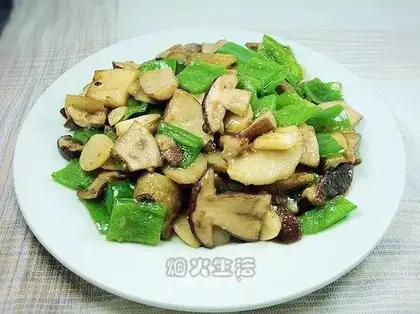
Raw white boletus contains chitin, a tough fiber that is difficult for humans to digest, as well as potential antinutrients that can interfere with nutrient absorption. Cooking breaks down chitin, making the nutrients more bioavailable, and neutralizes any harmful compounds. The mushroom should be cooked thoroughly, either sautéed, grilled, or stewed, to ensure safety and enhance its flavor.
3. Allergic Reactions
While rare, some individuals may be allergic to white boletus. Symptoms of an allergic reaction include hives, itching, swelling, or difficulty breathing. Those with known mushroom allergies should avoid consumption. Additionally, individuals with autoimmune diseases or taking immunosuppressant medications should consult a healthcare provider before consuming white boletus, as its immunomodulatory effects may interfere with medication.
4. Heavy Metal Contamination
Mushrooms are known to absorb heavy metals from the soil, such as cadmium and lead, which can pose health risks if consumed in large quantities. To minimize exposure, it is advisable to source white boletus from clean, unpolluted areas and avoid foraging near industrial sites or roadsides. Dried mushrooms should also be consumed in moderation, as the concentration of heavy metals may be higher in the dried form.
5. Drug Interactions
White boletus may interact with certain medications due to its high vitamin K content, which plays a role in blood clotting. Individuals taking anticoagulants like warfarin should monitor their vitamin K intake and consult a healthcare provider before consuming white boletus regularly. Additionally, the mushroom’s beta-glucans may enhance the effects of immune-boosting medications, so caution is advised for those undergoing immunotherapy.
Conclusion
The white boletus is a nutritional and culinary gem, offering a unique combination of protein, fiber, vitamins, minerals, and bioactive compounds that support overall health. From boosting immunity and reducing inflammation to promoting heart health and cognitive function, its benefits are backed by both traditional use and modern science. However, safe consumption requires careful identification, proper cooking, and awareness of potential risks such as allergic reactions and heavy metal contamination.
Incorporating white boletus into a balanced diet can be a delicious and nutritious way to enhance wellness. Whether sautéed as a side dish, added to soups and stews, or dried for long-term use, this "king of mushrooms" continues to captivate food enthusiasts and health-conscious individuals alike. By respecting its power and consuming it responsibly, we can fully appreciate the many gifts this forest delicacy has to offer.