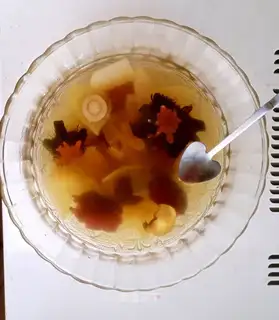
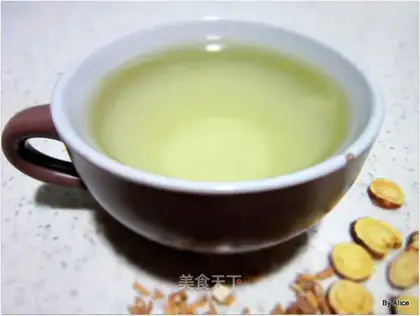
Banlangen, scientifically known as Isatis indigotica, is a staple in Traditional Chinese Medicine (TCM) and has been used for centuries to treat various ailments. Known as “Daqingye” (large green leaf) in its fresh form and “Banlangen” in dried slices, this blue-hued herb is renowned for its potent antiviral, anti-inflammatory, and detoxifying properties. While often consumed as a tea or medicinal soup, especially during cold and flu seasons, Banlangen is more than just a remedy—it is a nutrient-rich plant with a complex profile of bioactive compounds. This article explores the nutritional value of Banlangen, its evidence-based health benefits, and important precautions for safe consumption.
Nutritional Value of Banlangen
Banlangen’s therapeutic properties stem from its rich composition of alkaloids, polysaccharides, organic acids, and trace minerals. Unlike common vegetables, it is not typically consumed as a primary food source but valued for its concentrated bioactive compounds.
1. Bioactive Compounds
- Indirubin and Indigo: These deep blue pigments are responsible for Banlangen’s characteristic color and are potent anti-inflammatory and antiviral agents. Studies suggest they inhibit the replication of viruses, including influenza and hepatitis B, by blocking viral enzyme activity.
- Polysaccharides: Complex carbohydrates in Banlangen enhance immune function by activating macrophages and promoting cytokine production. These polysaccharides also exhibit antioxidant properties, neutralizing free radicals that cause cellular damage.
- Barlerin and Other Alkaloids: Alkaloids like barlerin contribute to Banlangen’s heat-clearing effects, making it effective in reducing fever and soothing sore throats. They also support liver detoxification by enhancing the activity of detoxifying enzymes.
2. Vitamins and Minerals
While not a major source of vitamins, Banlagen contains small amounts of vitamin C, which boosts immunity and aids collagen synthesis. It also provides essential minerals such as calcium, magnesium, and potassium, which support nerve function, muscle contraction, and blood pressure regulation.
3. Low in Calories, High in Fiber
As a low-calorie herb (approximately 20 kcal per 100g), Banlangen is suitable for weight management. Its dietary fiber content promotes digestive health by regulating bowel movements and feeding beneficial gut bacteria.
Health Benefits of Banlangen
Banlangen’s use in TCM is rooted in its ability to “clear heat, detoxify, and cool the blood.” Modern research has validated many of these traditional claims, highlighting its role in treating infections, boosting immunity, and supporting liver health.
1. Antiviral and Antibacterial Properties
Banlangen is most celebrated for its ability to combat viral and bacterial infections. The herb’s active compounds inhibit the synthesis of viral proteins, preventing viruses from multiplying. A 2018 study published in Journal of Ethnopharmacology found that Banlangen extract significantly reduced the replication of the influenza A virus in vitro. It is also effective against bacteria like Staphylococcus aureus and Escherichia coli, making it a natural alternative to antibiotics for mild infections.
2. Immune System Modulation
Regular consumption of Banlangen can enhance immune response. Polysaccharides in the herb stimulate the production of white blood cells, particularly natural killer (NK) cells, which target infected and cancerous cells. Research indicates that Banlangen polysaccharides increase the activity of T-lymphocytes, improving the body’s ability to fight off pathogens. This immune-boosting effect is why it is often recommended during cold and flu season or as a preventive measure for individuals with weakened immunity.
3. Anti-inflammatory and Fever-Reducing Effects
In TCM, Banlangen is classified as a “cold” herb, used to “clear heat” from the body, a concept that aligns with its anti-inflammatory properties. It reduces inflammation by inhibiting pro-inflammatory cytokines like TNF-α and IL-6. This makes it effective for treating sore throats, tonsillitis, and upper respiratory tract infections. A 2020 study in Phytomedicine confirmed that Banlangen extract reduced fever and inflammation in mice with induced lung injury, supporting its traditional use for reducing high fevers.
4. Liver Protection and Detoxification
Banlangen supports liver health by enhancing the activity of glutathione-S-transferase (GST), an enzyme critical for detoxifying harmful substances. It also prevents liver damage caused by toxins like alcohol and acetaminophen. A 2019 study in Hepatology Research found that Banlangen extract reduced liver inflammation and oxidative stress in rats with chemical-induced hepatitis, suggesting its potential as a hepatoprotective agent.
5. Antioxidant and Anti-Cancer Potential
The high antioxidant content of Banlagen, including flavonoids and polysaccharides, helps combat oxidative stress, a key factor in aging and chronic diseases. Studies indicate that its compounds induce apoptosis (programmed cell death) in cancer cells, particularly those of the liver, lung, and colon. While more research is needed, these findings highlight Banlangen’s potential as an adjunctive therapy in cancer treatment.
Precautions and Contraindications
Despite its benefits, Banlangen is not suitable for everyone. Its potent bioactive compounds can cause adverse effects if used improperly, particularly in long-term or high-dose consumption.
1. Cold Constitution and Spleen Deficiency
In TCM, Banlangen’s “cold” nature makes it unsuitable for individuals with a “cold constitution” (symptoms include cold limbs, poor digestion, and loose stools). People with spleen deficiency (a condition marked by fatigue and bloating) may experience digestive discomfort, such as diarrhea or abdominal pain, when consuming Banlangen.
2. Pregnancy and Breastfeeding
Pregnant and breastfeeding women should avoid Banlangen due to its uterine-stimulating potential. High doses may trigger contractions or affect fetal development. Limited research on its safety during lactation also warrants caution.
3. Autoimmune Diseases and Immune Disorders
While Banlangen boosts immunity in healthy individuals, it may overstimulate the immune system in people with autoimmune conditions like lupus, rheumatoid arthritis, or multiple sclerosis. This can exacerbate symptoms by increasing inflammation.
4. Drug Interactions
Banlangen may interact with certain medications, particularly anticoagulants (e.g., warfarin) and immunosuppressants. Its blood-thinning properties can increase the risk of bleeding when combined with anticoagulants, while its immune-enhancing effects may reduce the efficacy of immunosuppressants.
5. Long-Term Use and Dosage
Prolonged use of Banlangen (beyond 1–2 weeks) may lead to adverse effects, including nausea, vomiting, or liver toxicity. The recommended dosage for adults is 10–30g per day, prepared as a tea or decoction. Exceeding this dose without medical supervision is not advised.
Conclusion
Banlangen is a versatile herb with a long history of use in traditional and modern medicine. Its rich array of bioactive compounds—from antiviral alkaloids to immune-boosting polysaccharides—makes it a valuable natural remedy for infections, inflammation, and liver support. However, its potent effects also necessitate caution. Individuals with cold constitutions, autoimmune diseases, or those taking medications should consult a healthcare provider before use. When consumed appropriately, Banlangen can be a powerful ally in maintaining health, bridging the gap between traditional wisdom and scientific validation. As research continues to uncover its potential, this humble herb remains a testament to the enduring power of nature in healing.