Honeysuckle, scientifically known as Lonicera japonica, is a versatile and revered plant with a history spanning over 1,500 years in traditional medicine, particularly in Traditional Chinese Medicine (TCM). Known as “Jinyinhua” (金银花) in Chinese, meaning “gold-silver flower,” it is celebrated for its delicate white and yellow blossoms, aromatic fragrance, and potent medicinal properties. Beyond its traditional uses, modern science has increasingly validated its nutritional value, health benefits, and therapeutic applications. However, like many natural remedies, it must be used with caution to avoid potential risks. This article explores the nutritional profile, health benefits, and important precautions associated with consuming honeysuckle.
I. Nutritional Profile of Honeysuckle
While honeysuckle is not typically consumed as a staple food, its flowers, leaves, and stems are rich in bioactive compounds that contribute to its nutritional and medicinal value. The plant’s nutritional composition includes:
1. Bioactive Compounds
The most notable components of honeysuckle are its polyphenolic antioxidants, particularly flavonoids. Key flavonoids include:
- Chlorogenic acid: A potent antioxidant with anti-inflammatory and metabolic-regulating properties.
- Luteolin and apigenin: Flavonoids known for their antioxidant, anticancer, and neuroprotective effects.
- Rutin: Strengthens blood vessels and supports cardiovascular health.
These compounds are responsible for many of honeysuckle’s health benefits, as they combat oxidative stress—a key driver of chronic diseases.
2. Vitamins and Minerals
Honeysuckle contains small but significant amounts of essential vitamins and minerals, including:
- Vitamin C: A powerful antioxidant that boosts immunity and skin health.
- Calcium and potassium: Support bone health and regulate blood pressure.
- Iron: Essential for oxygen transport and energy production.
3. Essential Oils
The plant’s essential oils, such as linalool and borneol, contribute to its aromatic fragrance and antimicrobial properties. These oils are often extracted for use in aromatherapy and topical formulations.
4. Polysaccharides
Honeysuckle contains polysaccharides, which have immunomodulatory effects—meaning they can enhance or regulate the immune system’s response to pathogens.
In summary, while honeysuckle is not a calorie-dense food, its rich array of antioxidants, vitamins, and bioactive compounds makes it a valuable addition to a health-focused diet.
II. Health Benefits of Honeysuckle
Honeysuckle’s medicinal properties are well-documented in both traditional and modern research. Its health benefits span immune support, anti-inflammatory action, skin health, and more.
1. Immune System Support
One of the most celebrated benefits of honeysuckle is its ability to boost immunity. In TCM, it is classified as a "cooling" herb that clears "heat-toxins," making it a remedy for infections and fevers. Modern studies confirm its immunomodulatory effects:
- Antiviral and Antibacterial Properties: Honeysuckle extracts inhibit the growth of pathogens such as Staphylococcus aureus, Escherichia coli, and viruses like influenza and herpes simplex. The flavonoid chlorogenic acid, in particular, disrupts viral replication.
- Enhanced Immune Cell Activity: Polysaccharides in honeysuckle stimulate the activity of macrophages and natural killer (NK) cells, which are critical for fighting infections.
During cold and flu season, honeysuckle tea or syrups are commonly used to reduce symptoms like sore throat, cough, and fever. A 2020 study published in Journal of Ethnopharmacology found that honeysuckle extract significantly reduced the severity of influenza in mice by modulating immune responses.
2. Anti-Inflammatory and Antioxidant Effects
Chronic inflammation and oxidative stress are linked to conditions like arthritis, heart disease, and cancer. Honeysuckle’s high flavonoid content neutralizes free radicals—unstable molecules that damage cells—and reduces inflammation:
- Joint Health: Animal studies indicate that honeysuckle extracts alleviate arthritis symptoms by suppressing pro-inflammatory cytokines (e.g., TNF-α and IL-6).
- Neuroprotection: The antioxidants in honeysuckle may protect brain cells from oxidative damage, potentially reducing the risk of neurodegenerative diseases like Alzheimer’s.
3. Skin Health and Wound Healing
Topical applications of honeysuckle are prized for their ability to promote skin healing. Its antimicrobial and anti-inflammatory properties make it effective for treating acne, eczema, and minor wounds:
- Acne Treatment: Honeysuckle gel reduces acne-causing bacteria (Propionibacterium acnes) and inflammation, according to a 2018 study in Skinmed.
- Burn and Ulcer Care: In TCM, honeysuckle poultices are used to heal burns and ulcers. Research shows its extracts accelerate tissue regeneration by increasing collagen production.
4. Cardiovascular Support
Honeysuckle may benefit heart health by improving lipid metabolism and reducing blood pressure:
- Cholesterol Regulation: Animal studies suggest that chlorogenic acid lowers LDL ("bad") cholesterol and triglycerides while increasing HDL ("good") cholesterol.
- Blood Pressure Control: The potassium in honeysuckle helps relax blood vessels, reducing hypertension risk.
5. Respiratory Health
Honeysuckle is a popular remedy for respiratory ailments like bronchitis and asthma. Its expectorant properties help clear mucus from the airways, while its anti-inflammatory effects reduce swelling in the lungs. A 2019 study in Phytotherapy Research found that honeysuckle extract improved lung function in rats with chronic bronchitis.
6. Anticancer Potential
Preliminary research indicates that honeysuckle may inhibit cancer growth. Flavonoids like luteolin and apigenin induce apoptosis (programmed cell death) in cancer cells and prevent tumor angiogenesis (the formation of new blood vessels that feed tumors). While human trials are limited, test-tube and animal studies show promise against breast, lung, and liver cancers.
III. Precautions and Potential Side Effects
Despite its benefits, honeysuckle is not without risks. Improper use can lead to adverse effects, particularly in vulnerable populations.
1. Cold Nature and "Heat-Cold" Imbalance
In TCM, honeysuckle is classified as "cold," meaning it is best suited for conditions involving "heat" (e.g., fever, sore throat). Overconsumption in individuals with "cold" constitutions (e.g., those with poor digestion, fatigue, or cold limbs) may worsen symptoms like diarrhea or abdominal pain.
2. Allergic Reactions
While rare, some individuals may experience allergic reactions to honeysuckle, including skin rashes, itching, or difficulty breathing. Those allergic to other plants in the Caprifoliaceae family (e.g., elderflower) should exercise caution.
3. Drug Interactions
Honeysuckle may interact with medications, including:
- Blood Thinners: Its anticoagulant properties can enhance the effects of drugs like warfarin, increasing bleeding risk.
- Immunosuppressants: Honeysuckle’s immune-boosting effects may interfere with medications used by organ transplant recipients or autoimmune disease patients.
- Diabetes Drugs: Animal studies suggest honeysuckle may lower blood sugar, so combining it with diabetes medications could cause hypoglycemia.
4. Pregnancy and Breastfeeding
Pregnant and breastfeeding women should avoid honeysuckle due to limited safety data. Some compounds may stimulate uterine contractions or affect fetal development.
5. Dosage and Preparation
Excessive consumption of honeysuckle can lead to nausea, vomiting, or dizziness. The recommended dosage for tea is 3–9 grams of dried flowers per day, steeped in hot water. Tinctures and capsules should be used according to product labels or a healthcare provider’s guidance.
6. Quality and Purity
Honeysuckle products may be contaminated with pesticides or adulterated with other herbs. Sourcing from reputable suppliers and choosing organic, third-party tested products is essential.
IV. How to Incorporate Honeysuckle into Your Diet
Honeysuckle can be consumed in various forms, each offering unique benefits:
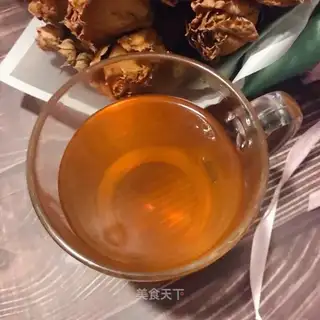
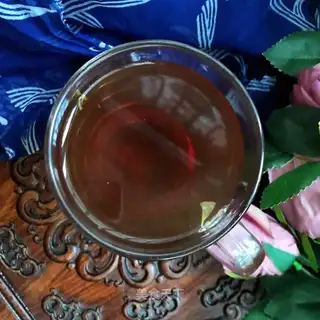
1. Honeysuckle Tea
The most common preparation, made by steeping dried flowers in hot water for 5–10 minutes. Add honey or lemon for flavor. Ideal for colds, sore throats, and daily immune support.
2. Honeysuckle Syrup
A homemade syrup can be made by boiling flowers with sugar and water. Used to soothe coughs and sore throats, particularly in children (ensure dosage is adjusted for age).
3. Topical Applications
Honeysuckle-infused oils or gels can be applied to the skin for acne, wounds, or inflammation.
4. Culinary Uses
In some regions, honeysuckle flowers are used to make jellies, vinegars, or infused beverages. However, culinary use is less common than medicinal applications.
Conclusion
Honeysuckle is a nutritional and medicinal powerhouse, offering a wide range of health benefits from immune support to skin healing. Its rich antioxidant profile and bioactive compounds make it a valuable natural remedy, but it must be used wisely. Understanding its "cold" nature in TCM, potential drug interactions, and proper dosage is crucial to avoiding adverse effects. For most people, moderate consumption of honeysuckle tea or topical applications can be a safe and effective way to harness its healing properties. As with any herbal remedy, consulting a healthcare provider before use—especially for those with underlying health conditions or taking medications—is essential. By respecting both its benefits and limitations, honeysuckle can be a meaningful addition to a holistic approach to health and wellness.