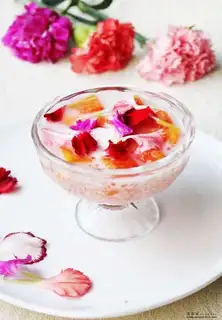
When one hears the word "carnation," the mind often drifts to vibrant, fragrant bouquets gifted on Mother’s Day or used in ornamental arrangements. Yet, beyond their decorative appeal, carnations (Dianthus caryophyllus) have a lesser-known identity: they are edible flowers with a rich history in culinary and medicinal traditions. For centuries, cultures across Europe, Asia, and the Middle East have incorporated carnation petals into dishes, teas, and remedies, valuing for their unique flavor profile and potential health benefits. Today, as interest in edible flowers and functional foods grows, carnations are gaining attention for their nutritional content, bioactive compounds, and versatility in the kitchen. This article explores the nutritional value of carnations, their evidence-based health benefits, and important precautions to consider before adding them to your diet.
I. Nutritional Value of Carnations
Carnations are more than just a pretty face; their petals pack a surprising nutritional punch, offering a range of vitamins, minerals, and bioactive compounds that contribute to their status as a functional food. While nutritional data on edible flowers is limited compared to common fruits and vegetables, existing studies and traditional use provide valuable insights.
1. Vitamins and Antioxidants
Carnation petals are a rich source of antioxidants, which play a critical role in neutralizing harmful free radicals and reducing oxidative stress—a key factor in aging and chronic diseases. Notably, they contain high levels of flavonoids, including anthocyanins, quercetin, and kaempferol. These compounds are responsible for the flower’s vibrant colors (from pink and red to purple) and have been linked to anti-inflammatory, antimicrobial, and cardioprotective effects.
In addition to flavonoids, carnations are a rare plant-based source of vitamin E, a fat-soluble antioxidant that supports skin health, immune function, and cell membrane integrity. They also contain small amounts of vitamin C, another potent antioxidant that boosts collagen production and enhances iron absorption.
2. Minerals
While not a primary source of minerals, carnation petals contribute trace amounts of essential nutrients, including calcium, potassium, and magnesium. Calcium is vital for bone health, potassium helps regulate blood pressure and fluid balance, and magnesium supports muscle function and nerve signaling. These minerals, though present in smaller quantities than in leafy greens or nuts, add to the flower’s nutritional diversity.
3. Bioactive Compounds
One of the most studied compounds in carnations is eugenol, a phenolic compound also found in cloves and cinnamon. Eugenol exhibits strong antimicrobial, anti-inflammatory, and analgesic properties, making carnation petals a traditional remedy for toothaches, sore throats, and digestive issues. Additionally, carnations contain saponins, plant compounds with potential cholesterol-lowering effects and immune-modulating properties.
4. Low in Calories, High in Flavor
Carnation petals are low in calories, with approximately 25–30 calories per 100 grams, making them a guilt-free way to enhance flavor and nutrition in dishes. Their taste is often described as spicy, clove-like, or subtly sweet, with a texture that is crisp and tender when fresh. This unique flavor profile allows them to replace high-calorie seasonings like salt or sugar, supporting healthier eating habits.
II. Health Benefits of Carnations
The combination of antioxidants, vitamins, and bioactive compounds in carnations translates to a range of potential health benefits. While more human clinical trials are needed, traditional use and preliminary research highlight several promising effects.
1. Anti-Inflammatory and Pain-Relieving Properties
Eugenol, the star compound in carnations, has been extensively studied for its anti-inflammatory effects. It inhibits enzymes like cyclooxygenase (COX), which are involved in the production of inflammatory prostaglandins. This makes carnation petals a natural remedy for conditions like arthritis, muscle soreness, and headaches. In traditional medicine, carnation tea was used to relieve menstrual cramps and reduce swelling, and modern research supports its potential as a complementary therapy for inflammatory conditions.
2. Immune System Support
The high antioxidant content of carnations, particularly flavonoids and vitamin C, helps strengthen the immune system by protecting immune cells from oxidative damage. Studies suggest that flavonoids can enhance the activity of natural killer (NK) cells and macrophages, which are critical for fighting off pathogens. Additionally, eugenol’s antimicrobial properties may help inhibit the growth of bacteria and fungi, further supporting immune defense.
3. Digestive Health
Carnation petals have long been used to alleviate digestive discomfort, including bloating, indigestion, and nausea. Eugenol helps relax the smooth muscles of the gastrointestinal tract, reducing spasms and improving digestion. Saponins, meanwhile, may support gut health by acting as prebiotics—feeding beneficial gut bacteria and promoting a balanced microbiome. Some traditional recipes call for carnation-infused wines or syrups to treat stomachaches, reflecting its historical use as a digestive aid.
4. Skin and Anti-Aging Benefits
The antioxidants in carnations, especially vitamin E and flavonoids, play a key role in skin health by protecting against UV-induced damage and reducing the appearance of wrinkles. Oxidative stress from pollution and UV rays breaks down collagen and elastin, leading to premature aging. By neutralizing free radicals, carnation petals may help maintain skin elasticity and radiance. Topically, carnation extracts are sometimes added to creams and lotions for their anti-inflammatory and wound-healing properties.
5. Cardiovascular Health
Flavonoids and potassium in carnations may support heart health by reducing blood pressure and lowering LDL ("bad") cholesterol. Quercetin, a flavonoid found in carnations, has been shown to improve endothelial function—the ability of blood vessels to dilate and contract—thereby enhancing blood flow and reducing the risk of atherosclerosis. Additionally, saponins may help inhibit cholesterol absorption in the gut, further protecting cardiovascular health.
6. Mood and Stress Relief
The spicy, warm aroma of carnations is thought to have calming effects on the mind. In aromatherapy, carnation essential oil is used to reduce anxiety and improve mood. While research on carnation petals and mental health is limited, their high flavonoid content may indirectly support brain health by reducing inflammation and oxidative stress, both of which are linked to depression and anxiety.
III. Culinary Uses and Preparation
Before incorporating carnations into your diet, it is essential to source them properly and prepare them safely. Not all carnations are edible—only the petals of Dianthus caryophyllus (the common carnation) and certain species like Dianthus plumarius are safe for consumption. Always choose organic, pesticide-free flowers from reputable suppliers, as flowers grown for ornamental purposes may be treated with chemicals harmful to humans.
1. Selecting and Storing Carnation Petals
- Look for fresh, vibrant petals: Avoid wilted or discolored petals, as they may be past their prime.
- Wash gently: Rinse petals under cold water to remove dirt, and pat dry with a paper towel.
- Store properly: Fresh petals can be stored in an airtight container in the refrigerator for 1–2 days. For longer use, they can be dried or frozen.
2. Culinary Applications
Carnation petals are incredibly versatile in the kitchen. Here are some popular ways to use them:
- Teas and Infusions: Steep fresh or dried petals in hot water to make a fragrant, spicy tea. For added benefits, combine with ginger or honey.
- Salads and Garnishes: Sprinkle whole petals over salads for color and flavor, or use them to garnish soups, desserts, and cocktails.
- Baking: Infuse petals into sugars, syrups, or butter for a unique twist on baked goods like cookies, cakes, and shortbreads.
- Jams and Jellies: Cook petals with fruit and sugar to make floral-infused jams.
- Seasonings: Grind dried petals into a powder to use as a spice for meats, vegetables, or spice blends.
3. Flavor Pairings
Carnation petals pair well with both sweet and savory dishes. Their spicy, clove-like flavor complements ingredients like:
- Fruits: Berries, apples, pears, and citrus fruits.
- Spices: Cinnamon, nutmeg, ginger, and cardamom.
- Dairy: Cream, yogurt, and cheese.
- Proteins: Chicken, pork, and seafood (especially when used in marinades or as a garnish).
IV. Precautions and Potential Side Effects
While carnations are generally safe when consumed in moderation, there are important precautions to keep in mind to avoid adverse effects.
1. Source Matters: Edible vs. Ornamental Varieties
Only the petals of Dianthus caryophyllus and specific edible species are safe to eat. Other varieties, such as those grown for floral arrangements, may be treated with pesticides, fungicides, or preservatives that are toxic if ingested. Always purchase edible carnations from certified organic suppliers or grow them yourself without chemicals.
2. Allergic Reactions
Like any new food, carnations may cause allergic reactions in sensitive individuals. Symptoms can include itching, hives, swelling, or difficulty breathing. If you have a history of flower allergies (especially to daisies, chrysanthemums, or other plants in the Asteraceae family), start with a small amount and monitor for adverse reactions.
3. Moderation is Key
Carnation petals should be consumed in moderation as part of a balanced diet. Excessive intake may lead to digestive discomfort, such as nausea or diarrhea, due to their high fiber and saponin content. Pregnant or breastfeeding women should consult a healthcare provider before adding carnations to their diet, as safety data for these groups is limited.
4. Drug Interactions
Eugenol in carnations may interact with certain medications, particularly blood thinners (e.g., warfarin) and anti-inflammatory drugs. If you are taking medication regularly, talk to your doctor before using carnations therapeutically.
5. Avoid the Calyx and Stem
Only the petals are edible; the calyx (green base of the flower) and stem should be discarded, as they may be tough and difficult to digest.
V. Conclusion
Carnations are a hidden gem in the world of edible flowers, offering a unique blend of flavor, nutrition, and health benefits. From their antioxidant-rich petals to their anti-inflammatory and immune-boosting properties, these flowers have much to offer beyond their ornamental beauty. Whether enjoyed as a fragrant tea, a vibrant salad garnish, or a spicy seasoning, carnations can elevate both the taste and nutritional profile of dishes.
However, it is crucial to approach them with caution: sourcing edible varieties, consuming them in moderation, and being aware of potential allergies or interactions. When used responsibly, carnations can be a delightful and healthful addition to a diverse diet, bridging the gap between nature’s beauty and wellness. As research on edible flowers continues to grow, carnations are poised to become a staple in kitchens seeking both flavor and function—proving that sometimes, the most extraordinary benefits come from the most unexpected places.