For centuries, mulberry leaves (Morus alba L.) have been revered in traditional medicine and cuisine across Asia, valued not only as the primary food for silkworms but also as a potent therapeutic and nutritional resource for humans. Often overlooked in Western diets, these vibrant green leaves—rich in bioactive compounds, vitamins, and minerals—offer a compelling case for integration into modern wellness practices. This article explores the nutritional profile of mulberry leaves, their evidence-based health benefits, potential risks, and creative ways to incorporate them into daily meals.
I. Nutritional Profile: A Treasure Trove of Bioactive Compounds
Mulberry leaves are a nutritional powerhouse, boasting an impressive array of macronutrients, micronutrients, and unique plant compounds that contribute to their health-promoting properties.
A. Macronutrients and Dietary Fiber
Fresh mulberry leaves are approximately 80% water, but their dry weight reveals high concentrations of beneficial macronutrients. They contain 9–15% protein, including essential amino acids such as aspartic acid, glutamic acid, and lysine, making them a rare plant-based source of complete protein. The leaves are also rich in dietary fiber (up to 30% in dry weight), which supports digestive health by promoting regular bowel movements and feeding beneficial gut bacteria.
B. Vitamins and Minerals
Mulberry leaves are exceptional sources of vitamins and minerals often lacking in modern diets. They are particularly high in:
- Vitamin K: Crucial for blood clotting and bone metabolism, with 100 grams of fresh mulberry leaves providing over 20% of the daily recommended intake.
- Vitamin C: A powerful antioxidant that supports immune function, skin health, and collagen synthesis.
- Vitamin A (as beta-carotene): Essential for vision, immune health, and cell growth.
- Iron: Important for oxygen transport and energy production, with mulberry leaves offering a non-heme iron source that is more easily absorbed when consumed with vitamin C.
- Calcium and Magnesium: Vital for bone health, muscle function, and nerve signaling.
C. Bioactive Compounds: The Source of Therapeutic Benefits
The most remarkable aspect of mulberry leaves is their concentration of bioactive compounds, which have been extensively studied for their medicinal properties:
- 1-Deoxynojirimycin (DNJ): A potent alkaloid that inhibits alpha-glucosidase, an enzyme responsible for breaking down carbohydrates into glucose. This mechanism is central to mulberry leaves’ antidiabetic effects.
- Flavonoids: Including quercetin, kaempferol, and rutin, which combat oxidative stress by neutralizing free radicals and reducing inflammation.
- Polyphenols: Such as chlorogenic acid and caffeic acid, which support cardiovascular health and metabolic function.
- Gamma-Aminobutyric Acid (GABA): A neurotransmitter that promotes relaxation and may help lower blood pressure.
II. Health Benefits: Backed by Science and Tradition
The combination of mulberry leaves’ nutrients and bioactive compounds underpins a wide range of health benefits, from blood sugar regulation to immune support.
A. Blood Sugar Management: A Natural Antidiabetic Agent
One of the most well-documented benefits of mulberry leaves is their ability to lower and stabilize blood sugar levels. The alkaloid DNJ inhibits carbohydrate absorption in the small intestine, slowing the release of glucose into the bloodstream. A 2012 study published in the Journal of Ethnopharmacology found that diabetic patients who consumed mulberry leaf extract experienced a significant reduction in postprandial (after-meal) blood glucose levels compared to a placebo. Additionally, animal studies suggest that mulberry leaves may improve insulin sensitivity by enhancing glucose uptake in cells, making them a valuable adjunct to diabetes management.
B. Cholesterol and Heart Health
High LDL (“bad”) cholesterol and triglyceride levels are major risk factors for cardiovascular disease. Mulberry leaves’ polyphenols and flavonoids help lower lipid levels by inhibiting cholesterol synthesis in the liver and promoting its excretion. A 2020 study in Phytotherapy Research demonstrated that mulberry leaf extract reduced total cholesterol and triglycerides by 15–20% in patients with hyperlipidemia (high blood lipids). Furthermore, the leaves’ ability to reduce oxidative stress in blood vessels may prevent atherosclerosis (hardening of the arteries).
C. Anti-Obesity and Metabolic Support
Obesity is linked to chronic inflammation and metabolic dysfunction, but mulberry leaves may offer a natural solution. DNJ not only regulates blood sugar but also reduces fat accumulation by inhibiting lipase, an enzyme that breaks down dietary fats. A 2018 study on obese mice found that those fed a mulberry leaf-supplemented diet gained 30% less weight and had lower visceral fat than the control group. For humans, this translates to potential support for weight management when combined with a balanced diet and exercise.
D. Antioxidant and Anti-Inflammatory Effects
Chronic inflammation and oxidative stress are underlying factors in aging, cancer, and neurodegenerative diseases. Mulberry leaves’ high flavonoid and polyphenol content neutralizes free radicals, reducing oxidative damage to cells. Research in the Journal of Agricultural and Food Chemistry shows that mulberry leaf extract has higher antioxidant activity than blueberries and green tea, thanks to its unique combination of compounds. These anti-inflammatory properties may also alleviate symptoms of conditions like arthritis and inflammatory bowel disease.
E. Liver Protection and Detoxification
The liver is responsible for detoxifying harmful substances, but toxins like alcohol and pollutants can damage it. Mulberry leaves’ antioxidants, particularly quercetin and rutin, protect liver cells from oxidative stress and support detoxification pathways. A 2019 study in Hepatology Reports found that mulberry leaf extract reduced liver inflammation and fat accumulation in rats with non-alcoholic fatty liver disease (NAFLD), suggesting potential benefits for humans with similar conditions.
F. Immune System Boost
Mulberry leaves’ high vitamin C content stimulates the production of white blood cells, enhancing the body’s ability to fight infections. Additionally, their polysaccharides have been shown to activate macrophages—immune cells that engulf pathogens—according to research in International Immunopharmacology. Regular consumption may reduce the frequency and severity of colds and flu.
G. Skin and Hair Health
The antioxidants and vitamins in mulberry leaves promote skin health by combating UV-induced damage and reducing signs of aging. Vitamin C supports collagen production, while flavonoids like quercetin inhibit melanin synthesis, potentially lightening dark spots and hyperpigmentation. For hair, the iron and vitamin content prevent hair loss and strengthen follicles, making mulberry leaf extract a common ingredient in hair care products.
III. Culinary Uses: From Traditional Teas to Modern Dishes
While mulberry leaves are often consumed as tea or in supplement form, they are a versatile ingredient in both sweet and savory dishes. Their mild, slightly grassy flavor pairs well with a variety of cuisines.
A. Mulberry Leaf Tea
The most common use of mulberry leaves is in tea. Dried or fresh leaves are steeped in hot water for 5–10 minutes, releasing their nutrients and creating a light, earthy brew. Tea can be enjoyed plain or sweetened with honey. In Japan, “mulberry cha” is a popular beverage, while in Korea, “gugija-cha” (mulberry leaf tea blended with goji berries) is prized for its health benefits.
B. Mulberry Leaf Powder
Dried mulberry leaves can be ground into a fine powder, which can be added to smoothies, soups, sauces, or baked goods (e.g., bread, cookies, and energy bars). Powder is a convenient way to boost the nutritional content of meals without altering flavor significantly.
C. Stir-Fries and Soups
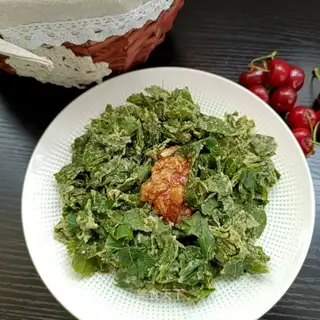
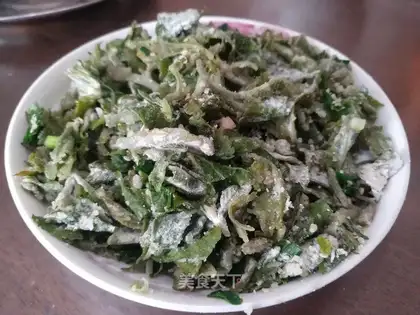
In parts of Asia, young mulberry leaves are blanched and stir-fried with garlic, ginger, and tofu, or added to miso soup and broths. Their tender texture and mild flavor make them a nutritious addition to vegetable dishes.
D. Mulberry Leaf Juice and Infusions
Fresh mulberry leaves can be juiced or blended into fruit smoothies for a nutrient boost. Infusions (cold-water steeping) are also popular, as they preserve heat-sensitive vitamins like vitamin C.
IV. Precautions and Potential Side Effects
While mulberry leaves are generally safe for most people, certain precautions should be taken to avoid adverse effects.
A. Blood Sugar Interactions
Due to their potent blood-lowering effects, mulberry leaves may interact with diabetes medications (e.g., metformin, insulin). Individuals taking such medications should monitor their blood sugar closely and consult a healthcare provider before consuming mulberry products to avoid hypoglycemia (dangerously low blood sugar).
B. Pregnancy and Breastfeeding
There is limited research on the safety of mulberry leaves during pregnancy and breastfeeding. Pregnant or nursing women should avoid consumption or consult a doctor to prevent potential risks.
C. Surgery
Mulberry leaves may lower blood sugar, which could interfere with blood sugar control during and after surgery. It is advisable to stop using mulberry leaf products at least two weeks before a scheduled surgical procedure.
D. Allergies
Though rare, some individuals may be allergic to mulberry leaves, especially those allergic to figs or latex (mulberry belongs to the Moraceae family, which includes these plants). Symptoms may include skin rash, itching, or difficulty breathing. Allergic individuals should avoid consumption.
E. Dosage Considerations
Excessive consumption of mulberry leaves may cause mild side effects such as diarrhea, bloating, or stomach discomfort due to their high fiber content. It is recommended to start with small doses (e.g., 1–2 cups of tea per day) and gradually increase as tolerated.
V. Conclusion: A Forgotten Superfood for Modern Health
Mulberry leaves are a nutritional and medicinal treasure, offering a natural solution to some of the most pressing health challenges of our time—from diabetes and obesity to inflammation and aging. Their rich profile of vitamins, minerals, and bioactive compounds, combined with centuries of traditional use and growing scientific validation, positions them as a valuable addition to a balanced diet.
However, like any natural remedy, moderation and awareness of potential interactions are key. By incorporating mulberry leaves into teas, powders, or meals, individuals can harness their health benefits while minimizing risks. As research continues to uncover their full potential, mulberry leaves may well transition from a niche ingredient to a mainstream superfood, bridging the gap between traditional wisdom and modern nutrition.
In a world where processed foods and chronic diseases are rampant, mulberry leaves remind us that nature’s solutions are often the most powerful—and accessible—of all.