Due to a decline in physical fitness, the elderly tend to prefer warmer foods during the winter. However, some experts suggest that it is beneficial for their health to consume appropriately "cool" foods. Eating "cold" foods in the winter can not only enhance gastrointestinal function by subjecting the stomach and intestines to a cold-resistance training but also cool the body from the inside. Here are the details:
Sticky Rice with Lotus Root
In winter, the elderly all enjoy eating something warm, but in fact, consuming some "cool" food appropriately not only helps the stomach and intestines to build cold resistance but also has certain health benefits.
The winter air is dry, and the elderly's physical activity decreases, which can easily lead to an accumulation of internal heat that cannot be dissipated in a timely manner. Depending on where the internal heat is located, different clinical manifestations may occur. For example, heat accumulation in the upper jiao can manifest as upper respiratory tract infections, pharyngitis, tonsillitis, or oral mucosal ulcers. Heat in the middle jiao may be indicated by a thick tongue coating, yellow urine, constipation, and thirst. Heat in the lower jiao can often induce or aggravate conditions like cystitis and hemorrhoids.
Eating "cold" foods can not only enhance gastrointestinal function and provide a cold-resistance workout for the stomach and intestines but also cool the body from the inside. Cold foods can stimulate the body's immune system, thereby enhancing immune function. However, the "cold" in winter is not "iced" but rather the lowest temperature should be set to the point where it doesn't feel "icy" to the touch.
The simplest winter health "cold drink" is plain boiled water. Drinking plain boiled water regularly in winter can boost metabolism, increase hemoglobin levels, and improve the body's immune function, preventing colds, pharyngitis, and other skin diseases. In particular, drinking a glass of plain boiled water on an empty stomach upon waking in the morning performs an "internal wash" for the body's organs, aiding in the day's food absorption and preventing constipation. Additionally, you can eat some cold dishes, like smashed cucumber salad or cold-dressed wood ear mushrooms, which are refreshing and increase appetite.
However, cold foods can only remove some of the body's internal heat, treating the symptoms but not the root cause. Therefore, it is also advisable to consume a moderate amount of "cool-natured" foods in winter, such as duck meat and white radish. These foods are best eaten with "warm-natured" foods. For example, beef is a warm-natured food, and stewing it with white radish makes for an excellent cool-warm combination.
Furthermore, in the dry winter climate, elderly people who often use foods like red dates and wolfberries for nourishment are prone to "internal heat" if they consume too much. Adding a cool-natured ingredient like lotus leaf can improve the nourishing effect. A food may be cool-natured, but if eaten warm, it can have unexpected health benefits. For instance, the famous southern dish, sticky rice with lotus root, is excellent for nourishing yin.
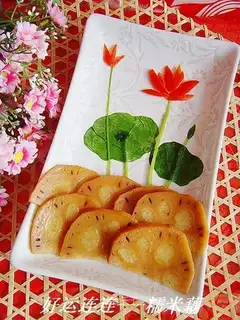 glutinous rice lotus root