In winter, it is important to keep warm and ensure adequate intake of protein, fat, carbohydrates, vitamins, and minerals. While maintaining a diverse diet, the following 8 cold-dispelling foods are especially recommended:
Stir-fried Soybean Sprouts
Soybean sprouts are the product of soybeans soaked and germinated in water. In this process, under the action of their own enzymes, the protein structure of the soybeans becomes loose, improving the digestibility and biological value of the protein. The content of vitamin B1, vitamin B2, vitamin C, and water-soluble fiber also increases, making it an ideal high-nutrition vegetable.
Milk is one of the best sources of nutrients for the human body. The protein in milk contains all 9 essential amino acids needed by the human body. The fat particles are small and in a highly dispersed state, so its digestibility is high. The carbohydrates in milk are mainly lactose, which is beneficial for the reproduction of lactic acid bacteria and inhibits the growth of spoilage bacteria. Traditional Chinese medicine (TCM) believes that milk is sweet and neutral in nature, with effects to nourish deficiency, support the body, promote fluid production, moisten the intestines, and relieve thirst. In winter, we need to pay special attention to supplementing calcium, and the calcium in milk is not only abundant but also easily absorbed.
Black beans have the highest protein content among all beans, even more than double that of pork leg. The fats they contain are mainly monounsaturated and polyunsaturated fatty acids, of which 50% are essential fatty acids needed by the human body. They also contain phospholipids, soy isoflavones, and biotin, so eating black beans can help lower cholesterol. TCM believes that black beans are neutral and sweet in nature, with the function of moistening the intestines and nourishing the blood.
Shiitake mushrooms contain a variety of vitamins and minerals, more than 50 types of enzymes and free amino acids, choline, adenine, ergosterol, and lentinan. They have the effect of inhibiting cholesterol synthesis in the body, promoting its decomposition and excretion, and preventing an increase in blood lipids.
Soybeans have relatively complete nutritional components. Their protein is "complete protein" and is high in lysine, which can compensate for the lack of lysine in grains. It can be used as a vegetable or as a substitute for grain, and eating soybeans in winter is particularly beneficial. TCM believes that soybeans are sweet in nature and have the effects of harmonizing the stomach, regulating the middle, strengthening the spleen, and benefiting qi.
Stir-fried Black Fungus
Black fungus contains relatively trace elements, vitamin B1, vitamin B2, carotene, mannose, xylose, lecithin, cephalin, calcium, iron, etc. It has the effect of preventing blood clotting, cerebrovascular and cardiovascular diseases, and constipation. TCM believes that black fungus is neutral and sweet in nature, with the effects of tonifying qi, benefiting intelligence, and generating blood, and is effective for anemia, soreness and weakness of the waist and legs, and numbness of the limbs.
Dog meat contains relatively high taurine and peptides, but very little fat. TCM believes that dog meat is warm in nature, with the effects of warming qi and tonifying the kidneys, helping yang to dispel cold, and is very effective for lower back pain, aversion to cold, frequent urination at night, and providing heat.
Sea bass is rich in easily digestible protein, fat, vitamin B2, niacin, calcium, phosphorus, potassium, copper, iron, selenium, etc. TCM believes that sea bass is warm and sweet in nature, with the effects of strengthening the spleen and stomach, nourishing the liver and kidneys, and relieving cough and resolving phlegm. In winter, sea bass is plump and its meat is delicate, making it the best season to enjoy it.
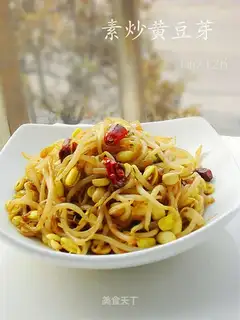 Soybean sprouts
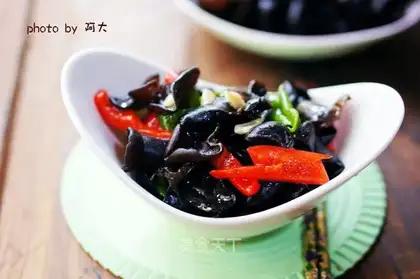 Blackwood