Anemia is a common occurrence, and when it happens, we must actively regulate our condition, otherwise it may harm our health. When supplementing blood, we need to be aware that certain foods should never be eaten. Let's learn together about which foods people with anemia should avoid!
1. Garlic
People with anemia must be careful not to eat garlic, as it can worsen anemia and affect health. Garlic contains more volatile substances, and excessive consumption can inhibit gastric juice secretion, reducing hemoglobin and red blood cells, thus aggravating anemia.
2. Milk
Milk is a drink we often consume, but people with anemia should avoid it. Milk has a low iron content but a high calcium and phosphorus content. The iron in the body can easily combine with the calcium and phosphorus in milk to form insoluble iron compounds, making the body's iron levels even more insufficient.
3. Alkaline Foods
People with anemia should not eat alkaline foods, as they are not conducive to the absorption and conversion of iron ions, making it difficult to supplement blood. An alkaline environment is not conducive to iron absorption, and a lack of stomach acid can also affect the release and conversion of iron from food. Therefore, anemia patients should try to consume less alkaline food, such as steamed buns, buckwheat noodles, etc.
4. Coffee
The substances in coffee can affect iron absorption, which is not conducive to supplementing blood and can worsen anemia. This is because polyphenols in coffee form indissolvable salts with iron, inhibiting its absorption. For anemia patients, it is very unsuitable. If you want to drink a beverage, it's best to replace coffee with orange juice. Indeed, coffee is not something that should be consumed long-term. The most important thing is not to overdo it; excessive consumption will cause problems even for those without anemia. The key is the quantity.
5. Tea
The tannic acid in tea can easily react with the body's iron, inhibiting its absorption and being detrimental to health. The inhibitory effect of tea on iron absorption is due to the formation of insoluble tannic iron in the digestive tract by the tannic acid in tea and iron. This substance cannot be absorbed by the small intestinal mucosal epithelial cells, hindering iron absorption, and a lack of iron in the body reduces hemoglobin synthesis, worsening anemia symptoms. If some friends cannot live without tea and insist on drinking it, they must control their tea intake appropriately.
6. Fat
Consuming too much fat can affect our digestion and absorption, making it difficult for anemia patients to supplement blood. Excessive fat can suppress the body's hematopoietic function, and too much fat also affects the digestion and absorption of anemia patients. Therefore, daily fat intake should not exceed 70 grams, with around 50 grams being generally appropriate. It is best to consume vegetable oils.
Iron-Rich Foods
Black Chicken and Chinese Yam Soup
1. Black Chicken
Black chicken can replenish qi and nourish blood, making it good for people with anemia, but it should not be eaten in excess. It nourishes yin and reduces deficiency heat. Black chicken soup is sweet and warm, tonifying deficiency, nourishing yin and blood, greatly replenishing qi and blood, suitable for those with yang deficiency and both qi and blood deficiency. However, it should not be eaten too often, a maximum of twice a month. Those who are prone to getting "heatiness" should not take it long-term.
2. Red Dates
Red dates are a common food for replenishing blood and qi. Eating them in moderation can improve anemia, nourish the stomach and spleen, replenish blood and calm the spirit; it can also moisten the heart and lungs, harmonize the nutrient and defensive qi, promote body fluids, open the orifices, and benefit the twelve meridians. It has a good regulatory effect on anemia, pale complexion, and irregular qi and blood.
3. Pork Liver
Pork liver contains a very high amount of iron and can effectively improve iron-deficiency anemia. People with blood deficiency or iron-deficiency anemia can eat more stir-fried pork liver with spinach in their daily diet.
4. Lotus Root
Lotus root is mild in nature. Fresh lotus root stops bleeding, while cooked lotus root replenishes blood. Raw lotus root can clear heat and cool blood, stop bleeding and dissipate stasis. Cooked lotus root can strengthen the spleen and stomach, and nourish blood. For patients with nosebleeds, fresh raw lotus root juice can be taken in an emergency for its rapid hemostatic effect. It is beneficial for women to eat more lotus root, but it should not be eaten raw during menstruation or by those who are generally cold and suffer from menstrual cramps. Diabetics should not eat cooked lotus root or lotus root starch.
People with anemia have many dietary taboos. The foods listed above should all be avoided, as they may worsen anemia and affect our health. It is also hoped that everyone can understand this information correctly, supplement their blood properly, and maintain their health. Wishing you a happy life!
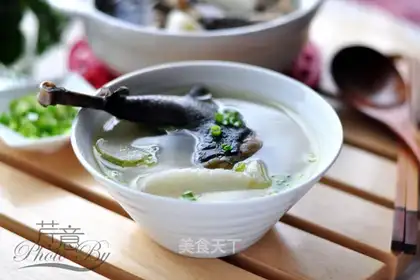 Chicken Mountain medicine soup