Research has found that vitamins B2 and E help the human body resist cold and enhance its ability to adapt to cold environments. Giving children foods rich in vitamin E in the winter can increase their cold tolerance.
Simply supplementing with vitamin B2 can lower the minimum cold temperature the human body can tolerate by 2-3°C. A person might get frostbite at -5 to -6°C, but after supplementing with vitamin B2, frostbite would only occur at -7 to -9°C. If children are supplemented with both vitamin B2 and vitamin E, their ability to tolerate cold is even stronger. Furthermore, vitamins B2 and E have other effects in the body. For instance, vitamin E can remove oxygen free radicals, enhance the body's resistance, improve blood circulation, and prevent cardiovascular diseases. In the cold winter, moderate supplementation of vitamins B2 and E can not only help resist the cold but also prevent and reduce various diseases induced by cold.
Stir-fried Rapeseed with Dried Shrimp
Foods rich in vitamin E
Vitamin E is abundant in wheat germ oil, cottonseed oil, corn oil, peanut oil, and sesame oil. It is also rich in lettuce leaves and citrus peels, and is found in almost all green leafy vegetables. Dairy products, eggs, and cod liver oil also contain a certain amount of vitamin E. However, animal foods such as meat and fish, as well as fruits and other non-leafy vegetables, contain very little vitamin E.
Foods rich in vitamin B2
Dairy products are the best source of vitamin B2, with even higher content in various types of cheese and yogurt. For children who do not like dairy products, they can eat more eggs, fruits, green leafy vegetables, beans, nuts, animal organs, poultry, whole-wheat bread, and grains. If necessary, vitamin B2 and E supplements can be taken appropriately.
Finally, a reminder to all parents: do not rely on vitamins to resist the cold, nor mistakenly believe that taking supplements will make you immune to the severe cold. In fact, these two nutrients only slightly improve the body's cold tolerance, at best lowering the minimum tolerable cold temperature by only 3-4°C. Therefore, it is still necessary to keep warm during the winter.
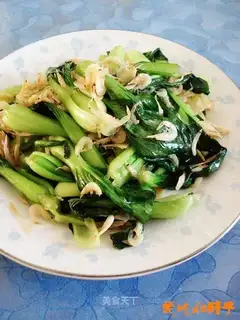 stir-fried shrimp skin with rapeseed