Many people love to eat meat and often do so, and high blood lipid levels are increasingly becoming a common household ailment. In reality, common ailments can be treated with common remedies. Many foods we regularly consume have the natural ability to prevent or treat high blood lipid levels. Today, let's look at a menu to see if any of your usual favorites are on the list.
If they are, congratulations! High blood lipid levels are far from you. If not, it's time to step up and eat more of these家常菜 (homestyle dishes) for your health.
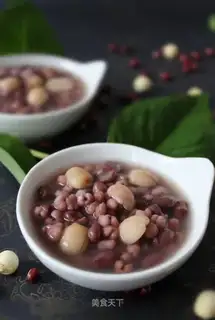
Job's Tears and Red Bean Congee
Job's Tears (Coix Seed)
Job's tears can lower blood lipids and blood sugar, promote metabolism, have a diuretic effect to effectively reduce edema, and are relatively low in calories, so you don't have to worry about gaining weight from eating them. Additionally, job's tears are rich in water-soluble fiber, which can improve constipation and clear accumulated toxins from the body.
Salmon
Salmon is rich in unsaturated fatty acids, which can lower triglyceride levels in the blood and increase high-density lipoprotein (HDL) cholesterol, thereby enhancing blood vessel elasticity. Among freshwater fish, carp is a highly recommended food for lowering lipids.
Garlic
Foods like garlic and ginger have always been top choices for cancer prevention. But besides this, garlic contains volatile pungent compounds that can clear fat accumulated in blood vessels and have a significant effect in lowering cholesterol.
Cauliflower
It is low in fat and high in dietary fiber, making it very suitable for people with high blood lipid levels. Furthermore, it contains various micronutrients that play a strong role in fighting cancer. It's worth noting that the vitamins in cauliflower are water-soluble. To avoid nutrient loss, the best cooking methods are: tear it by hand instead of cutting with a knife; avoid long stewing; instead, use high-heat stir-frying or steam it.
Carrots
Carrots contain a large amount of biological potassium. Once potassium enters the bloodstream, it can emulsify the fats in the blood and effectively dissolve "cholesterol hardening plaques" deposited on the artery walls, expelling these bodily wastes. This achieves the effects of lowering blood lipids, reducing blood viscosity, purifying the blood, "cleaning" the blood vessels, increasing vascular elasticity, and improving microcirculation.
Black Sesame and High-Fiber Oat Cookies
Oats
Oats contain extremely rich linoleic acid, accounting for 35%-52% of all unsaturated fatty acids. They are also rich in vitamin E and contain saponins. All of these have the effect of lowering plasma cholesterol concentration.
Peas
Legumes are all cheap, safe, and effective foods for lowering blood lipids. Eating just half a bowl of legumes at lunch every day can lower "bad cholesterol" levels by 20% within 8 weeks. Legume foods contain many effective components for lowering cholesterol, the most important of which are the soluble and insoluble fibers in legumes.
Edamame (Green Soybeans)
The fat content in edamame is significantly higher than in other vegetables, but it is mostly composed of unsaturated fatty acids, such as the essential linoleic acid and alpha-linolenic acid. These can improve fat metabolism and help lower triglycerides and cholesterol in the human body. Edamame also contains compounds that can clear fat from artery walls, thereby lowering blood lipid levels and cholesterol.
Mung Bean Sprouts
Mung beans themselves are a great food for lowering cholesterol. During the sprouting process, the vitamin C content can reach six to seven times that of the original mung bean. A large amount of vitamin C can promote cholesterol excretion and prevent it from depositing on the inner walls of arteries. The dietary fiber in mung bean sprouts helps remove waste from the body and can also bind with cholesterol in food, converting it into bile acid to be excreted, thereby lowering cholesterol levels.
Eggplant
Eggplant contains multiple vitamins, especially vitamin P, which is abundant in purple eggplant and can enhance cell adhesion and increase microvascular elasticity. Medical research shows that eggplant can lower cholesterol and prevent vascular damage caused by hyperlipidemia. It can also assist in treating conditions like hypertension, hyperlipidemia, and arteriosclerosis.
Are any of your frequently eaten foods on the list? Be sure to eat these foods regularly to keep high blood lipid levels at bay and achieve a healthy body. It all depends on these amazing foods.
 Porridge
 Soft flower toast