Ginseng is a renowned tonic for nourishing the body, and its long-term use is said to promote lightness and longevity. In daily life, many foods are comparable in efficacy to "ginseng," earning them names such as "animal ginseng," "water ginseng," "earth ginseng," "sea ginseng," and "tea ginseng." To savor these comparisons is a delightful experience.
Five-Spiced Quail Eggs
1. "Animal Ginseng": Squab, Quail, and Quail Eggs
Squab refers to a young pigeon from hatching to before breeding. As squabs grow by consuming pigeon milk, they are exceptionally nutritious and have long been known as "animal ginseng." The nutritional profile of squab is characterized by high protein, low fat, and is rich in minerals and various vitamins. It contains all the essential amino acids required by the human body and has a high rate of digestion and absorption.
The quail is a treasured wild edible bird known for its restorative properties. A common saying goes, "Of all flying game, quail is the first choice." Quail meat is not only delicious and tender but also beneficial for nourishing the five organs, strengthening muscles and bones, nourishing the liver and clearing the lungs, and providing overall nourishment and strength. Quail meat is high in protein, low in fat, and low in cholesterol. It contains multiple vitamins and minerals, and its health benefits surpass those of chicken, making it especially suitable for middle-aged and elderly individuals, as well as those with hypertension or obesity.
Quail eggs are rich in nutrients such as protein, cephalin, lecithin, lysine, cystine, calcium, phosphorus, and iron. They are known to replenish qi and blood, strengthen the body and brain, and enrich muscles and skin.
2. "Water Ginseng": Loach and Eel
Loach has tender flesh and a delicious flavor. Its nutritional content is significantly higher than that of carp, hairtail, lobster, and prawns. It is a health food that is high in protein, low in fat, and low in cholesterol. It also contains calcium, phosphorus, iron, and various vitamins. In Traditional Chinese Medicine, loach is believed to tonify the middle qi and expel dampness. In Japan, loach is honored as "water ginseng." Therefore, it is considered beneficial for patients with hypertension, diabetes, cardiovascular diseases, anemia, and hepatitis.
Eel has a sweet, warm nature and is non-toxic. It influences the liver, spleen, and kidney meridians, and is said to replenish qi and nourish blood, warm the yang and strengthen the spleen, nourish the liver and kidneys, and expel wind and unblock the collaterals. Its meat is delicious and nutritious, making eel a tasty and effective remedy for illness. Ancient texts state, "Eel is a superior delicacy, best in golden autumn." Hence, the common saying, "Golden autumn eel is as good as ginseng."
3. "Earth Ginseng": Radish
In folklore, the radish has long been called "little ginseng." Since ancient times, sayings like "A winter radish is as good as ginseng" and "Eating radish in winter is better than ginseng" have circulated, meaning that consuming radish in winter is highly beneficial to one's health. There is a popular health proverb: "Eat radish in winter and ginger in summer, and you won't need a doctor to write prescriptions." Radish indeed has significant medicinal value. According to ancient Chinese medical texts, radish can resolve food stagnation, transform phlegm-heat, promote the downward flow of qi, relax the chest, and detoxify. Modern research has also found that the various trace elements in radish can enhance the body's immunity. Furthermore, ginseng and radish can be consumed together without any conflict.
4. "Sea Ginseng": Sea Cucumber
Sea cucumber contains nutrients such as protein, fat, carbohydrates, various minerals, and vitamins. It has effects on tonifying the kidneys, moistening dryness, nourishing the blood, and replenishing the stomach. Regular consumption can also nourish yin, reduce fire, strengthen the kidneys and yang, improve intelligence, and supplement calcium.
5. "Tea Ginseng": Gynostemma Pentaphyllum
Gynostemma pentaphyllum is cool in nature, with a bitter and slightly sweet taste. Its tea infusion is yellow-green, sweet, and has a strong ginseng-like flavor. It is refreshing, palatable, and has a unique aroma. Gynostemma pentaphyllum not only has tonic effects similar to ginseng but also possesses functions that ginseng lacks, such as lowering lipids, blood pressure, and blood sugar, extending cell lifespan, and anti-aging. For the general population, drinking Gynostemma pentaphyllum tea can aid digestion, stimulate appetite, and help with sleep.
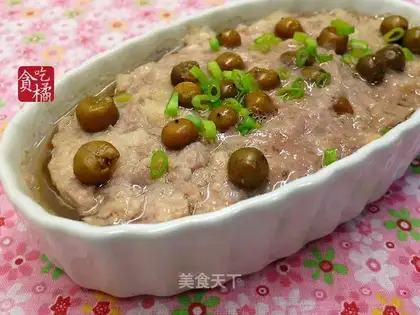 Trees and horses, meatloaf