Tea is one of the three most famous beverages in the world, known as the "Emperor of Eastern Beverages". The efficacy and functions of tea are numerous. Analysis shows that tea contains more than 400 components, including caffeine, tannin, tea polyphenols, protein, carbohydrates, free amino acids, chlorophyll, carotene, aromatic oil, enzymes, vitamin A precursor, vitamins B, C, E, P, as well as inorganic salts and trace elements. It can regulate physiological functions and exert various health care and pharmacological effects.
What are the benefits of drinking tea?
1. Helps to dissipate heat
On hot days, many people prefer to drink cold beverages to cool down, but drinking cold things can trap the heat inside, making it difficult to expel and leading to illness. If you want to quench your thirst, relieve summer heat, and dissipate heat properly in the summer, you should drink some hot tea to induce sweating, which will quickly expel the internal heat.
2. Sun protection
Green tea contains a component called catechin, which has strong antioxidant effects. Extracting catechins from green tea to make skincare products and applying them to the skin can help the skin resist damage from sun exposure. Of course, drinking green tea directly also has a sun-protective effect.
3. Stops diarrhea
Tea can be paired with garlic cloves to help stop diarrhea. Garlic has detoxifying and anti-inflammatory properties, while tea water has a bacteriostatic effect, especially in inhibiting harmful bacteria in the intestines. Combining tea and garlic can effectively stop diarrhea.
4. Sterilization
Drinking green tea daily can reduce the incidence of gastric ulcers because green tea contains catechins, which can effectively inhibit *Helicobacter pylori*, helping to prevent gastric and duodenal ulcers.
Drinking tea has many benefits, but you should choose the right type of tea based on your constitution
When drinking herbal teas, it is also necessary to pay attention to your physical condition. Each herbal tea has specific effects, so when choosing, on one hand, you need to understand your own constitution. For example, people with a "heat" constitution should choose "cool" natured herbs, while those with a "deficiency-cold" constitution are suitable for "warm" natured herbs, and most people can use herbs with a "neutral" nature. On the other hand, if you are taking medication, you should be more cautious when choosing herbal teas. For example, patients taking antihypertensive medication should monitor their blood pressure if they also drink cassia seed tea to prevent excessive blood pressure reduction. Only by selecting the right herbal tea based on your physical condition can you achieve health benefits while enjoying it.
Herbal teas are actually like traditional Chinese medicine; they should be tailored to the individual and not a one-size-fits-all solution. Finding the herbal tea that suits you is the only way to achieve the goals of strengthening the body and improving beauty and complexion. This requires understanding the properties, effects, and contraindicated groups of common herbs used in teas. With this mini "pharmacopoeia," you can become an expert in herbal teas.
Red Jujube and Chrysanthemum Fried Barley Tea
Five recommended warming and health-preserving teas for winter
Black Bean Tea
Black beans can fight aging. The *Compendium of Materia Medica* records that black beans are very effective in delaying aging and treating lumbar and knee pain. Additionally, women who wish to nourish the kidneys and darken their hair can drink this tea frequently. The nutritional value of black beans is on par with soybeans, but its medicinal value is higher. Drinking this tea during the late stages of menstruation or when menstrual flow is light can help nourish a weak body. This invigorating and blood-nourishing tea is difficult to digest, so people with poor digestion, high uric acid, or gout should not consume it excessively.
Red Date Tea
Red dates have the effect of enhancing physical strength and strengthening muscles. They contain adenosine cyclic phosphate, which can dilate the coronary arteries and enhance myocardial contraction. They also contain components such as hawthorn acid, which have anti-cancer effects. Red dates contain sugars, organic acids, proteins, and vitamins A, B, and C. They are neutral in nature, sweet and mellow in taste, and can tonify the spleen and stomach, making them suitable for a weak spleen and stomach. Red dates are high in sugar and generate a lot of heat, so they are especially suitable for consumption in winter.
Goji Berry Tea
Goji berry tea has effects such as relieving fever, treating diabetes, and relieving coughs and reducing phlegm. Additionally, goji berry tea is also effective in treating various conditions such as a deficient and cold constitution, cold sensation, strengthening the stomach, liver and kidney diseases, tuberculosis, constipation, insomnia, low blood pressure, anemia, various eye diseases, hair loss, stomatitis, and skin care. The medicinal effects of goji berry tea are very extensive, and long-term consumption of goji berries or drinking goji berry tea does not have any side effects.
Tremella Tea
Tremella is a product that nourishes both Yin and Yang. Its nature is mild, so it can be used for nourishment by the elderly, the weak, women, children, and those recovering from serious illnesses without worrying about the body being unable to accept the nourishment. Tremella is good for moistening the lungs and nourishing Yin and can be used for dry cough and asthma, bronchitis, and autumn dryness with chapped lips and skin. This health-preserving tea helps to moisten the lungs and has the effect of resolving phlegm and stopping coughs.
Osmanthus Tea
According to Traditional Chinese Medicine, osmanthus has significant medicinal value. The ancients said that osmanthus is the "leader of a hundred medicines," so wine made from osmanthus can achieve the effect of "drinking it grants a thousand years of life". Osmanthus is warm in nature, pungent in taste, and affects the lung and large intestine meridians. When taken as a decoction, an infusion, or in wine, it has the effects of warming the middle jiao to dispel cold, warming the stomach to relieve pain, and resolving phlegm and stasis. It is effective for poor appetite, phlegm-retention and coughing, hemorrhoids, dysentery, and amenorrhea with abdominal pain. Many patients with stomach problems experience a cold, painful sensation in winter. At this time, drinking some osmanthus tea can effectively relieve these symptoms.
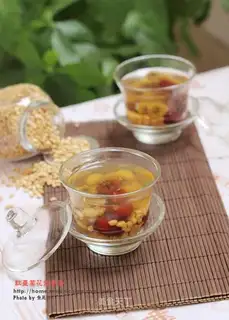 Fried Wheat Tea with Red Dates and Chrysanthemum