Winter is the season for nourishment, and many people choose to supplement their body's nutrition during this time. Today, the editor would like to remind everyone that when you're nourishing your body, you must not forget the delicious taro, which is very beneficial for your health!
Taro Cake
Taro can be made into dumplings, dishes, and snacks.
When people in northern China eat taro, they generally "boil the taro and mix it with sugar," while the culinary skills of the Fujian people are much more impressive. Their most common creation is taro dumplings. After steaming the taro, peel it while it's hot and mash it. Then, add sweet potato starch and flour, knead it into a dough, and set it aside. The ratio of taro to sweet potato starch is approximately 2:1. For the dumpling filling, ingredients like lean pork, shiitake mushrooms, dried small shrimp, scallions, and cilantro are chopped, then seasoned with sesame oil, egg liquid, cooking wine, salt, and monosodium glutamate, and finally steamed in a steamer.
Don't think it's as simple as just "changing the skin." The magic lies in the fact that the wrapper made from taro is very "sturdy" and watertight, which prevents the filling from leaking out. The fragrant meat filling combined with the glutinous taro is incredibly delicious, and it leaves no greasy feeling after eating.
Not only that, but people in Fujian also "mix and match" taro with vegetables. The most famous dishes include "Red Carp Hidden in Mud," "Chrysanthemum Taro," and "Frost-Coated Taro." Because taro cooks easily, when paired with ingredients like carp and chrysanthemums, the flavor is very light and refreshing. On the streets, snacks like taro buns, taro shreds pancakes, and taro cakes are everywhere. Taro is also used as a high-quality ingredient for ice cream and premium pastries. In the eyes of Fuzhou people, taro is a "medicinal vegetable" that people of all ages cannot live without.
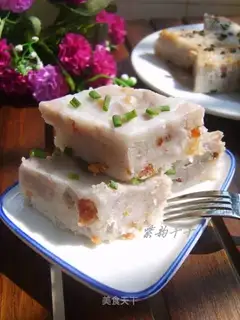 Tacocake