Vegetables contain a large amount of antioxidant components such as vitamins A, C, and E, as well as essential nutrients for the human body such as iron, zinc, calcium, and magnesium. However, if consumed improperly, they can be harmful to the body.
Green Tomatoes
Unripe tomatoes contain a toxic substance called solanine, which causes a bitter sensation in the mouth after consumption, leading to symptoms such as nausea, vomiting, dizziness, and salivation.
Rotten Ginger
Rotten ginger produces a highly toxic substance called safrole, which can cause poisoning and degeneration of liver cells, damaging liver function after consumption.
Vegetables Stored for Too Long
Some vegetables, such as spinach, lettuce, and radishes, contain nitrates. If stored for too long, they will rot and decay, reducing the nitrates into nitrites, which can cause symptoms such as headache, abdominal pain, diarrhea, and vomiting.
Bitter Melon with Bitter Seeds
Because it contains a lot of momordicoside, consumption can cause poisoning symptoms such as dizziness and abdominal pain.
Old Pumpkin
Its pulp contains a high amount of sugar and undergoes anaerobic fermentation, producing alcohol, which changes the nature of the pumpkin and can easily cause poisoning after consumption. It is best to remove all the pulp and check for any alcoholic smell before eating.
Insufficiently Pickled Sauerkraut
When pickling sauerkraut, if the amount of salt is insufficient, some bacteria are not inhibited, and the nitrates in the vegetables are converted into harmful nitrites. This chemical change usually peaks about a week after pickling. If consumed at this time, acute nitrite poisoning may occur.
Diseased Sweet Potatoes
Improperly stored sweet potatoes, especially at bruised or broken areas, can become diseased due to the action of black spot bacteria. If accidentally eaten and poisoned, mild cases may experience nausea, vomiting, abdominal pain, and diarrhea, while severe cases may have symptoms such as fever, difficulty breathing, muscle tremors, dilated pupils, and even death.
Fresh Daylilies
They contain a non-toxic substance called colchicine, which is converted into the toxic colchicine dioxide after being absorbed by the human body, causing nausea, vomiting, abdominal pain, and in severe cases, bloody stools and urine.
Undercooked Kidney Beans
They contain two toxins: lectin and hemolysin. After consumption, symptoms such as headache, dizziness, nausea, vomiting, and diarrhea may occur.
In winter vegetables, spinach ranks first
The dry climate in winter is a high-incidence period for constipation and hemorrhoids, and spinach, rich in dietary fiber, is the most suitable vegetable choice. Because spinach contains a large amount of iron, it can improve iron-deficiency anemia and make the complexion rosy, so it is also praised as a beauty product. At the end of the year, many office workers start to work overtime at night. The lutein in spinach has an important protective effect on the macula in the retina.
 Cold balsam pear
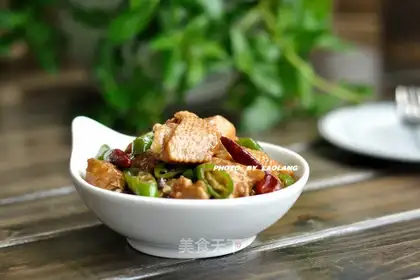 Chicken
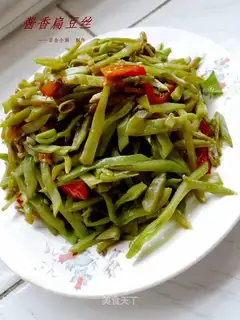 Soy lentils