In winter, people's enthusiasm for "hotpot" begins to rise day and night. However, within the delicious hotpot lie numerous traps. If you're not careful, you can easily fall into them and suffer the consequences.
Trap 1: Numbing, Spicy, and Scalding
There's a saying about hotpot: "One scald is worth three fresh [flavors]," as if the taste would be greatly diminished without it. However, He Fengyi, a dietitian from the Clinical Nutrition Department of Sun Yat-sen Memorial Hospital, explains that the oral cavity, esophagus, and stomach lining can generally only tolerate temperatures of 50°C-60°C, while hotpot broth can reach up to 120°C. Eating food as soon as it's cooked from the pot can easily scald the oral, esophageal, and gastric mucosa. Coupled with the stimulation of numbing and spicy flavors, it can easily cause or induce various digestive organ inflammations and ulcers.
Experts advise: Forgo the "three fresh" for the sake of avoiding the scald. It's best to take food out of the pot and let it cool slightly in a small dish before eating. Those with pre-existing digestive tract conditions should opt for a light hotpot with less oil and minimal numbing and spicy flavors.
Trap 2: Fresh and Tender
The taste of undercooked food is particularly fresh and tender, which is one of the reasons people love hotpot. However, if you solely crave this tenderness and eat food before it's fully cooked, not only will it affect the digestion and absorption of nutrients, but it may also cause gastrointestinal infections from the bacteria and parasites that haven't been killed. Experts warn against eating semi-cooked food. It's better to sacrifice some texture and ensure meat is thoroughly cooked. Of course, if food is boiled in the hotpot for too long, its nutritional value will also be destroyed. This is especially true for vegetables, as boiling them for extended periods causes significant vitamin loss. Generally, they can be eaten once they become soft.
Spicy Chicken Hotpot with Fresh Chicken Broth
Trap 3: "Nutritious" Broth
Many believe that hotpot broth is a精华 (essence) of various foods, delicious and nutritious. The reality is quite the opposite. He Fengyi told a reporter from the Express News that in repeatedly boiled hotpot broth, most beneficial components like vitamins have been destroyed, while harmful components such as saturated fats, sodium, and purines are particularly abundant. These ingredients are all risk factors for various chronic diseases like obesity and diabetes. It is not uncommon in clinical practice to see patients with acute gout attacks triggered by eating hotpot. This is because hotpot food is mostly meat, and protein breakdown produces a large amount of purines. Excessive purine intake is the cause of acute gout attacks. Drinking beer at the same time is like adding fuel to the fire, as beer is also high in purines.
Experts advise: Drink less hotpot broth. When a hotpot broth has been simmering for more than 60 minutes, its nitrite content rises rapidly. If you want to taste the broth's umami, drink it shortly after the pot starts boiling. Do not wait until it has been cooking for a long time, and drink it in moderation. Patients with hyperuricemia and a history of gout should avoid hotpot or focus on low-purine foods like fruits and vegetables, while abstaining from alcohol.
Trap 4: "Protracted War"
Hotpot meals can last for several hours and are primarily high-fat meats. The gastrointestinal tract must continuously secrete digestive juices. Over a long period, this can lead to digestive dysfunction and may also result in excessive intake of protein and fat, triggering various "rich man's diseases." Experts advise: Keep it under 2 hours. Don't have hotpot more than once a week, as eating too much can easily lead to "heatiness" (a concept in Traditional Chinese Medicine). Also, avoid a "protracted war"; it's best to keep the meal under 2 hours. Furthermore, people often eat meat and then forget about staple foods and vegetables, leading to an unbalanced nutritional structure. Therefore, while enjoying the delicious food, remember to pair it with staples, vegetables, meats, and beans. If you're going to eat, eat a "healthy hotpot."
How to Eat Hotpot to Prevent "Heatiness"
Are there ways to eat hotpot that are both delicious and prevent "heatiness"? Nutrition experts suggest that when choosing hotpot ingredients, freshness is the most important factor, whether it's meat or vegetables. Besides meats like fatty beef, lamb, dog meat, and squid, you can add more "cooling" vegetables like winter melon, bok choy, watercress, and lotus root. Those who enjoy a bitter taste can also add some bitter melon. Adding lotus seeds (with the cores removed) to the broth not only helps with nutritional balance but also has a heart-clearing and fire-reducing effect. Adding tofu can supplement the intake of various trace elements and also leverage the gypsum in tofu to clear heat, reduce fire, relieve irritability, and quench thirst.
However, since hotpot involves eating many foods at once, proper pairing is essential for health. If tofu is added to the broth, do not add spinach to prevent kidney stones. If you eat radish, avoid eating mushrooms to prevent dermatitis and other issues.
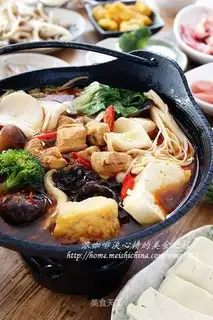 Chicken soup, hot chicken pot