As is well known, many cooking methods, such as pan-frying, stir-frying, and deep-frying, not only cause the loss of nutrients in food but may also produce carcinogens. For everyone's health, nutrition experts recommend using the steaming method more often, which can better preserve the nutrients in food and also aligns with the principle of a light diet. However, there are also tips to making delicious steamed dishes!
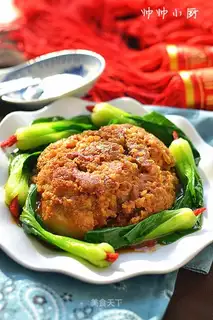
Steamed Pork with Rice Flour
"Steaming" is a cooking method where ingredients are placed in a vessel and heated by steam to cook or tenderize them with pre-seasoned flavors. Its characteristic is that it maintains the original shape, juice, and flavor of the dish. Compared to cooking methods like stir-frying, deep-frying, and pan-frying, steamed dishes contain less fat and can largely preserve various nutrients, making them more in line with the requirements of a healthy diet.
Unlike stir-frying, steaming does not involve high temperatures. The boiling point of water in steamed dishes is only 100°C, so nutrients can be better preserved. Studies have shown that steamed dishes contain significantly higher levels of polyphenol nutrients, such as flavonoids like quercetin, compared to other cooking methods.
Moreover, steamed food is easier to digest than foods cooked by other methods, making it very suitable for people with poor digestion.
However, there are also tips when making steamed dishes!
1. Use fresh ingredients: Because the protein in ingredients does not easily dissolve in water during steaming, and seasonings do not easily penetrate the ingredients, the food texture must be tender and juicy. Things that are dry and hard, like beef tendon, are not suitable for steaming.
2. Marinate before steaming: The marinating time should be long, and strongly spicy seasonings should not be used, as they will suppress the natural umami of the ingredients. Alternatively, a thickened sauce can be added after steaming. The sauce should be properly seasoned, not too thick.
3. Steam with boiling water: Use high heat and rapid steaming with boiling water, which is suitable for tender ingredients such as fish and vegetables, for about 15 minutes. For ingredients with a coarse texture that require being tender and soft, use high heat and long-term steaming with boiling water, such as crispy duck and steamed pork with rice flour. For dishes with very fresh and tender ingredients, such as eggs, use medium or low heat for slow steaming.
 Dust
Dust