Because winter temperatures are relatively low, the weather is cold and the ground is frozen, with a heavy Yin energy, winter is therefore a good time for nourishment. Food therapy is a method to strengthen the body, and soups are particularly favored in this practice. Drinking soup in winter can aid digestion, promote health, and boost immunity. However, there are rules to drinking soup in winter; it's not suitable for everyone at all times. Let's now detail what these rules are for drinking soup in winter?
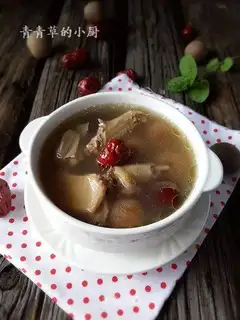
Longan, American Ginseng, and Pigeon Soup
Misconception 1: Only drinking the soup and not eating the meat
Most people believe that all the nutrients are concentrated in the soup, so after the soup is simmered, one should only drink the broth and disregard the meat and Chinese herbs inside. In fact, this is a big mistake. Nutritionists have discovered in recent years that no matter how long the soup is simmered, the nutrients in the meat cannot be completely dissolved into the broth. Therefore, you should still eat a moderate amount of meat after drinking the soup. Additionally, the taste of Chinese herbs can be quite strange and hard to accept, so most people tend to ignore them. However, some are valuable and nutritious, so they should be consumed.
Misconception 2: The longer you simmer ginseng soup, the better
The usual habit of the elderly is to add ginseng to the soup early on and simmer it for 2-3 hours, believing this is the only way to dissolve all the nutrients of the ginseng into the soup. In fact, ginseng contains a compound called ginsenoside, which will break down and lose its nutritional value if cooked for too long. Therefore, the best time to simmer ginseng soup is about 40 minutes.
Countryside Pork Rib Soup
Rule 1 for drinking soup: Drinking soup before a meal is better than any good prescription
When we eat, food travels from the mouth, throat, esophagus, and finally to the stomach, much like passing through a channel. Drinking a few sips of soup before a meal is like adding a "lubricant" to this channel, allowing food to pass smoothly and preventing dry, hard food from irritating the digestive tract mucosa. During the meal, occasionally having some soup also helps to dilute and mix the food, which is beneficial for the stomach and intestines to digest and absorb it. If you don't drink soup before or during the meal, a large amount of gastric juice will be secreted afterward, causing excessive loss of body fluid and thirst. Drinking water at this point will actually dilute the gastric juice, affecting the absorption and digestion of food.
Rule 2 for drinking soup: Drink soup before eating
Therefore, nutritionists believe that developing the habit of having some soup before and during meals can also reduce the occurrence of esophagitis and gastritis. Experts' research has also found that those who frequently drink various soups, milk, and soy milk are most likely to maintain a healthy digestive system. Of course, drinking soup before a meal doesn't mean the more the better. Generally, half a bowl of soup is appropriate before lunch and dinner, while you can have a bit more before breakfast, as the body loses more moisture after a night's sleep. The best time to have soup is about 20 minutes before the meal. You can also have small amounts of soup slowly during the meal, but avoid "guzzling" it.
The above are the rules and misconceptions about drinking soup in winter. Do you often make these mistakes in your daily life? In fact, dietary therapy should be done in moderation; otherwise, it will not be effective. It is also advisable to drink soup 2-3 times a week. Therefore, we should pay attention to the health benefits of drinking soup in winter.
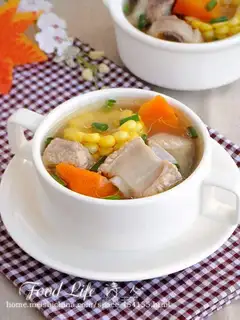 Field ribs soup
 Chong
Chong